








Comprehensive Summarization:
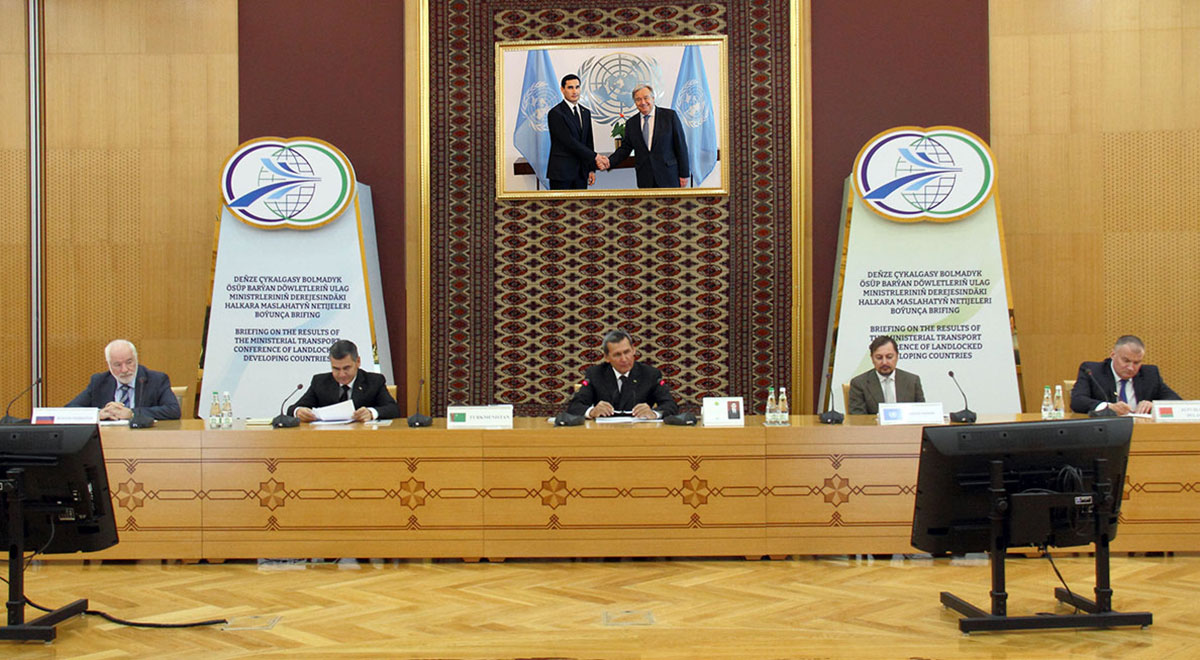
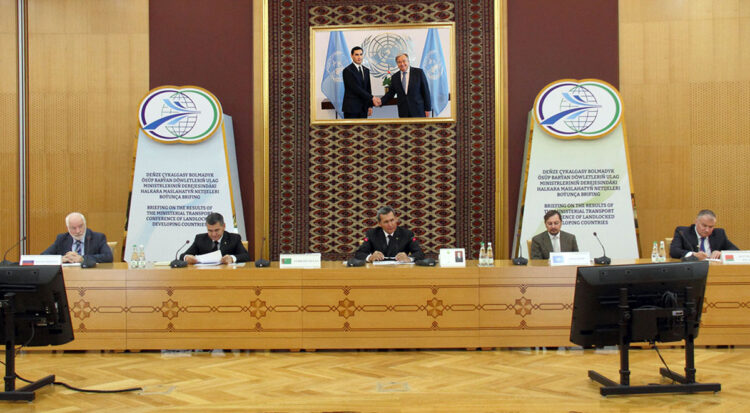
The International Conference of Ministers of Transport of Landlocked Countries concluded on August 19 at the Ministry of Foreign Affairs of Turkmenistan. The event brought together heads of diplomatic missions, representatives of international organizations, foreign journalists, and leaders from national media. Turkmenistan’s Vice Prime Minister and Minister of Foreign Affairs, Rashid Meredov, highlighted the conference’s high international significance, emphasizing that transport development is a key condition for stable regional development. The article also references the latest travel trends and insights from thought leaders, although specific details are not provided within the given text.
Key Points:
- The International Conference of Ministers of Transport of Landlocked Countries took place on August 19 in Turkmenistan.
- Participants included diplomatic missions, international organization representatives, foreign journalists, and national media leaders.
- Turkmenistan’s Vice Prime Minister, Rashid Meredov, underscored the conference’s importance, stressing transport development as a key condition for stable regional development.
- The article mentions the need for real-time fact-checking and structured output format, though these are not directly related to the content of the conference.
Actionable Takeaways:
-
Transport Development as a Key Condition for Stability: The conference’s emphasis on transport development as a critical factor for stable regional development suggests that policymakers and stakeholders should prioritize investments in transport infrastructure. This focus could lead to improved connectivity, economic growth, and regional stability in landlocked countries.
-
Importance of Diplomatic and International Cooperation: The involvement of diplomatic missions, international organizations, and foreign journalists highlights the importance of international cooperation in addressing transport challenges. Countries can benefit from collaborative efforts, sharing best practices, and leveraging resources to enhance their transport systems.
Contextual Insights:
The conference reflects ongoing global efforts to enhance transport infrastructure in landlocked countries, a critical issue given the challenges these nations face in terms of trade and economic development. The emphasis on transport development aligns with broader industry trends focusing on connectivity and economic integration. As the travel industry continues to evolve, innovations in transport technology and sustainable practices are likely to gain prominence. Thought leaders suggest that investments in smart transportation solutions, such as digital platforms for logistics and infrastructure upgrades, could drive future growth and competitiveness in the sector. These insights underscore the need for proactive measures to address transport challenges, ensuring that landlocked countries can fully participate in the global economy.
Read the Complete Article.






