






Sail Through Time: Discover the Timeless Wonders of Upper Egypt Aboard Kenzy Dahabeya
Experience the magic of the Nile aboard Kenzy Dahabeya, a luxury boutique sailing cruise that offers an unforgettable journey between...
Read moreDetails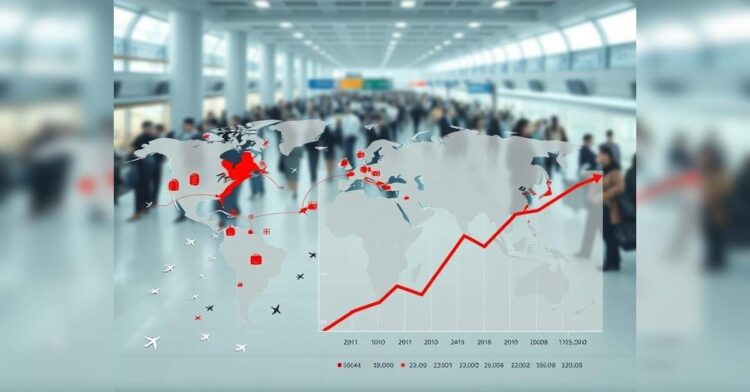
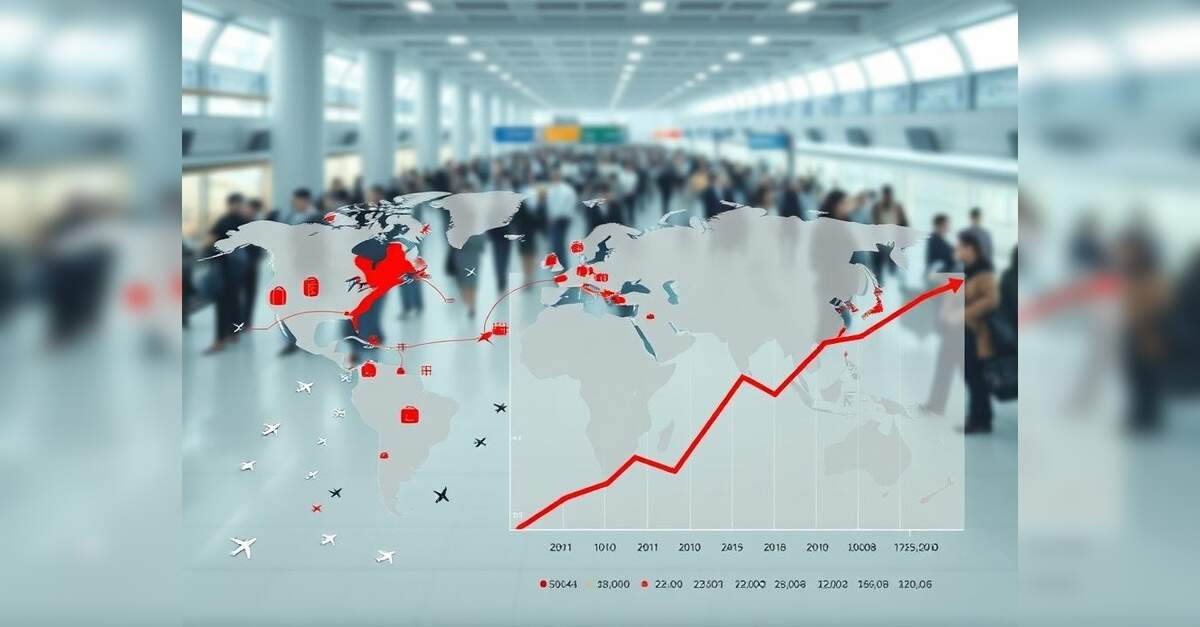
The Iran conflict significantly impacts global travel and tourism, causing disruptions and declining revenue worldwide.
Comprehensive Summarization:
The article discusses the significant impact of the escalating conflict in Iran on the global travel and tourism sector. According to the World Travel & Tourism Council (WTTC), the conflict is already costing the sector at least USD 600 million per day in international visitor spending. This decline is attributed to disruptions in air travel, reduced traveler confidence, and other related factors. The article emphasizes the need for the industry to adapt to these challenges, highlighting the importance of travel tech, innovations, and strategies to mitigate financial losses and maintain market resilience.
Key Points:
Actionable Takeaways:
Adopt Flexible Travel Policies: Airlines and travel agencies should implement flexible booking and cancellation policies to accommodate travelers’ changing preferences and reduce financial losses due to cancellations or delays caused by the conflict.
Invest in Digital Travel Solutions: Companies should invest in digital platforms and tools that enhance the travel booking and management experience, such as AI-driven travel assistants and virtual tour experiences.
Enhance Safety and Security Measures: Travel companies should prioritize the implementation of robust safety protocols and transparent communication regarding travel advisories and security measures.
Contextual Insights:
The conflict in Iran has underscored the vulnerabilities within the global travel and tourism sector, particularly in terms of geopolitical risks and their direct impact on economic stability. The article reflects a broader trend of increased volatility in travel due to political instability, which has prompted industry stakeholders to seek innovative solutions to mitigate risks. Recent trends indicate a growing reliance on technology to enhance safety, streamline operations, and provide seamless travel experiences. Thought leaders in the industry are advocating for a proactive approach to risk management, leveraging data analytics and AI to anticipate and respond to disruptions effectively. This context highlights the necessity for the travel sector to not only adapt to immediate challenges but also to innovate and build resilience against future uncertainties.
Read the Complete Article.
Experience the magic of the Nile aboard Kenzy Dahabeya, a luxury boutique sailing cruise that offers an unforgettable journey between...
Read moreDetails



