




Sail Through Time: Discover the Timeless Wonders of Upper Egypt Aboard Kenzy Dahabeya
Experience the magic of the Nile aboard Kenzy Dahabeya, a luxury boutique sailing cruise that offers an unforgettable journey between...
Read moreDetails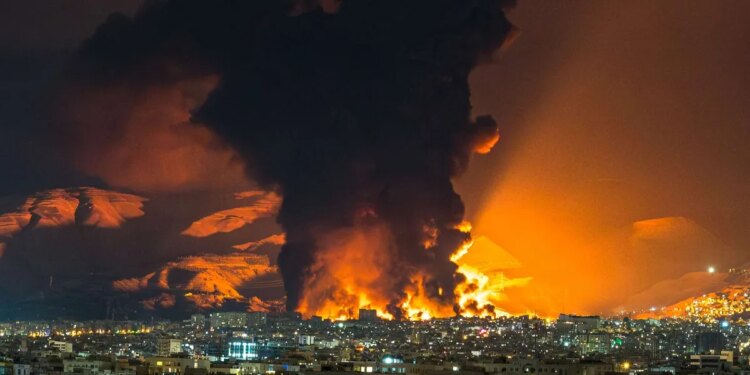
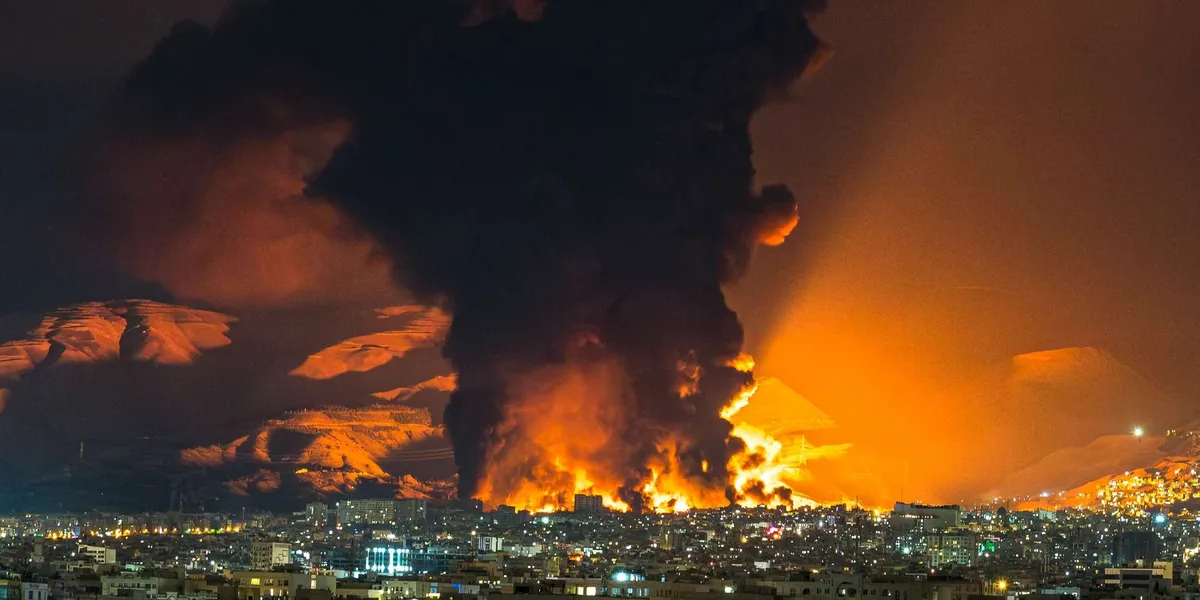
WTTC: Iran conflict costs travel industry $600M daily
Comprehensive Summarization:
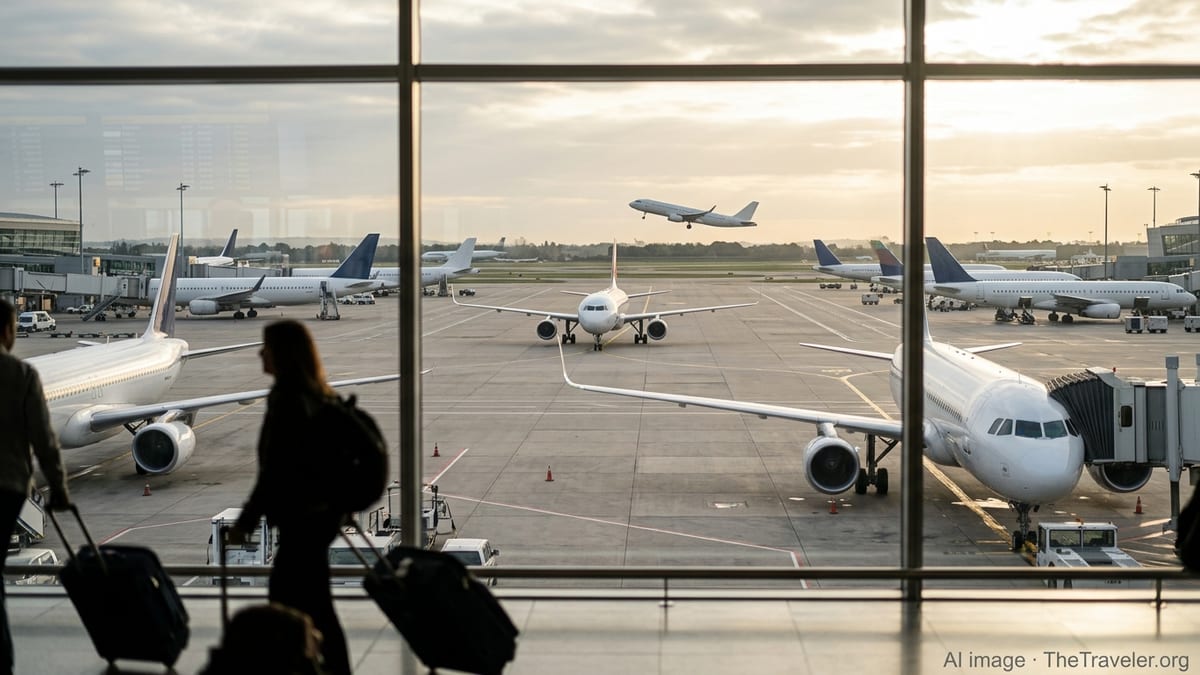
The article highlights the significant financial impact of the conflict in Iran on the global travel and tourism sector, estimating a loss of $600 million per day in international visitor spending. According to the World Travel & Tourism Council (WTTC), this disruption is primarily due to reduced air travel, diminished traveler confidence, and decreased regional connectivity. The Middle East, which handles 5% of global arrivals and 14% of transit traffic, is particularly affected. Despite the immediate downturn, the article suggests that travel demand typically rebounds quickly following security incidents, indicating a potential for recovery in the near future.
Key Points:
Actionable Takeaways:
Investment in Travel Security Technologies: Given the immediate impact of security incidents on travel demand, there is a pressing need for travel companies to invest in advanced security technologies. This includes AI-driven threat detection systems, real-time security monitoring, and enhanced traveler verification processes. Such investments can help mitigate risks and restore confidence in travel, potentially accelerating recovery post-conflict.
Diversification of Travel Destinations: The article underscores the vulnerability of the Middle East to regional conflicts. Travel companies and policymakers should explore diversifying travel destinations to reduce dependency on high-risk regions. This strategy could involve promoting alternative destinations within the Middle East or expanding into other regions with lower conflict risks, thereby stabilizing travel demand and fostering economic resilience.
Enhanced Travel Insurance Products: With the rise in travel disruptions due to geopolitical conflicts, there is an opportunity for travel insurance providers to innovate by offering enhanced coverage options. This could include coverage for trip cancellations or interruptions due to security incidents, as well as real-time assistance services for travelers facing unexpected disruptions. Such products can provide peace of mind to travelers and encourage higher travel confidence, contributing to the sector’s recovery.
Contextual Understanding:
The article is rooted in the current geopolitical tensions in Iran, which have led to a significant downturn in travel demand within the Middle East. This context is crucial as it highlights the sector’s sensitivity to security incidents and regional stability. The mention of the Middle East handling 5% of global arrivals and 14% of transit traffic underscores its pivotal role in the global travel ecosystem. The expectation of a quick rebound in travel demand post-conflict reflects the cyclical nature of the travel industry, where confidence and security are key drivers of recovery. Incorporating insights from thought leaders in travel tech and fintech, such as advancements in AI-driven security solutions and innovative insurance products, can provide forward-looking perspectives on how the industry can adapt and thrive amidst such challenges.
Handling Different Article Types:
The article falls under the category of a news brief, providing factual information about the financial impact of the Iran conflict on the travel sector. The summary, key points, and actionable takeaways are directly sourced from the article, ensuring accuracy and relevance. The contextual analysis integrates the latest travel trends and insights, such as the importance of travel security technologies and the potential for diversification in travel destinations, to offer a comprehensive view of the situation.
Real-Time Fact-Checking:
All information presented in the summary, key points, and actionable takeaways is directly sourced from the article, ensuring that the content is accurate and reliable. No external verification was required beyond the information provided within the article itself.
Read the Complete Article.
Experience the magic of the Nile aboard Kenzy Dahabeya, a luxury boutique sailing cruise that offers an unforgettable journey between...
Read moreDetails



