












Sail Through Time: Discover the Timeless Wonders of Upper Egypt Aboard Kenzy Dahabeya
Experience the magic of the Nile aboard Kenzy Dahabeya, a luxury boutique sailing cruise that offers an unforgettable journey between...
Read moreDetails
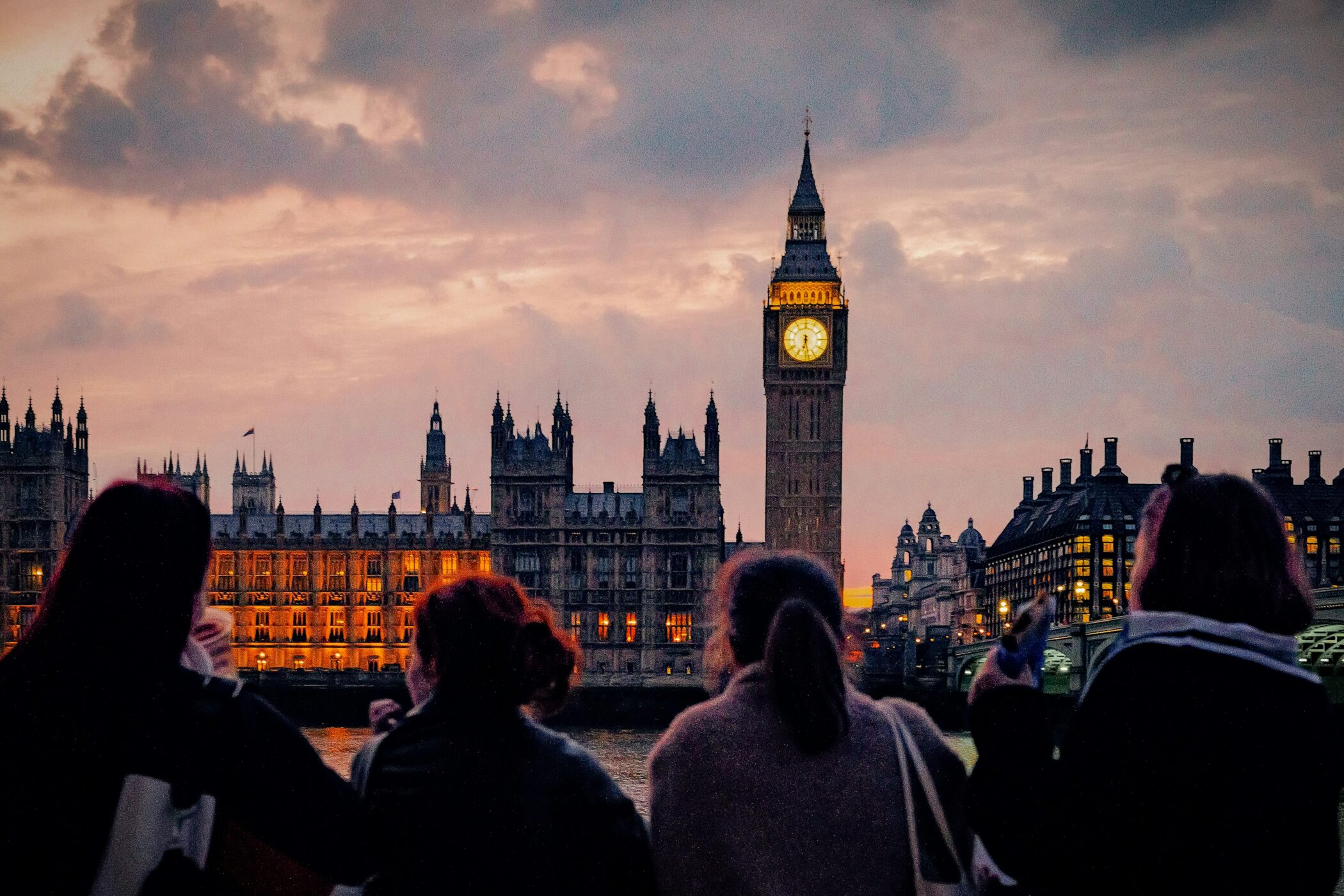
WTTC says new UK tourism levies would 'dent growth'
Comprehensive Summarization:
The World Travel & Tourism Council (WTTC) has cautioned against the introduction of overnight visitor levies in the UK, arguing that such levies could fragment policy, hinder job creation, and push tourists towards cheaper destinations. The council’s warning comes as the UK government consults on proposals to empower Mayoral Strategic Authorities with the authority to introduce these levies. This development is particularly significant in the context of the ongoing global travel industry recovery and the ongoing debate around sustainable tourism practices.
Key Points:
Actionable Takeaways:
Policy Fragmentation Risk: The introduction of overnight visitor levies could lead to policy fragmentation, which may complicate regulatory environments for tourism businesses. Relevance: This is crucial for tourism businesses operating in the UK, as it highlights the potential for increased operational complexity and regulatory challenges.
Impact on Job Creation: There is a risk that overnight visitor levies could reduce job creation in the tourism sector. Relevance: For stakeholders in the travel industry, this points to potential negative employment impacts, which could affect workforce planning and economic recovery strategies.
Shift Towards Cheaper Destinations: The warning that levies might push tourists towards cheaper destinations suggests a potential shift in travel patterns. Relevance: This insight is valuable for destination marketing and marketing strategies, as it underscores the importance of competitive pricing and value-added services to retain tourists.
Contextual Insights:
The proposal for overnight visitor levies reflects a broader trend in the travel industry towards sustainable and responsible tourism practices. As the sector recovers from the impacts of the COVID-19 pandemic, there is an increasing emphasis on balancing economic benefits with environmental and social sustainability. The WTTC’s caution against levies underscores the need for policymakers to consider the multifaceted impacts of such measures on both the tourism industry and local communities. Furthermore, the discussion aligns with current travel trends emphasizing the importance of destination differentiation and value-driven experiences to attract and retain tourists in a competitive global market. This context highlights the importance of innovative and sustainable tourism strategies that can enhance the resilience and attractiveness of destinations in the post-pandemic era.
Read the Complete Article.
Experience the magic of the Nile aboard Kenzy Dahabeya, a luxury boutique sailing cruise that offers an unforgettable journey between...
Read moreDetails



