












Comprehensive Summarization:
The article discusses the evolving landscape of the cruise industry in Europe, particularly in response to growing concerns around overtourism, environmental impact, and port congestion. Cruise lines are reevaluating their operations, moving away from high-volume itineraries towards smaller ships, longer stays, and curated routes. This shift aims to balance visitor demand with the needs of local communities, reflecting a broader trend in the travel industry towards more sustainable and community-focused tourism practices.
Key Points:
- Cruise lines are responding to concerns over overtourism and environmental impact by rethinking their operations.
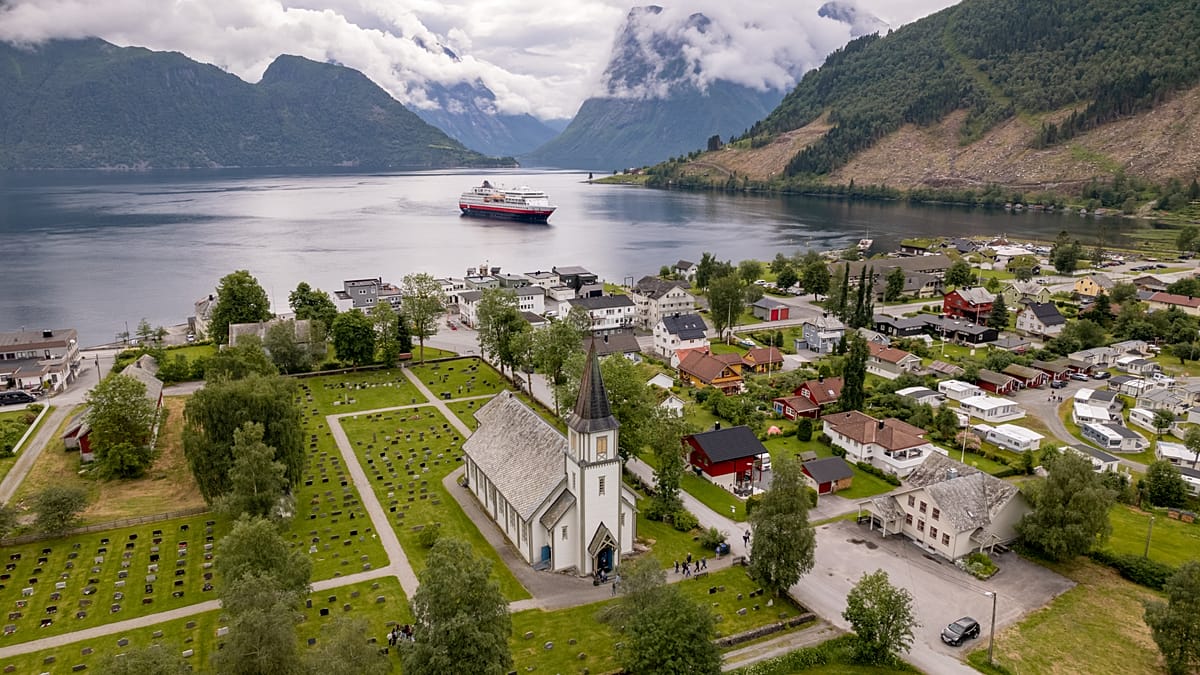
- The shift in the European cruise sector involves moving to smaller ships, longer stays, and curated routes.
- This change is aimed at balancing visitor demand with the needs of local communities, promoting more sustainable tourism practices.
Actionable Takeaways:
-
Adopt Smaller Ships and Longer Stays: Cruise lines should consider transitioning to smaller ships and offering longer stays to reduce environmental impact and minimize congestion in popular ports. This approach aligns with the industry’s push towards sustainability and community engagement, potentially enhancing the overall travel experience for passengers while reducing strain on local resources.
-
Curate Routes with Local Community Engagement: Developing curated routes that prioritize community needs and minimize environmental impact can help cruise lines mitigate the risks associated with overtourism. By focusing on destinations that offer unique cultural and environmental experiences, cruise lines can attract travelers seeking authentic and responsible travel options, thereby fostering positive relationships with local communities.
Contextual Insights:
The article’s focus on the cruise industry’s response to overtourism and environmental concerns highlights a broader trend in the travel sector towards sustainability and responsible tourism. As environmental awareness grows among consumers, there is an increasing demand for travel experiences that minimize ecological footprints and support local economies. Cruise lines that successfully adapt to these changing preferences by embracing smaller, more sustainable vessels and longer itineraries may gain a competitive edge in the market. Furthermore, the emphasis on curated routes that respect local communities underscores the importance of integrating travel with social and environmental stewardship, a concept increasingly championed by thought leaders in the travel industry. This shift not only addresses current challenges but also sets a precedent for future innovations in travel technology and practices, potentially influencing other sectors such as fintech and tourism startups to adopt similar sustainable practices.
Read the Complete Article.


