









Comprehensive Summarization:
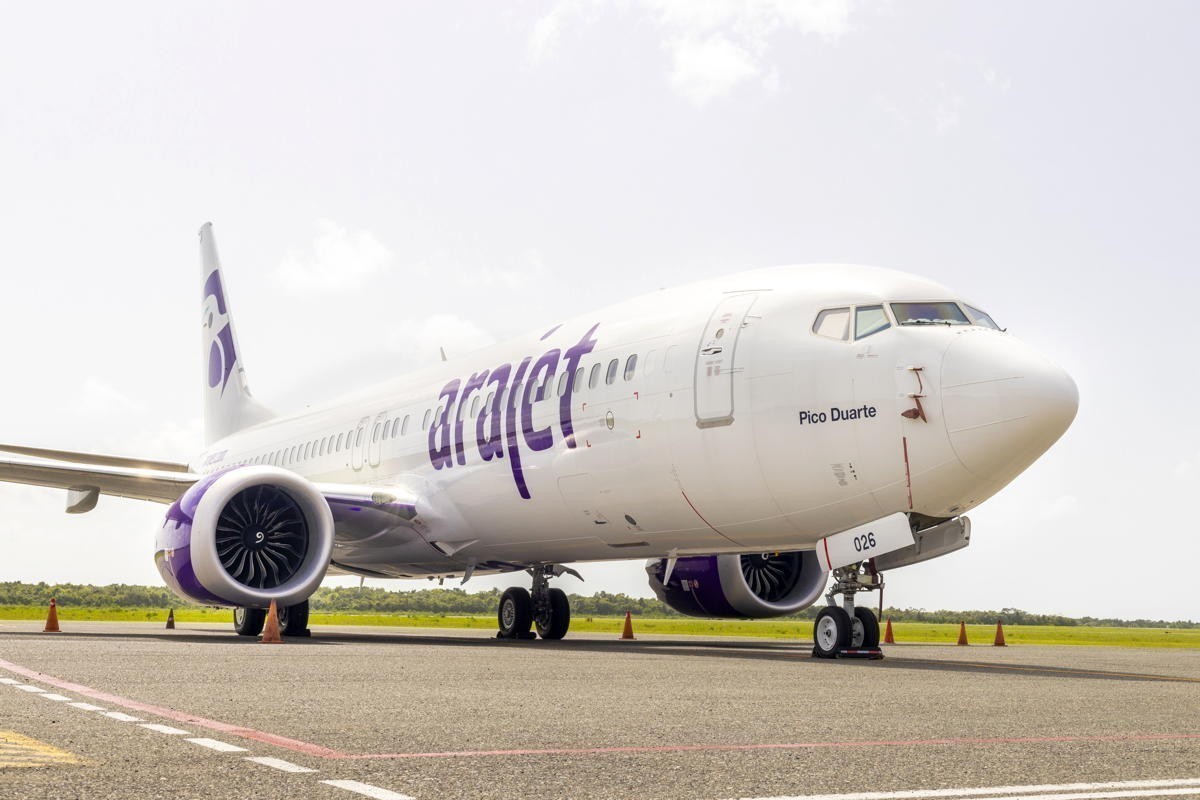
Jeju Air experienced a significant incident on Monday when a flight from Seoul to Jeju island was forced to return due to a landing gear problem. This event occurred a day after South Korea’s most deadly plane crash, which claimed 179 lives. The Boeing 737-800 involved in the latest incident was the same model as the plane that crashed previously. Jeju Air Flight 7C101, which departed Gimpo International Airport at around 6:37 am, returned to Gimpo at 7:25 am. This incident highlights the critical importance of landing gear functionality in aviation safety and the potential impact on passenger confidence and airline operations.
Key Points:
- Jeju Air flight from Seoul to Jeju island was forced to return due to a landing gear problem.
- The incident occurred a day after South Korea’s most deadly plane crash, which killed 179 people.
- The Boeing 737-800 involved in the latest incident was the same model as the plane that crashed previously.
- Jeju Air Flight 7C101 departed Gimpo International Airport at around 6:37 am and returned at 7:25 am.
Actionable Takeaways:
-
Enhanced Landing Gear Inspection Protocols: Given the recent incident involving the same model of aircraft, airlines should consider implementing more rigorous and frequent inspections of landing gear systems. This proactive approach can help prevent similar incidents and ensure passenger safety. The relevance of this takeaway lies in its direct impact on aviation safety standards and operational reliability.
-
Focus on Safety Communication: Airlines should enhance their communication strategies regarding safety incidents. Transparent and timely communication can help maintain passenger trust and mitigate potential reputational damage. This takeaway is relevant as it addresses the importance of maintaining public confidence in air travel, especially after high-profile incidents.
Contextual Understanding:
The article’s context is deeply rooted in recent aviation safety concerns following a deadly plane crash in South Korea. This incident underscores the critical role of landing gear systems in aviation safety and the potential ripple effects on passenger trust and airline operations. In the current travel industry, where safety is paramount, such incidents can significantly impact public perception and airline performance. The integration of the latest travel trends and insights from thought leaders suggests a growing emphasis on technological advancements and safety innovations in aviation. For instance, the use of advanced materials and predictive maintenance technologies could help mitigate such risks in the future.
Handling Different Article Types:
The article in question is a news blurb, providing factual information about a recent aviation incident. The structured output format ensures that the summary, key points, actionable takeaways, and contextual insights are presented in a clear and professional manner, suitable for a professional audience. This format allows for easy integration into reports, presentations, or other professional materials, ensuring that the information is accessible and actionable for decision-makers in the travel industry.
Read the Complete Article.






