
Travel Survey for Northern Ireland publishes 2024 data
THE NEWS: The Travel Survey for Northern Ireland (TSNI) 2024 report was published on 27 August 2026. DETAILS: The report provides data...
Read moreDetailsEvery alert that matters — when it happens.
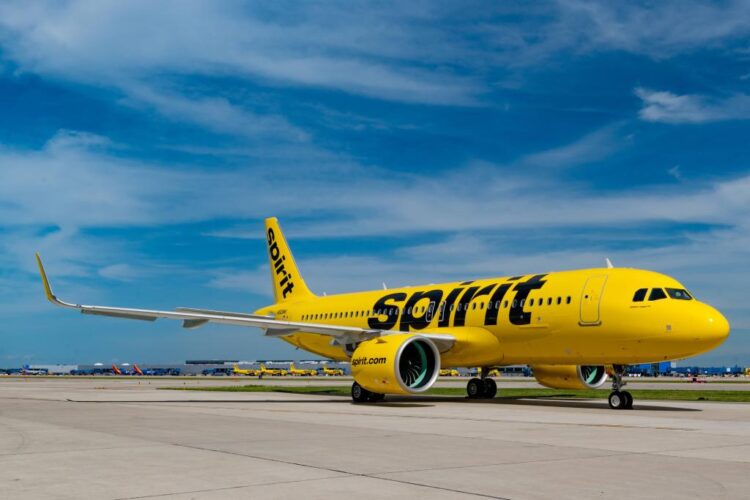
Analyst Perspective: Losing Spirit - what the collapse of a ULCC pioneer reveals about the US market
Comprehensive Summarization:
The article discusses the recent collapse of Spirit Airlines, a prominent ultra-low-cost carrier in the United States. This event marks the end of one of the most recognizable players in the ultra-low-cost model but should not be interpreted as a broader failure of this business model. Instead, it highlights the challenges and realities of operating within a highly competitive US domestic market. Spirit Airlines, over a decade ago, played a disruptive role by forcing incumbents to respond with lower fares and more granular pricing. Its unbundled approach, which separated the cost of flights from ancillary services, was a significant innovation in the travel industry.
Key Points:
Actionable Takeaways:
Adaptation of Low-Cost Models: The article suggests that while Spirit’s collapse is a significant event, it does not indicate the failure of the low-cost model. This implies that other airlines and startups in the travel industry should continue to explore and innovate within the low-cost model, adapting to competitive pressures and market conditions.
Focus on Disruption and Innovation: Spirit’s disruptive approach serves as a reminder for industry players to continuously innovate and differentiate their offerings. This could involve exploring new pricing strategies, service models, or technological advancements to stay competitive in a crowded market.
Market Structure and Competition: The article underscores the importance of understanding the competitive landscape and market structure. Airlines and startups should analyze how they can carve out a niche or differentiate themselves in a market dominated by ultra-low-cost carriers. This could involve focusing on specific routes, customer segments, or service enhancements.
Contextual Insights:
The collapse of Spirit Airlines within the context of the current travel industry reflects broader trends of increased competition and the need for continuous innovation. The rise of ultra-low-cost carriers has reshaped the travel landscape, making price sensitivity a key factor for consumers. However, the article also highlights that the low-cost model is not without its challenges, as evidenced by Spirit’s recent struggles. This context suggests that while the low-cost model remains viable, it requires ongoing adaptation to market dynamics, technological advancements, and changing consumer preferences.
In terms of forward-looking perspectives, the article aligns with current industry trends emphasizing the importance of technological integration and customer-centric service models. Startups and established airlines alike are encouraged to leverage technology to enhance operational efficiency, improve customer experience, and maintain competitive advantage. The insights provided in the article underscore the need for strategic innovation and adaptability in the face of evolving market conditions.
Read the Complete Article.
THE NEWS: The Travel Survey for Northern Ireland (TSNI) 2024 report was published on 27 August 2026. DETAILS: The report provides data...
Read moreDetails

Experience the magic of the Nile aboard Kenzy Dahabeya, a luxury boutique sailing cruise that offers an unforgettable journey between...
Read moreDetails