Mauricio Prieto Discusses Scarcity in Latest Piece Today
SOURCE CONTENT UNAVAILABLE Read Original Article.
Read moreDetailsEvery alert that matters — when it happens.
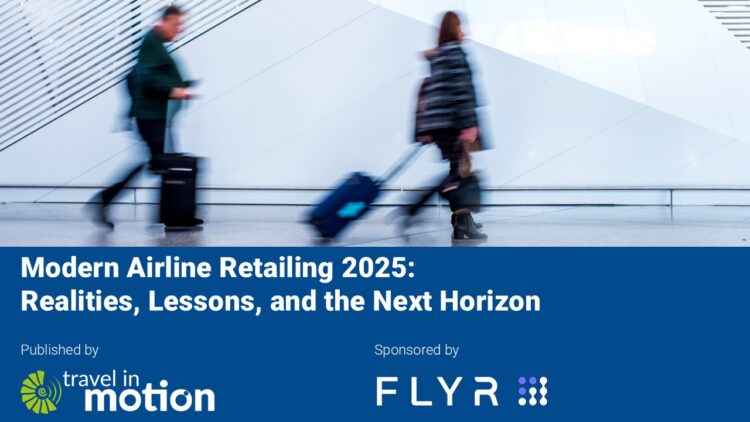
Our latest whitepaper “Modern Airline Retailing 2025: Realities, Lessons, and the Next Horizon”
Article Summary:
The article "White Paper: An Outlook into Airline Retailing in 2018" discusses the shift in airline travel distribution towards a more retail-focused approach in 2018. This change was driven by consumer demand, digitalization, and the retail market, rather than being a forced change by airlines. The article emphasizes that many airlines will rely on various industry entities to facilitate this transition. It also touches on the broader implications of this shift within the travel industry, highlighting the importance of adapting to changing consumer behaviors and technological advancements.
Key Points:
Consumer-Driven Change: The shift towards a retail-focused model in airline travel distribution was primarily driven by consumer demand, indicating a significant change in how airlines are perceived and interacted with by their customers.
Digitalization and Retail Market Influence: The article highlights that digitalization and the growth of the retail market have been key factors in prompting airlines to adopt a more retail-oriented business model. This suggests a broader industry trend towards integrating digital technologies and retail strategies into traditional travel services.
Collaboration with Industry Entities: Many airlines could not implement this change independently and required support from various industry entities. This points to a collaborative approach needed across the travel sector to successfully transition to a retail-focused model.
Actionable Takeaways:
Adopt Retail Strategies: Airlines should consider adopting retail strategies to better meet consumer demands. This could involve enhancing online booking experiences, offering personalized travel packages, and integrating seamless payment solutions. This shift is crucial for maintaining competitiveness in an increasingly digitalized travel market.
Collaborate with Industry Entities: Airlines should seek partnerships with industry entities to facilitate the transition to a retail-focused model. This could include collaborations with technology providers for digital solutions, retail experts for market insights, and fintech companies for innovative payment options. Such collaborations can help airlines navigate the complexities of this transition more effectively.
Contextual Insights:
The article’s focus on the shift towards a retail-focused model in airline travel distribution is deeply rooted in current industry trends. The rise of digitalization and the growing influence of the retail market have collectively reshaped consumer expectations and behaviors in the travel sector. Airlines that fail to adapt to these changes risk losing relevance in a market where consumers increasingly expect seamless, personalized, and digitally integrated travel experiences.
Moreover, the article’s emphasis on collaboration with industry entities highlights the interconnected nature of the travel sector. As airlines strive to adapt to new retail models, they must work closely with technology providers, retail experts, and fintech companies to leverage the latest innovations and best practices. This collaborative approach not only aids in the transition but also fosters innovation and competitiveness within the industry.
Looking forward, the insights from this article suggest that the travel industry will continue to evolve, with a growing emphasis on retail strategies and digital transformation. Airlines that proactively embrace these changes, guided by the actionable takeaways provided, will be better positioned to thrive in the dynamic and competitive landscape of modern travel retail.
Read the Complete Article.
SOURCE CONTENT UNAVAILABLE Read Original Article.
Read moreDetails

Experience the magic of the Nile aboard Kenzy Dahabeya, a luxury boutique sailing cruise that offers an unforgettable journey between...
Read moreDetails