






Sail Through Time: Discover the Timeless Wonders of Upper Egypt Aboard Kenzy Dahabeya
Experience the magic of the Nile aboard Kenzy Dahabeya, a luxury boutique sailing cruise that offers an unforgettable journey between...
Read moreDetails
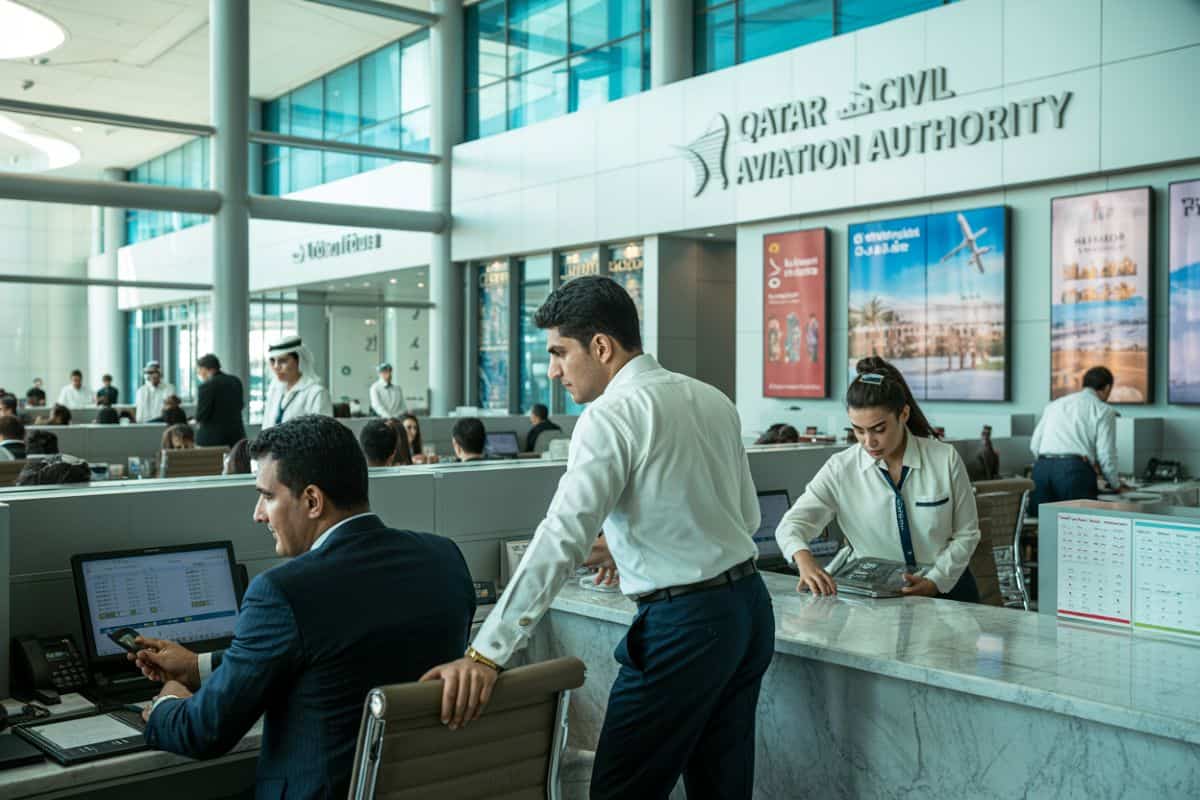
9 Ways AI Is Helping to Solve Aviation Challenges | Future of Travel
Artificial Intelligence (AI) is no longer a futuristic fantasy; it’s rapidly reshaping the aviation industry, offering solutions to long-standing challenges and paving the way for a more efficient and passenger-friendly experience. From optimizing flight operations to enhancing customer service, AI’s impact is already being felt across the board. This article explores nine key areas where AI is making a significant difference.
1. Route Optimization and Fuel Efficiency: AI algorithms analyze vast datasets, including weather patterns, air traffic, and aircraft performance, to determine the most efficient flight routes. This leads to significant fuel savings and reduced carbon emissions, contributing to a more sustainable aviation industry.
2. Predictive Maintenance: AI algorithms can predict when aircraft components are likely to fail, allowing for proactive maintenance and preventing costly downtime. This improves safety and reduces delays for passengers.
3. Enhanced Air Traffic Control: AI-powered systems can analyze real-time air traffic data to optimize flight paths and reduce congestion, leading to smoother and more efficient air traffic control. This translates to fewer delays and improved on-time performance.
4. Improved Security Screening: AI is used to enhance security screening processes by detecting suspicious items and behaviors more accurately than traditional methods. This increases safety and reduces the risk of security breaches.
5. Personalized Customer Service: AI-powered chatbots and virtual assistants are providing personalized customer service to passengers, answering questions, resolving issues, and providing real-time updates. This improves customer satisfaction and reduces the workload on human agents.
6. Optimized Baggage Handling: AI can improve baggage handling processes by tracking bags in real-time and optimizing routing, reducing the risk of lost or delayed luggage. This leads to a more seamless travel experience for passengers.
7. Revenue Management and Dynamic Pricing: AI algorithms analyze demand patterns and competitor pricing to optimize ticket prices, maximizing revenue for airlines. This helps airlines to remain competitive and profitable.
8. Crew Scheduling Optimization: AI is used to optimize crew scheduling, ensuring that flights are staffed with qualified personnel while minimizing costs and improving crew satisfaction. This helps airlines to operate more efficiently and effectively.
9. Airport Operations Efficiency: AI can optimize various airport operations, such as gate allocation and resource management, leading to improved efficiency and reduced delays. This contributes to a smoother and more pleasant experience for passengers.
AI is revolutionizing aviation, leading to safer, more efficient, and more customer-centric travel experiences. As AI technology continues to evolve, its impact on the industry will only grow, transforming the way we fly for years to come.
Key Points:
Read the Complete Article.
Experience the magic of the Nile aboard Kenzy Dahabeya, a luxury boutique sailing cruise that offers an unforgettable journey between...
Read moreDetails



