




Sail Through Time: Discover the Timeless Wonders of Upper Egypt Aboard Kenzy Dahabeya
Experience the magic of the Nile aboard Kenzy Dahabeya, a luxury boutique sailing cruise that offers an unforgettable journey between...
Read moreDetails
Comprehensive Summarization:
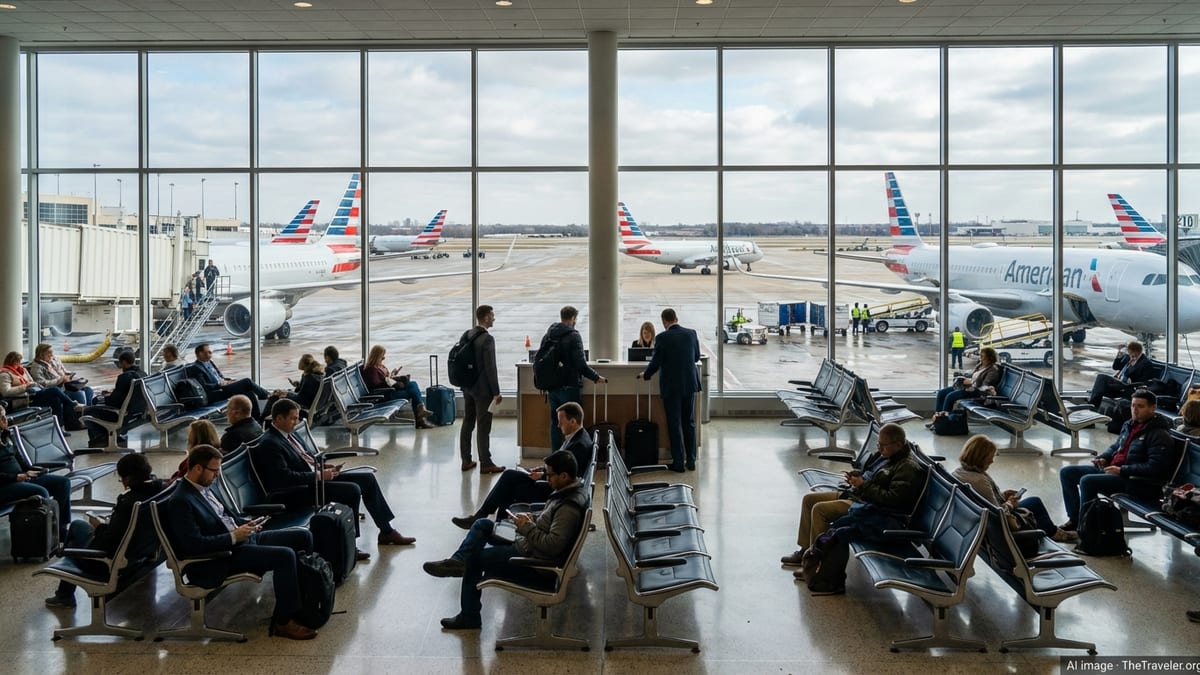
The article discusses the increasing influence of artificial intelligence (AI) agents in the travel industry, particularly through a protocol known as Model Context Protocol (MCP). As the Northeast experiences another blizzard, grounding flights and disrupting travel plans, the article highlights the industry’s struggle with fragmented systems for autonomous trip planning, booking, and servicing. While current travel tech operates through a patchwork of inventory pipes, payment rails, and servicing workflows, MCP represents a shift towards a more structured, coordinated approach. This development comes at a time when the industry is already experimenting with AI-driven solutions, signaling a potential transformation in how travel services are managed and delivered.
Key Points:
Rise of AI Agents in Travel: The article introduces Model Context Protocol (MCP) as a coordination layer for AI agents in travel, emphasizing its role in addressing the fragmented systems currently in place for autonomous trip planning, booking, and servicing.
Fragmented Travel Tech Infrastructure: Travel industry systems, including airlines, hotels, online travel agencies, and corporate travel systems, operate through fragmented stacks of inventory pipes, payment rails, and servicing workflows, creating inefficiencies and challenges.
Emergence of Generative AI: The first wave of generative AI has added conversational interfaces on top of existing travel tech complexity. However, MCP points to a more structural shift, suggesting a move towards a more integrated and efficient travel technology infrastructure.
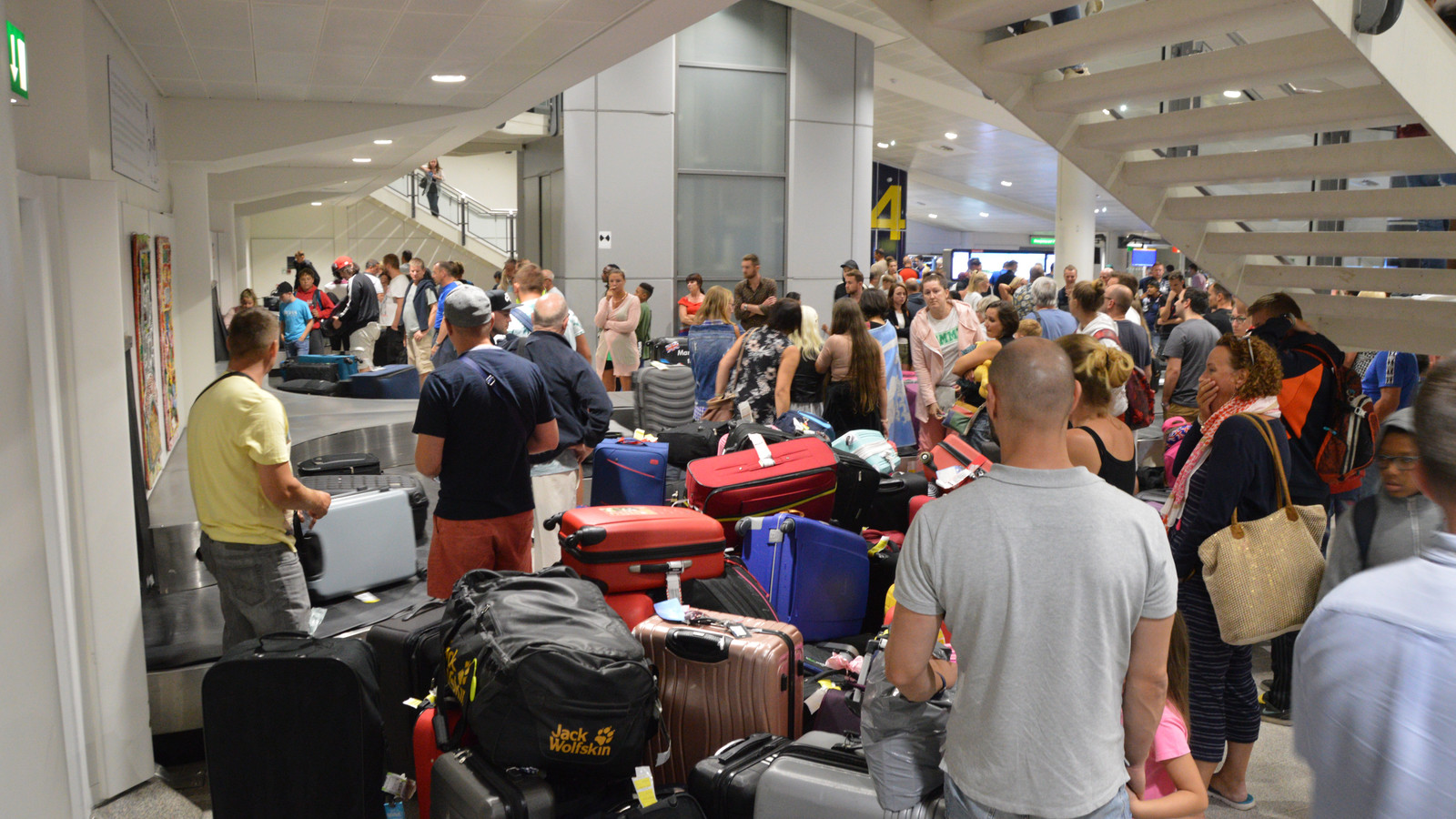
Current Industry Struggles: The blizzard serves as a backdrop to the article, illustrating the real-world impact of fragmented travel systems. As AI agents become more prevalent, the industry faces the challenge of integrating these technologies into existing fragmented infrastructures.
Actionable Takeaways:
Adopt Structured AI Coordination Protocols: Travel companies should explore and adopt structured AI coordination protocols like MCP to streamline operations and improve efficiency. This shift could lead to more seamless travel experiences and better management of complex travel itineraries, especially during disruptions like weather events.
Invest in Integrated Travel Tech Platforms: Given the fragmented nature of current travel tech infrastructure, investing in platforms that can integrate AI agents and provide a unified system for trip planning, booking, and servicing is crucial. This investment can help travel companies future-proof their operations against increasing AI integration and technological advancements.
Focus on Seamless Customer Experience: As AI agents become more sophisticated, travel companies should prioritize developing systems that offer seamless, personalized customer experiences. This includes leveraging AI for real-time adjustments to itineraries, personalized recommendations, and efficient handling of customer service inquiries, thereby enhancing customer satisfaction and loyalty.
Contextual Insights:
The article’s focus on the rise of AI agents and the need for a more structured infrastructure in the travel industry reflects a broader trend of technological integration across various sectors. The blizzard serves as a timely reminder of the vulnerabilities in fragmented travel systems, underscoring the urgency for innovation. As AI continues to advance, travel startups and fintech companies have an opportunity to develop solutions that enhance operational efficiency and customer experience. The emergence of protocols like MCP indicates a shift towards more sophisticated, integrated travel technologies, which could redefine the competitive landscape in the travel industry. Forward-thinking travel companies that embrace these changes are likely to gain a significant advantage in an increasingly competitive market.
Read the Complete Article.
Experience the magic of the Nile aboard Kenzy Dahabeya, a luxury boutique sailing cruise that offers an unforgettable journey between...
Read moreDetails



