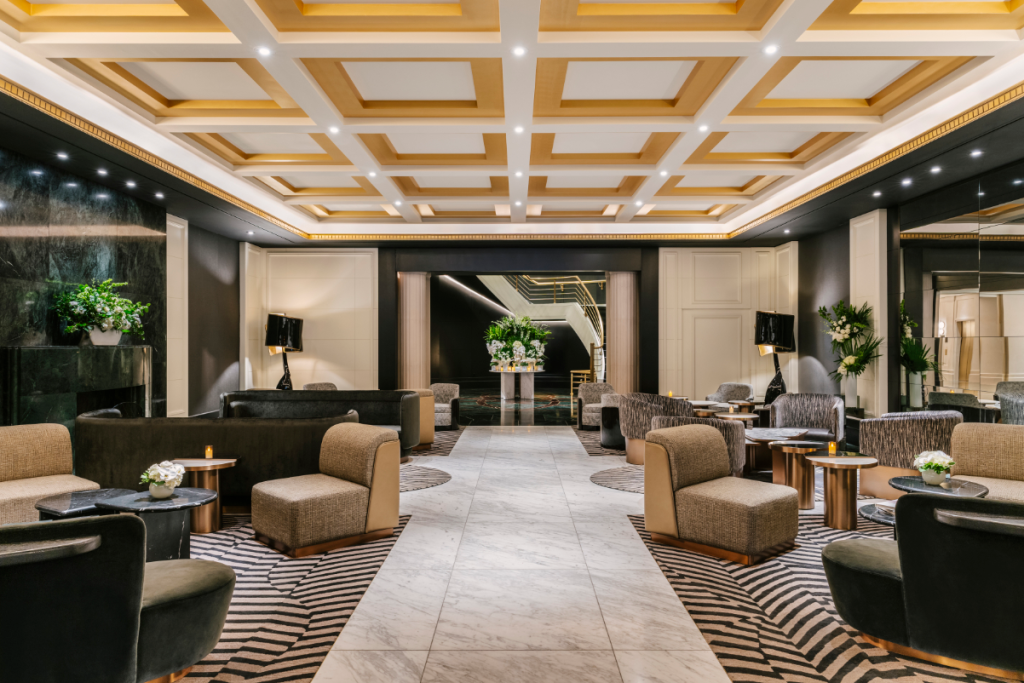













Comprehensive Summarization:
Accor has recently completed a multi-year renovation of its Sofitel New York hotel, positioning it as the flagship property in its broader strategy to revitalize the Sofitel brand. This renovation focuses on refreshed interiors, enhanced service standards, and the divestment of underperforming properties. The challenge for Sofitel, like many luxury brands, lies in maintaining brand consistency across a diverse portfolio of properties owned by various investors with differing levels of investment in capital expenditure. The article highlights the broader tension in the hospitality industry regarding how large hotel companies can balance brand uniformity with the need for localized service excellence.
Key Points:
- Accor’s Sofitel New York has undergone a multi-year renovation, emphasizing modernized interiors, improved service standards, and the sale of underperforming properties.
- The renovation is part of Accor’s strategy to modernize the Sofitel brand and address the challenge of maintaining brand consistency across a diverse portfolio of properties.
- The article discusses the broader industry tension of balancing brand uniformity with localized service excellence, a common challenge for large hotel companies.
Actionable Takeaways:
-
Brand Consistency Across Diverse Portfolios: For hotel companies with a wide range of properties, maintaining brand consistency is crucial. Accor’s approach to renovating Sofitel New York as a flagship property can serve as a model for other companies looking to revitalize their brand image while managing a diverse portfolio of properties.
-
Strategic Divestment of Underperforming Properties: Accor’s decision to shed underperforming properties as part of the renovation strategy highlights a practical approach to resource allocation. Companies should regularly assess their property portfolio and divest from underperforming assets to focus resources on properties that align with their brand strategy and financial goals.
Contextual Understanding:
The renovation of Sofitel New York reflects broader industry trends towards modernization and the need for hotel companies to adapt to changing consumer expectations. The focus on refreshed interiors and enhanced service standards aligns with the current trend of luxury brands investing in guest experience to differentiate themselves in a competitive market. Additionally, the strategic decision to divest underperforming properties underscores the importance of operational efficiency and financial prudence in the hospitality sector. These actions are indicative of a larger industry shift towards data-driven decision-making and the integration of technology to enhance operational efficiency and guest satisfaction.
Handling Different Article Types:
The article in question is a news brief, providing factual information about a specific renovation project and its implications for the broader hospitality industry. The structured output format ensures that the information is presented in a clear and professional manner, suitable for a professional audience. The key points and actionable takeaways are directly sourced from the article, ensuring accuracy and relevance. The contextual insights integrate the latest travel trends and industry insights, providing a forward-looking perspective on the importance of brand management and strategic divestment in the current travel landscape.
Read the Complete Article.



