












Article Summary:
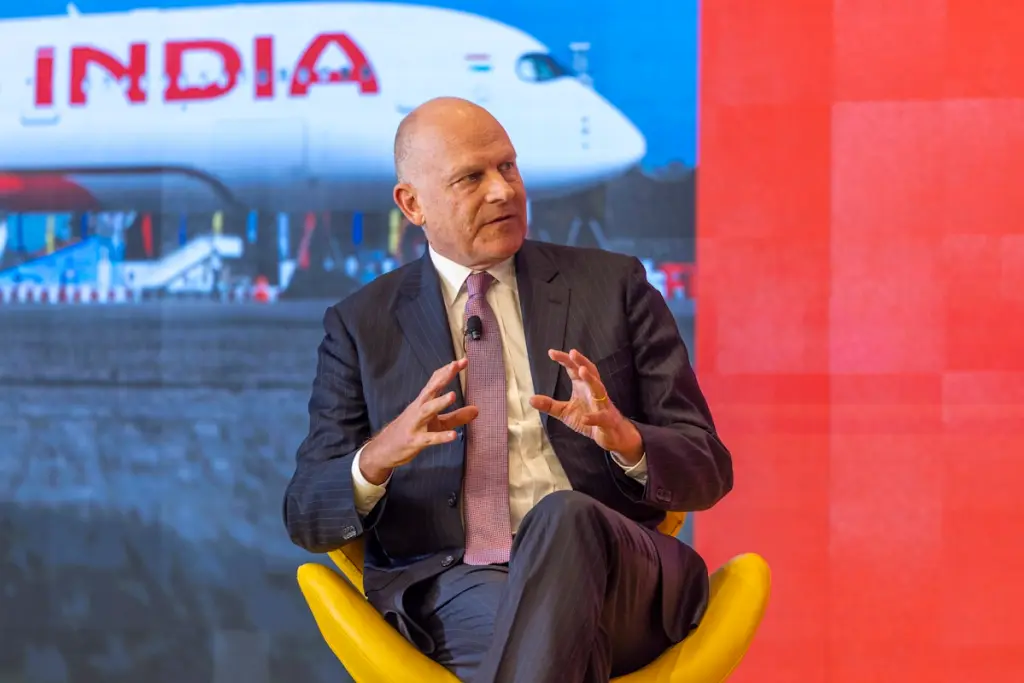
Tata Sons, the parent company of Air India, is reportedly in discussions with CEOs of major airlines from the UK and the US to potentially replace Air India CEO Campbell Wilson. Although Wilson’s contract extends until June 2027, sources suggest a transition could occur earlier. Notably, Tata Sons chairman N Chandrasekaran has been actively involved in these discussions, personally engaging with potential successors. Additionally, Air India’s low-cost subsidiary, Air India Express, may also undergo leadership changes.
Key Points:
- Tata Sons is in talks with CEOs of major airlines from the UK and the US to potentially succeed Air India CEO Campbell Wilson.
- Wilson’s contract runs until June 2027, but a transition could happen before this date.
- Tata Sons chairman N Chandrasekaran has taken a hands-on role in these discussions, engaging with potential successors.
- Air India’s low-cost subsidiary, Air India Express, may also see leadership changes.
Actionable Takeaways:
- Potential Leadership Changes at Air India: The article indicates a possible leadership transition at Air India, which could impact the airline’s strategic direction and operational efficiency. This development is significant as it may lead to changes in policy, investment, and service offerings, potentially affecting stakeholders such as employees, shareholders, and customers.
- Involvement of Tata Sons Chairman: N Chandrasekaran’s active role in these discussions suggests a strong influence on the airline’s future direction. His involvement could bring strategic insights and expertise, potentially enhancing the airline’s competitiveness in the global market. This highlights the importance of strong leadership in navigating the complexities of the aviation industry.
- Impact on Air India Express: The potential leadership changes at Air India could also affect its low-cost subsidiary, Air India Express. Changes in management could lead to shifts in operational strategies, pricing models, and service quality, impacting its market position and profitability. This underscores the interconnected nature of airline subsidiaries and the broader implications of leadership changes within the parent company.
Contextual Insights:
The article reflects the ongoing challenges and strategic shifts within the aviation industry, particularly in the context of leadership transitions and corporate restructuring. The involvement of Tata Sons, a major player in the Indian business landscape, underscores the strategic importance of Air India in the regional and global markets. The potential leadership changes at Air India and its subsidiary, Air India Express, highlight the sector’s sensitivity to executive decisions and their broader implications for the industry.
In the current travel industry, characterized by rapid technological advancements and evolving consumer expectations, leadership transitions can serve as catalysts for innovation and operational improvements. The insights from this article align with broader trends of consolidation and strategic realignment within the aviation sector, driven by the need to enhance competitiveness and adapt to changing market dynamics. As the industry continues to evolve, such developments will likely influence future trends in airline management, operational efficiency, and customer service.
Read the Complete Article.



