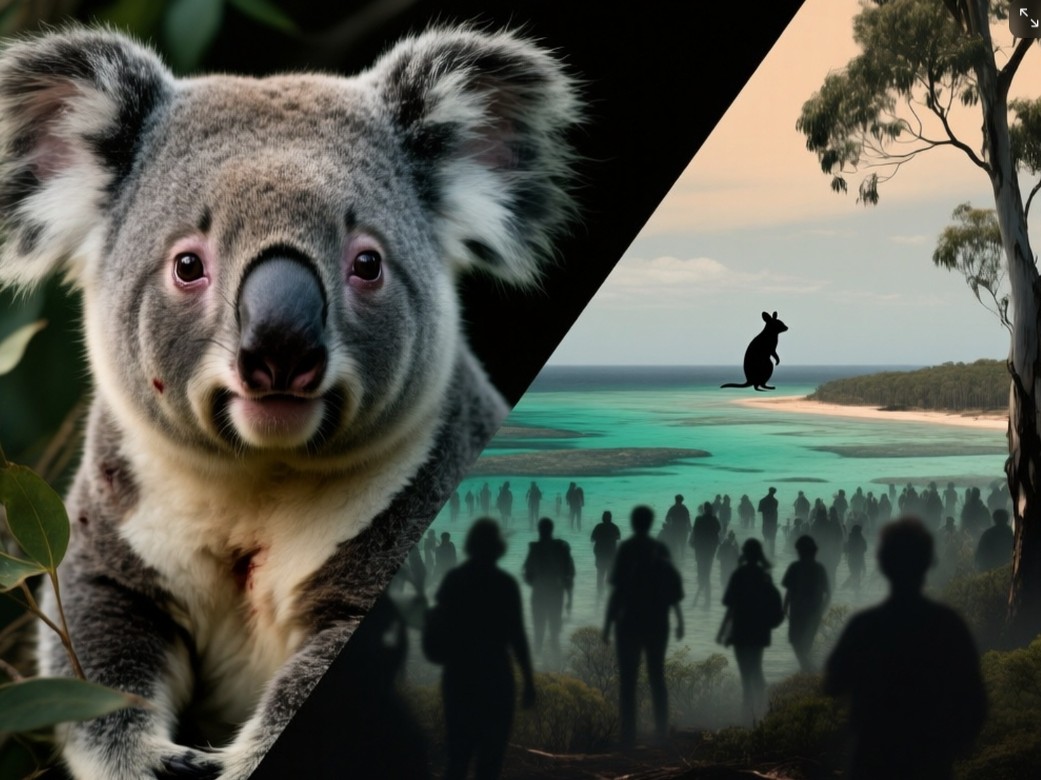













Australia’s wildlife tourism is facing a critical juncture, with concerns mounting over animal abuse, the banning of direct animal interactions like koala cuddles, and the detrimental impact of overtourism on native species. The industry, a significant draw for international visitors, is under scrutiny for practices that threaten animal welfare and contribute to the potential extinction of vulnerable wildlife.
The article highlights a shift away from exploitative tourist activities, such as mandatory koala cuddle photos. These practices, while popular, are now recognized as harmful to the animals, causing stress and potentially leading to illness. This change reflects a growing awareness of ethical tourism and the need to prioritize animal well-being.
Overtourism is identified as another major threat. An influx of tourists, particularly in sensitive natural habitats, places immense pressure on ecosystems and the animals that inhabit them. This can lead to habitat degradation, increased pollution, and disturbance of wildlife breeding patterns.
The article suggests that these issues are pushing some species, including the iconic koala, closer to extinction. Conservation efforts are being re-evaluated to address the dual challenges of unsustainable tourism practices and the broader environmental pressures affecting Australian wildlife. The future of wildlife tourism in Australia hinges on adopting more responsible and sustainable approaches that protect its natural heritage for generations to come.
Key Points
* Koala cuddles have been banned.
Read the Complete Article.



