












Article Summary:
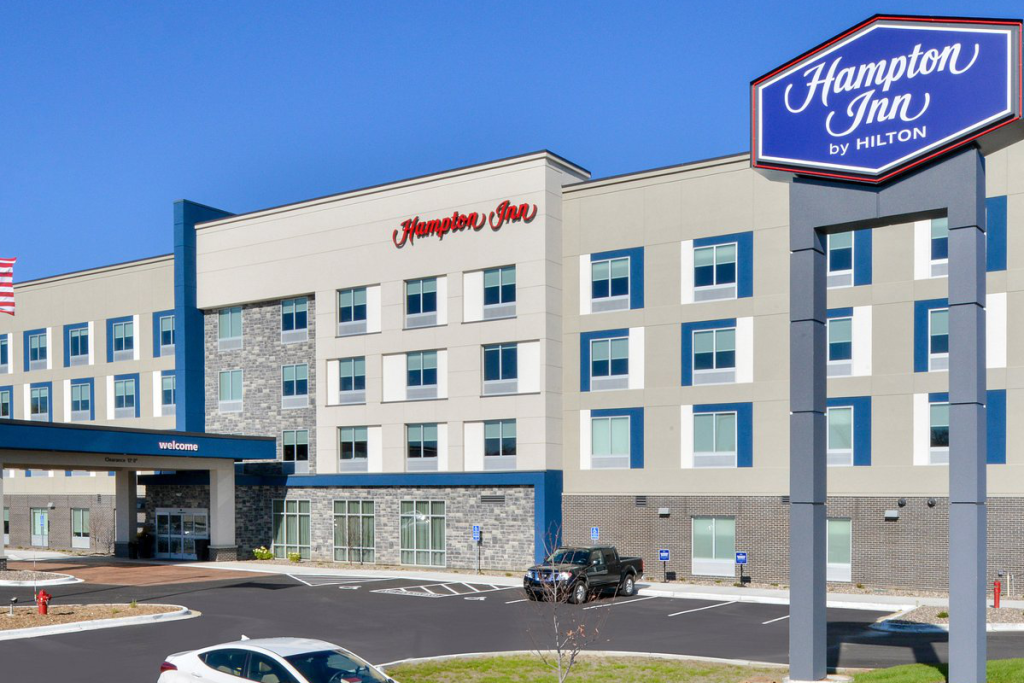
The U.S. Department of Homeland Security (DHS) publicly accused a Hilton-branded hotel in Minneapolis of refusing to accommodate immigration enforcement officers. The agency claimed that the hotel maliciously canceled reservations of these officers, which was later shared on X (formerly Twitter) with accompanying images. This incident highlights a potential issue of bias or discrimination in service provision within the hospitality industry, particularly concerning law enforcement personnel.
Key Points:
- The DHS accused a Hilton-branded hotel in Minneapolis of refusing service to immigration enforcement officers.
- The hotel allegedly canceled reservations of these officers, a claim the hotel denies.
- The incident was publicly shared on X (formerly Twitter) with images, sparking controversy and discussion about bias in service provision within the hospitality industry.
Actionable Takeaways:
-
Enhanced Training for Hospitality Staff: Hotels should implement comprehensive training programs for staff to recognize and prevent bias in service provision, especially when dealing with law enforcement personnel. This training should include cultural sensitivity and understanding of the roles and responsibilities of immigration enforcement officers.
- Relevance and Impact: Such training can help mitigate incidents of discrimination, improve guest satisfaction, and enhance the hotel’s reputation. It aligns with broader industry trends towards inclusivity and diversity, which are increasingly important in the travel sector.
-
Transparent Communication Policies: Establish clear communication protocols for handling such situations internally and externally. This includes having a predefined response strategy for public accusations and ensuring that all parties are informed promptly and accurately.
- Relevance and Impact: Transparent communication can help manage reputational risks and build trust with stakeholders. In an era where social media can rapidly disseminate information, having a robust communication strategy is crucial for crisis management in the travel industry.
Contextual Insights:
The incident underscores the ongoing challenges of bias and discrimination in the hospitality industry, particularly in a context where law enforcement officers are a critical segment of the clientele. Recent trends indicate a growing emphasis on inclusivity and diversity within the travel sector, with stakeholders increasingly demanding accountability and ethical service provision. This case serves as a reminder of the importance of ethical standards and the potential legal and reputational risks associated with discriminatory practices. Forward-looking insights suggest that the travel industry must continue to innovate in areas such as AI-driven bias detection and inclusive service training to stay ahead of regulatory and public expectations.
Read the Complete Article.



