










Comprehensive Summarization:
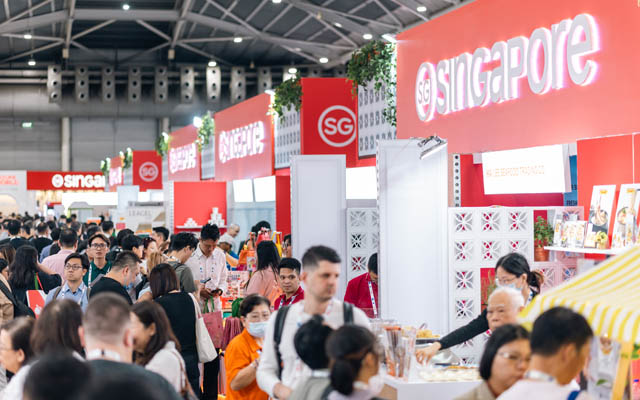
Food & Hospitality Asia (FHA) 2026 concluded after four days of trade activity, seminars, and competitions, marking its largest edition in a decade. The event, held at Singapore Expo, combined FHA-Food & Beverage and FHA-HoReCa into a single annual format alongside ProWine Singapore and IndusFood Asia. Over 2,750 exhibitors participated across 10 halls, attracting about 70,000 industry professionals from around 110 countries and regions. The program covered 18 segments across food, beverage, and hospitality, including technology, products, and operational practices. The show floor featured country pavilions from Asia-Pacific, Europe, and the Americas, with newer participants such as Cambodia, Mongolia, and the Philippines. The European Union was featured as the Region of Honour, presenting food products and sustainability initiatives. The Singapore Pavilion, led by the Singapore Tourism Board, played a central role in the event.
Key Points:
- FHA 2026 was the largest edition in a decade, held at Singapore Expo.
- The event combined FHA-Food & Beverage and FHA-HoReCa into a single annual format.
- Over 2,750 exhibitors participated across 10 halls, attracting 70,000 industry professionals from 110 countries.
- The program covered 18 segments across food, beverage, and hospitality, including technology, products, and operational practices.
- The European Union was featured as the Region of Honour, focusing on food products and sustainability initiatives.
- The Singapore Pavilion, led by the Singapore Tourism Board, was a central feature of the event.
Actionable Takeaways:
-
Increased Global Participation: The record attendance of 70,000 professionals from 110 countries highlights the growing global interest in the food and hospitality sectors. This trend suggests that companies should focus on international market expansion and localization strategies to cater to diverse consumer preferences.
-
Focus on Sustainability: The European Union’s emphasis on sustainability initiatives at the Region of Honour pavilion indicates a strong industry trend towards eco-friendly practices. Travel and hospitality businesses should prioritize sustainable operations and product development to meet consumer demand for environmentally responsible options.
-
Showcase of Emerging Markets: The inclusion of newer participants like Cambodia, Mongolia, and the Philippines suggests an expanding market for food and hospitality businesses. Companies can leverage this opportunity by exploring partnerships or market entry strategies in these emerging economies to tap into new customer bases.
Contextual Insights:
The article reflects the current travel industry’s emphasis on global connectivity and sustainability. The record-breaking attendance and diverse participant base underscore the industry’s expansion and the increasing importance of international collaboration. The focus on sustainability by the European Union aligns with broader global trends towards eco-conscious practices, indicating that businesses in the travel sector must adapt to meet these expectations. Furthermore, the participation of newer markets like Cambodia and Mongolia signals opportunities for innovation and market penetration, particularly for startups and tech-driven solutions in the food and hospitality sectors. This context suggests that the industry is moving towards more inclusive, sustainable, and technologically integrated models, which present both challenges and opportunities for stakeholders.
Read the Complete Article.






