












Article Summary:
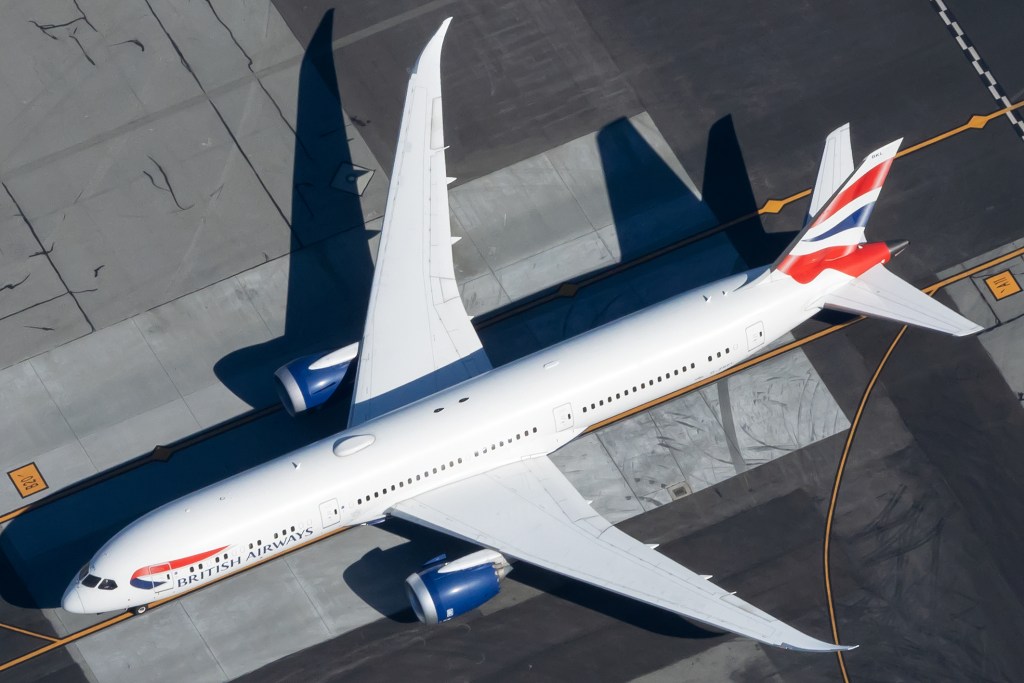
International Airlines Group (IAG), the owner of British Airways, Iberia, and Aer Lingus, reported a net profit of €1.40 billion for the third quarter ending September, slightly below the previous year’s €1.44 billion. Revenue remained unchanged, while operating profit before exceptional items increased by 2%, slightly missing market forecasts. Despite capacity growth, passenger numbers declined by 0.5% to 34.6 million, with load factors indicating softer demand on key routes. This mixed performance led to a drop in shares as investors assessed the impact of reduced demand.
Key Points:
- IAG reported a net profit of €1.40 billion for Q3, slightly below the previous year’s €1.44 billion.
- Revenue remained unchanged, while operating profit before exceptional items rose by 2%.
- Passenger numbers decreased by 0.5% to 34.6 million, indicating softer demand on key routes.
- The mixed results led to a decline in shares as investors analyzed the impact of reduced demand.
Actionable Takeaways:
-
Focus on Load Factors: Airlines should closely monitor and improve load factors to offset declining passenger numbers. This is crucial as load factors directly impact operating profit, as seen in IAG’s 2% increase in operating profit despite lower passenger volumes.
-
Capacity Growth Management: While capacity growth is positive, airlines must ensure that it aligns with demand to prevent a decline in load factors. IAG’s experience suggests that unchecked capacity growth can lead to reduced profitability if passenger numbers do not keep pace.
- Investor Communication: Companies must communicate clearly with investors regarding profit expectations and the impact of market conditions. IAG’s share decline highlights the importance of transparent communication in navigating market expectations and investor sentiment.
Contextual Insights:
The article reflects the broader challenges faced by the European aviation sector, where capacity growth does not always translate to increased demand. This scenario is indicative of a market where airlines must balance expansion with demand management. The focus on load factors and investor communication underscores the need for strategic adjustments in response to fluctuating passenger volumes. As the travel industry continues to evolve, insights from thought leaders suggest that innovation in travel tech and fintech solutions could play a pivotal role in enhancing operational efficiency and customer satisfaction, potentially mitigating the impact of demand fluctuations.
Read the Complete Article.



