













Article Summary:
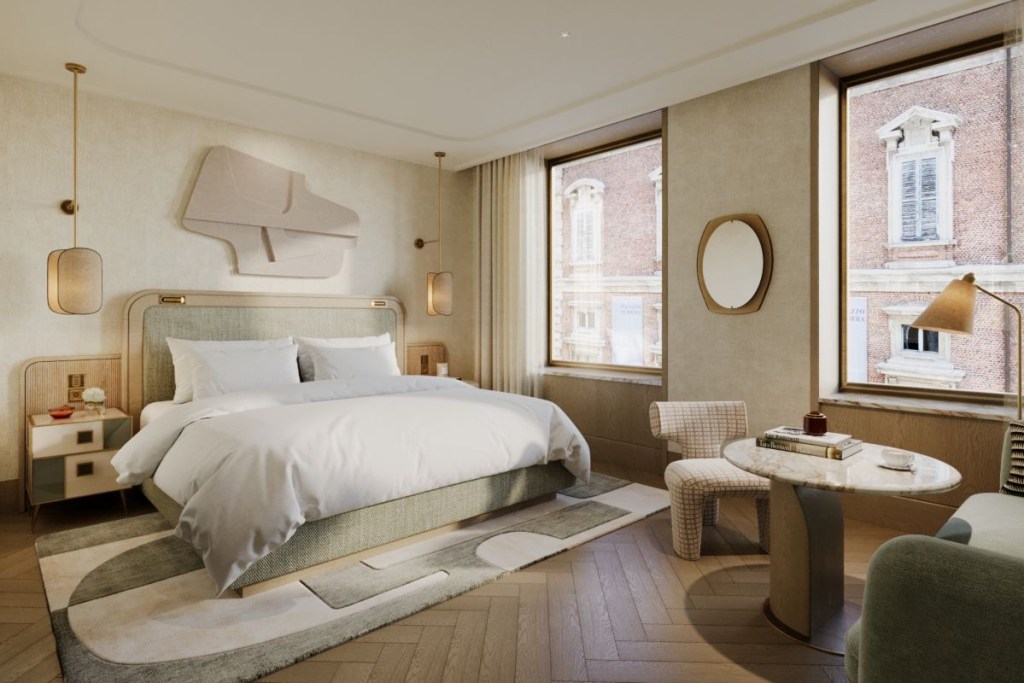
InterContinental Hotels Group (IHG) is actively working to elevate its brand image from primarily mid-market to luxury, following a decade-long strategy of expanding its luxury portfolio. This strategic shift includes the acquisition of four luxury brands, such as Six Senses and Regent, aiming to attract high-net-worth travelers who offer higher profit margins. Tom Rowntree, VP global luxury brands at IHG, highlighted an 80% growth in the number of luxury hotels within IHG’s portfolio during a recent presentation at the International Luxury Travel Market (ILTM) in Cannes. The focus remains on differentiation as a key operational challenge.
Key Points:
- IHG is transitioning from a mid-market operator to a luxury brand, expanding its luxury hotel portfolio significantly.
- The company has added four luxury brands, including Six Senses and Regent, in the past decade.
- Tom Rowntree, VP global luxury brands at IHG, reported an 80% growth in the number of luxury hotels under IHG’s management.
- Differentiation remains a primary operational challenge for IHG in its luxury brand expansion.
Actionable Takeaways:
- Strategic Luxury Brand Expansion: IHG’s acquisition of luxury brands like Six Senses and Regent demonstrates a strategic move to target high-net-worth travelers, aiming to increase profit margins. This approach could serve as a model for other travel companies looking to diversify their offerings and capture premium market segments.
- Focus on Differentiation: The article emphasizes the importance of differentiation in the luxury travel market. Travel companies should invest in unique experiences, personalized services, and exclusive amenities to stand out in a competitive landscape. This focus on differentiation can enhance brand loyalty and attract a higher-paying clientele.
- Emphasis on High-Net-Worth Travelers: IHG’s strategy highlights the growing importance of catering to high-net-worth travelers. Travel companies should develop targeted marketing strategies and luxury-focused services to appeal to this affluent segment, potentially leading to increased revenue and brand prestige.
Contextual Insights:
The article reflects the ongoing trend in the travel industry towards luxuryization, where companies are shifting their focus from mass-market to high-end offerings. This shift is driven by the increasing demand for unique, personalized experiences among affluent travelers. The expansion of IHG’s luxury portfolio aligns with broader industry trends, such as the rise of boutique hotels and the demand for sustainable luxury travel. Moreover, the focus on differentiation underscores the need for travel companies to innovate continuously, leveraging technology and personalized services to create memorable experiences that set them apart from competitors. As the travel industry evolves, companies that successfully navigate these challenges and capitalize on emerging opportunities will likely thrive in the competitive luxury market.
Read the Complete Article.



