










Comprehensive Summarization:
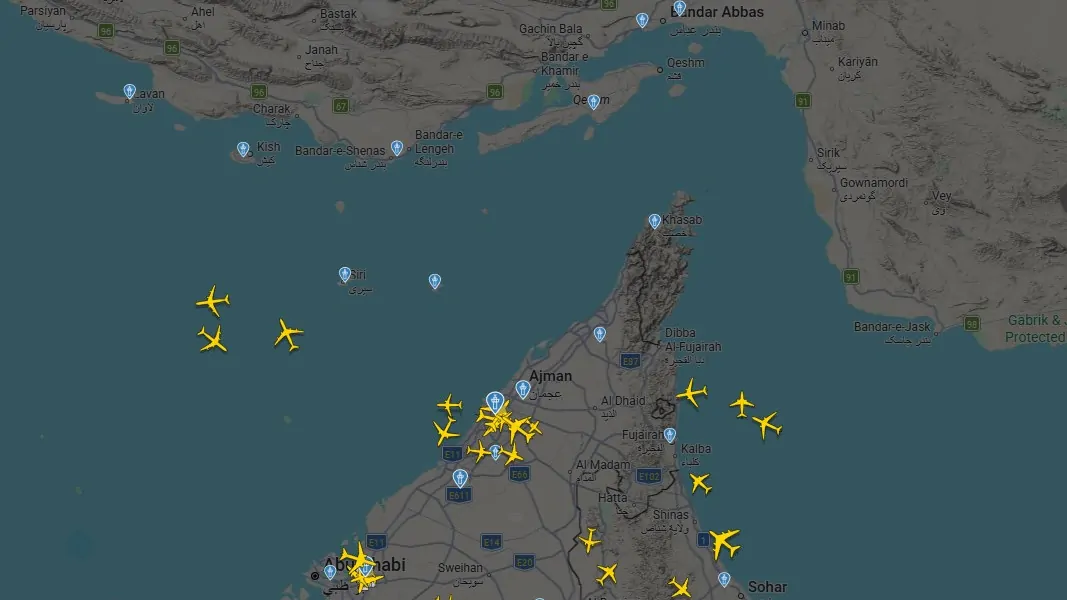
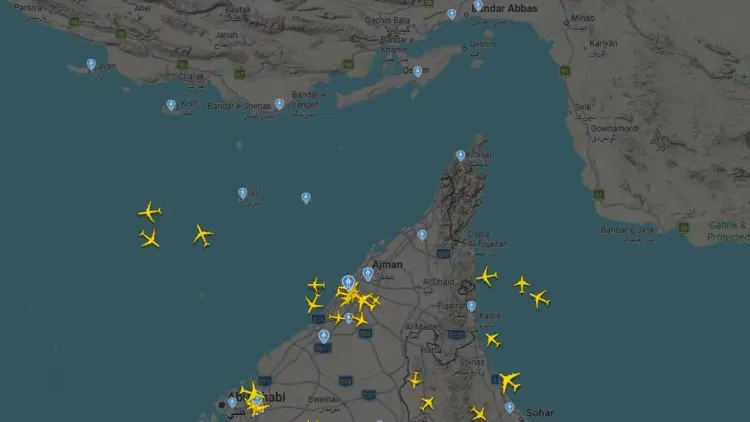
The article reports on significant disruptions to flights heading to Dubai and Sharjah due to Iranian missile and drone attacks, causing delays, diversions, and turnbacks across the United Arab Emirates. Aviation tracker Flightradar24 has documented multiple aircraft being affected, with major hubs like Dubai International Airport and Zayed International Airport experiencing the most impact. This escalation, influenced by the ongoing tensions between the US and Iran, highlights the vulnerability of global aviation to geopolitical events and underscores the need for robust contingency planning in the travel industry.
Key Points:
- Flights to Dubai and Sharjah are being held, diverted, or turned back due to attacks disrupting airspace.
- Aviation tracker Flightradar24 reports delays and rerouted flights as a result of the latest escalation between the US and Iran.
- Major airports such as Dubai International Airport and Zayed International Airport are particularly affected.
- The article emphasizes the impact of geopolitical tensions on the aviation industry and the necessity for adaptable flight operations.
Actionable Takeaways:
-
Implement Flexible Flight Scheduling: Airlines should adopt flexible scheduling practices to quickly adapt to disruptions caused by geopolitical events. This includes maintaining real-time communication with passengers and optimizing flight paths to minimize delays.
-
Enhance Geopolitical Risk Assessment: Travel companies should invest in advanced risk assessment tools to monitor geopolitical tensions and predict potential disruptions. This proactive approach can help in planning alternative routes and mitigating the impact on operations.
-
Strengthen Partnerships with Aviation Tracking Services: Collaborating with aviation tracking services like Flightradar24 can provide real-time insights into flight statuses, enabling airlines to make informed decisions swiftly and maintain transparency with passengers.
Contextual Insights:
The article reflects the heightened sensitivity of the travel industry to geopolitical events, particularly those involving Iran. Recent trends indicate a growing reliance on technology for real-time monitoring and response to disruptions. Innovations in flight tracking and risk assessment are becoming essential tools for airlines to navigate uncertainties. As geopolitical tensions continue to influence global travel, the industry must prioritize adaptability and technological integration to ensure resilience and maintain operational efficiency. This scenario underscores the importance of leveraging travel tech and fintech solutions to enhance operational agility and customer trust in volatile environments.
Read the Complete Article.






