












Article Summary:
The article discusses the increasing preference for luxury products among Indians, a demographic that represents the third-largest retail market globally. According to a report by Bain & Company, India’s gross merchandise value (GMV) in the e-retail market reached $60 billion in 2024. A Statista survey in March 2024 revealed that over 80% of Indian luxury consumers prefer purchasing high-end fashion from global brands like Gucci and Armani. This trend is now extending to travel, with American Express finding that 50% of Indians planned an international trip in 2025 specifically to purchase luxury goods or investment pieces. Additionally, 81% of these consumers expressed a preference for luxury travel experiences.
Key Points:
- Indian consumers are increasingly favoring luxury products, with a significant portion preferring high-end fashion from global brands.
- The e-retail market in India is substantial, with a GMV of $60 billion in 2024.
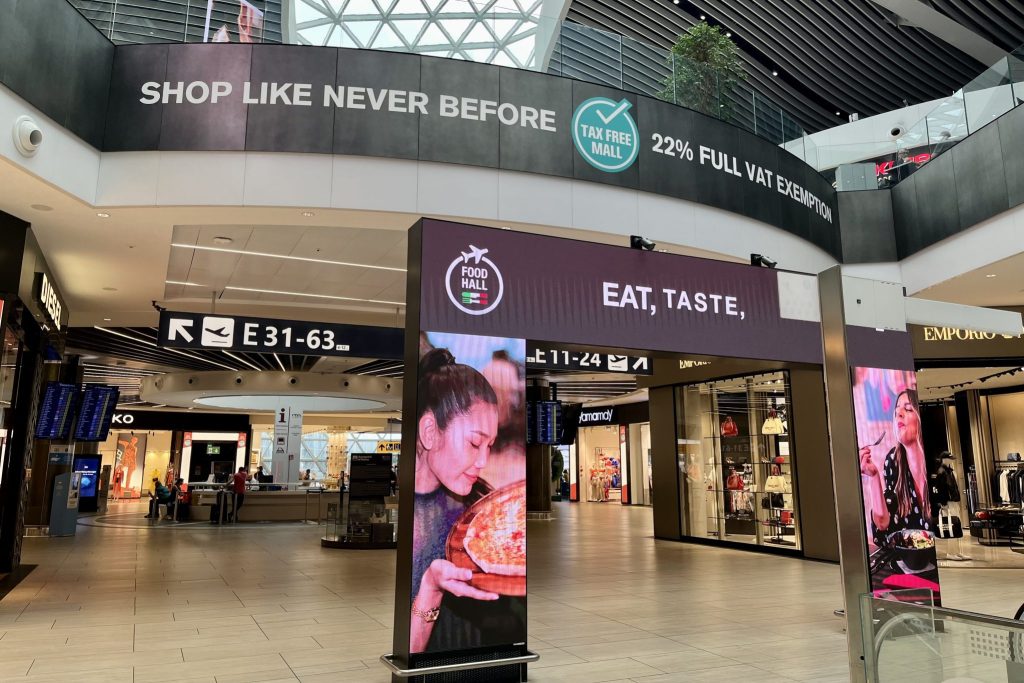
- A substantial percentage of Indian luxury consumers plan to travel internationally in 2025 specifically for luxury purchases.
- There is a clear trend towards luxury travel experiences among Indian consumers.
Actionable Takeaways:
-
Target Luxury Travel Experiences: Travel companies and service providers should focus on developing luxury travel packages that cater to the preferences of Indian consumers. This could include exclusive access to high-end fashion brands, premium accommodations, and unique travel experiences.
- Relevance and Impact: By aligning with the preferences of Indian luxury consumers, travel companies can tap into a growing market segment, potentially increasing revenue and market share.
-
Leverage E-commerce for Luxury Goods: Given the high preference for luxury goods from global brands, travel companies can integrate e-commerce platforms to facilitate the purchase of luxury items during international trips. This aligns with the trend of Indian consumers planning luxury travel purchases.
- Relevance and Impact: Enhancing the e-commerce experience for luxury goods during travel can streamline the purchasing process for consumers, making it more convenient and potentially increasing sales for both travel companies and luxury brands.
-
Invest in Technology for Personalized Luxury Experiences: Utilizing travel tech and fintech innovations can help in offering personalized luxury travel experiences. This includes using data analytics to understand consumer preferences and offering customized travel itineraries, accommodations, and shopping experiences.
- Relevance and Impact: Personalization can significantly enhance customer satisfaction and loyalty. By leveraging technology, travel companies can differentiate themselves in a competitive market and meet the evolving expectations of luxury-seeking consumers.
Contextual Insights:
The article reflects the growing trend of luxury consumption among Indians, a demographic that is expanding its purchasing power and preference for high-end products and experiences. This trend is not only reshaping the retail market but is also influencing the travel industry, as consumers seek luxury travel experiences that align with their lifestyle and preferences. The integration of technology, particularly in e-commerce and personalized services, is crucial for travel companies to meet these demands. As India continues to grow as a significant retail market, travel companies that adapt to these trends by offering luxury travel experiences and leveraging technology will be well-positioned to capture a significant share of this expanding market. This forward-looking perspective underscores the importance of staying attuned to consumer preferences and technological advancements in the travel industry.
Read the Complete Article.



