












Article Summary:
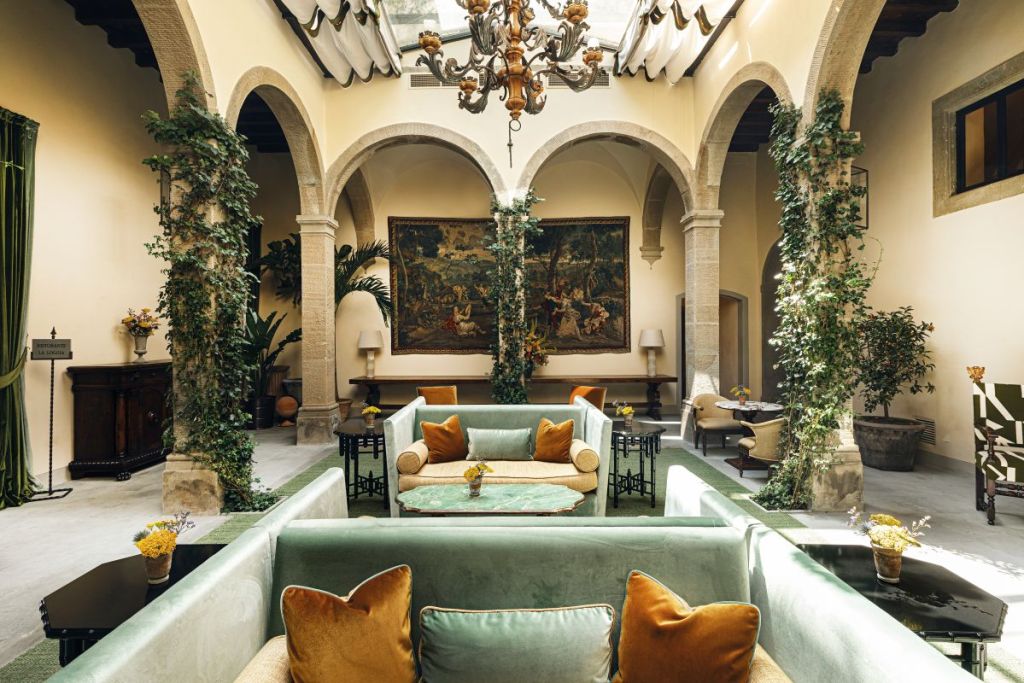
The article discusses a shift in the luxury hospitality industry, moving away from the traditional model of offering an abundance of amenities towards a more restrained approach known as “quiet luxury.” This trend is driven by the growing segment of luxury travelers who seek less noise, stimulation, and congestion, opting instead for a more serene and exclusive experience. Companies like Hilton and Accor are capitalizing on this trend by introducing new ultra-luxury brands that emphasize minimalism and tranquility. The underlying thought is that wealthy travelers are increasingly looking for relief from overstimulation and are willing to pay a premium for a quieter, more refined luxury experience.
Key Points:
- The luxury hospitality model is evolving from an abundance of amenities to a focus on restraint and minimalism, termed as “quiet luxury.”
- The fastest-growing segment of luxury travelers now prioritizes less noise, stimulation, and congestion, leading to a demand for more exclusive and serene experiences.
- Companies such as Hilton and Accor are responding to this trend by developing new ultra-luxury brands that emphasize quietness and tranquility.
- The trend reflects a broader shift in consumer preferences, with wealthy travelers seeking relief from overstimulation and a desire for a more refined luxury experience.
Actionable Takeaways:
-
Embrace Minimalism in Luxury Offerings: Travel companies should focus on offering a more restrained and exclusive experience to cater to the growing demand for “quiet luxury.” This could involve reducing noise and stimulation in accommodations and focusing on creating a serene environment for guests.
- Relevance and Impact: By aligning with the evolving preferences of luxury travelers, companies can differentiate themselves in a competitive market and attract a new segment of affluent customers seeking a more tranquil luxury experience.
-
Invest in Quiet and Tranquil Amenities: Companies should invest in amenities and design elements that promote tranquility, such as quiet spaces, minimalistic decor, and reduced noise levels. This could include soundproofing, minimalist design, and the use of natural materials.
- Relevance and Impact: By prioritizing quiet and tranquil amenities, companies can enhance guest satisfaction and loyalty, positioning themselves as leaders in the emerging trend of “hushpitality” and capturing a share of the growing luxury market.
Contextual Insights:
The article reflects the current state of the luxury hospitality industry, where there is a noticeable shift towards more restrained and exclusive offerings. This trend is influenced by several factors, including the increasing awareness of overstimulation and the desire for a more peaceful and exclusive travel experience. The rise of “quiet luxury” is a response to the growing segment of luxury travelers who prioritize relaxation and exclusivity over the sheer abundance of amenities. This shift is also supported by the broader trend of consumers seeking wellness and mindfulness in their travel experiences, further emphasizing the importance of creating a serene environment.
Moreover, the article highlights the innovative approaches taken by industry leaders like Hilton and Accor, who are at the forefront of this trend. By introducing new ultra-luxury brands that emphasize quietness and tranquility, these companies are not only meeting the evolving preferences of their customers but also setting new standards for luxury hospitality. This contextual understanding underscores the importance of adapting to changing consumer preferences and leveraging technological advancements to enhance the guest experience. As the travel industry continues to evolve, companies that successfully navigate this shift towards “quiet luxury” are likely to gain a competitive edge and capture a larger share of the luxury market.
Read the Complete Article.



