












Article Summary:
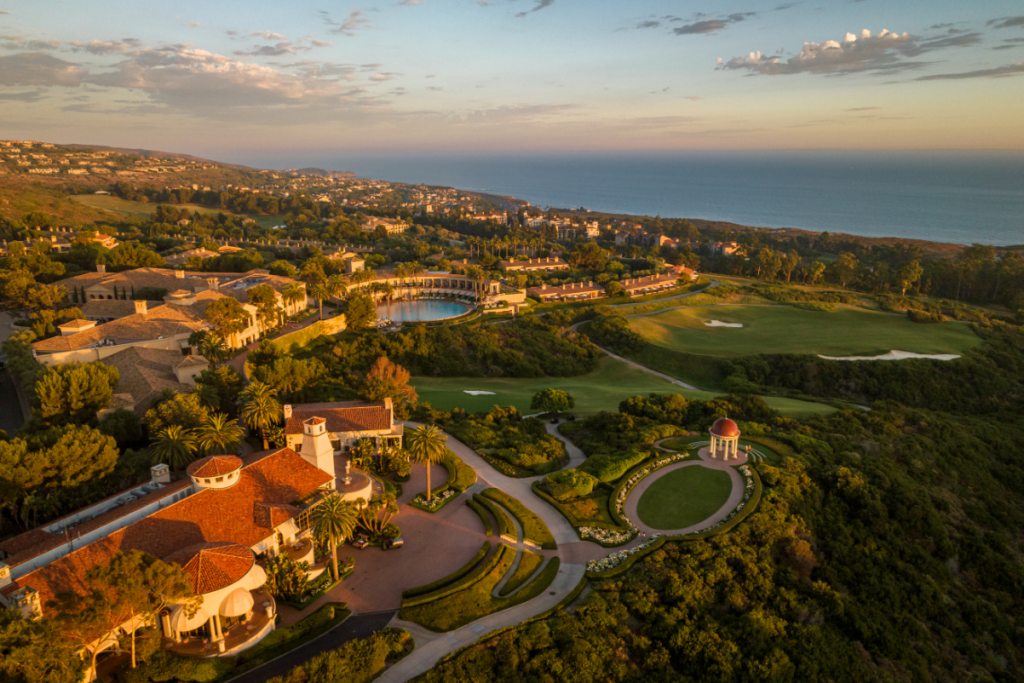
Marriott has introduced St. Regis Estates, a new extension of its St. Regis brand, focusing on “heritage-rich,” “estate-style” properties. The initiative aims to expand the luxury footprint of the St. Regis brand without the costs and complexities associated with building a new brand. The first project under this label is the planned conversion of The Resort at Pelican Hill, a coastal property in Newport Beach, California, set to open in 2027. This move reflects Marriott’s strategy to grow its luxury brand through heritage-rich properties with large acreages and notable histories.
Key Points:
- Marriott is launching St. Regis Estates, a new brand extension under the St. Regis brand, focusing on properties with large acreages and notable histories.
- The first project under St. Regis Estates is the conversion of The Resort at Pelican Hill in Newport Beach, California, slated for a 2027 opening.
- This initiative is Marriott’s latest attempt to expand its luxury footprint without the costs and complexities of creating a new brand from scratch.
Actionable Takeaways:
-
Brand Extension Strategy: Marriott’s introduction of St. Regis Estates demonstrates a strategic shift towards leveraging existing brand equity to enter new market segments. This approach allows Marriott to capitalize on the heritage and prestige associated with the St. Regis name while expanding into properties with unique characteristics. It highlights the importance of brand extension as a growth strategy in the luxury travel sector, potentially setting a precedent for other luxury hotel chains looking to diversify their offerings without the overhead of brand creation.
-
Focus on Heritage and Large Acreages: The emphasis on “heritage-rich” and “estate-style” properties indicates a trend within the luxury travel industry towards properties that offer more than just accommodation—they provide an immersive experience rooted in history and expansive, luxurious settings. This focus aligns with the growing consumer demand for unique, memorable travel experiences that go beyond standard hotel stays. For travel startups and established brands alike, this trend underscores the value of offering distinctive, story-driven properties that appeal to luxury-seeking travelers.
Contextual Insights:
The launch of St. Regis Estates within the context of current travel trends and industry developments reflects several key insights. Firstly, the luxury travel sector is increasingly valuing properties that offer more than just a place to stay; they seek experiences that are deeply rooted in history and offer expansive, luxurious environments. This aligns with broader industry trends towards experiential travel, where consumers are willing to pay a premium for unique, memorable experiences.
Secondly, Marriott’s strategy of expanding its luxury footprint through heritage-rich properties without the costs and complexities of creating a new brand underscores the importance of leveraging existing brand equity. In an industry where differentiation is key, this approach allows Marriott to tap into the prestige and trust associated with the St. Regis name, potentially attracting a clientele that values heritage and exclusivity.
Lastly, the focus on properties with large acreages and notable histories suggests a shift towards properties that offer expansive, scenic settings and a sense of exclusivity. This trend is likely to influence other luxury hotel chains and startups, encouraging them to prioritize properties that offer not just luxury amenities but also a compelling narrative and setting. For the travel industry as a whole, this could mean a move towards more destination-focused properties that offer a blend of luxury, history, and expansive landscapes, catering to the evolving preferences of luxury travelers.
Read the Complete Article.



