












Article Summary:
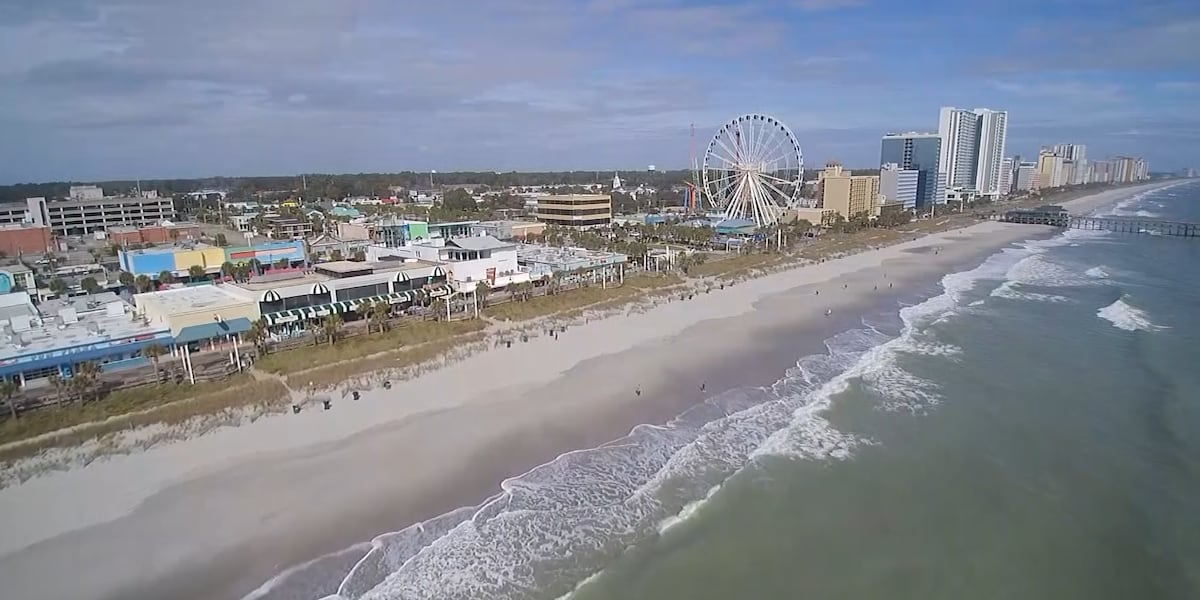
The article discusses the mixed results for local businesses in Myrtle Beach, South Carolina, as peak tourism season concludes. Despite the start of the fall season, some businesses are facing challenges due to economic pressures. Data shows a decline in hotel and short-term rental occupancy in June compared to 2024, but an increase in July and August, averaging about 70% for the season, which is on par with 2024. Visit Myrtle Beach President Stuart Butler attributes the economic pressure to the current state of travel. The hotel business in Myrtle Beach is following a national trend, with higher-cost and national brand hotels seeing increased business.
Key Points:
- Mixed results for local businesses in Myrtle Beach during the fall tourism season.
- Decline in hotel and short-term rental occupancy in June compared to 2024.
- Increase in hotel and short-term rental occupancy in July and August, averaging 70% for the season.
- Overall occupancy is on par with 2024.
- Higher-cost and national brand hotels are experiencing increased business, following a national trend.
Actionable Takeaways:
- Adjust Pricing Strategies: Hotels and short-term rental providers should consider adjusting their pricing strategies to align with the current economic pressures and occupancy trends. This could involve dynamic pricing models that respond to demand fluctuations, as seen in higher-cost and national brand hotels.
- Focus on Premium and National Brand Hotels: Given the increased business in higher-cost and national brand hotels, there may be an opportunity for other hotels to enhance their offerings or marketing strategies to attract similar clientele, potentially increasing their market share.
- Monitor Economic Indicators: Businesses should closely monitor economic indicators and consumer sentiment to anticipate and mitigate the impact of economic pressures on tourism. This proactive approach can help in making informed decisions regarding operations and marketing strategies.
Contextual Insights:
The article reflects the ongoing challenges faced by the travel industry, particularly in the wake of economic pressures and fluctuating tourism demand. The mixed results for local businesses highlight the volatility of the tourism sector, where occupancy rates can vary significantly within a short period. This context is crucial for understanding the current state of the travel industry, where businesses must adapt quickly to changing conditions. The focus on higher-cost and national brand hotels suggests a trend towards premium offerings, which could be indicative of a broader shift in consumer preferences towards quality and reliability. For travel startups and fintech innovations, this context underscores the importance of developing solutions that can help businesses navigate economic uncertainties and capitalize on emerging market trends.
Read the Complete Article.



