












Article Summary:
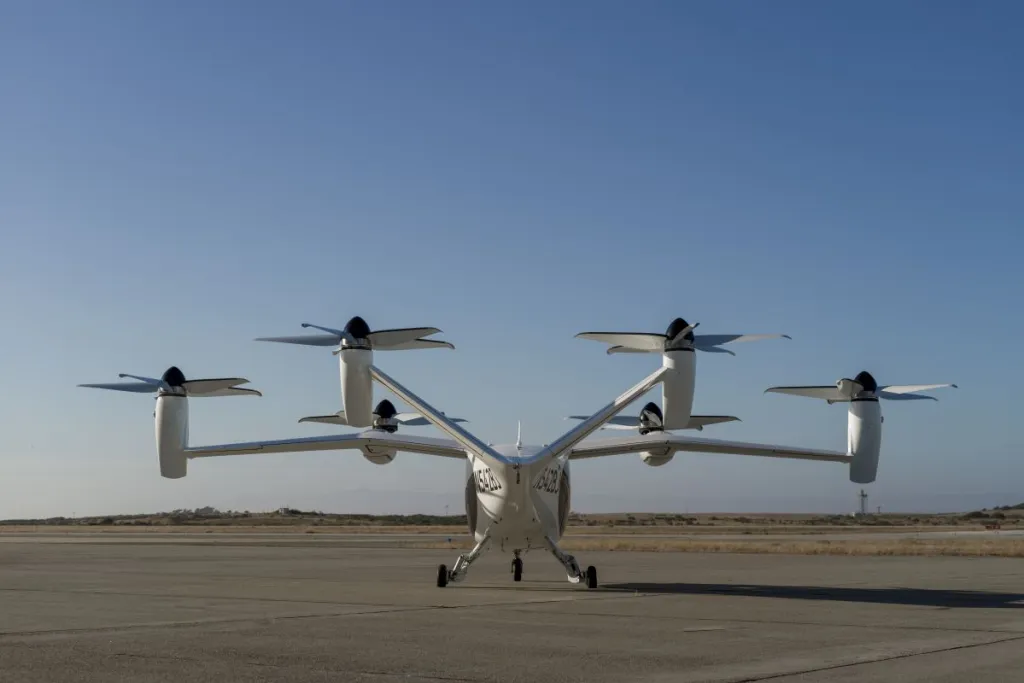
The U.S. Transportation Secretary, Sean Duffy, announced a new framework aimed at accelerating the integration of flying taxis into U.S. airspace. This initiative is part of a broader strategy to foster innovation in the aviation industry, driven by both domestic and international competition, particularly from China. The framework reflects the administration’s eagerness to bring flying taxis to market, positioning the U.S. to capitalize on the growing trend of urban air mobility.
Key Points:
- The Trump administration released a new framework to expedite the integration of flying taxis into U.S. airspace.
- The initiative is driven by a desire to increase innovation in the aviation industry and to counter international competition, notably from China.
- Transportation Secretary Sean Duffy emphasized the urgency of the race to innovate, highlighting that other countries, particularly China, are also pursuing advancements in flying taxi technology.
- The framework is part of a larger push to enhance the competitiveness of the U.S. aviation sector in the global market.
Actionable Takeaways:
- Accelerated Integration of Flying Taxis: The new framework signifies a significant step towards mainstream adoption of flying taxis in the U.S. This could lead to increased investment in urban air mobility startups, fostering innovation in aerospace technology and potentially reshaping urban transportation landscapes.
- Focus on International Competition: The emphasis on countering Chinese advancements underscores the strategic importance of flying taxis in the global aviation market. Companies and investors in the sector should consider positioning themselves to leverage this competitive landscape, potentially through partnerships or acquisitions to gain a competitive edge.
- Strategic Timing: With the aviation industry already undergoing rapid digital transformation, the push for flying taxis aligns with broader trends in sustainable and efficient transportation solutions. Stakeholders in the travel industry should monitor developments in urban air mobility closely, as it could open new market opportunities and disrupt traditional travel models.
Contextual Insights:
The announcement of the new framework to integrate flying taxis into U.S. airspace is a strategic move that reflects the broader trends of innovation and competition in the aviation industry. As countries worldwide seek to enhance their technological capabilities and maintain a competitive edge, the U.S. is positioning itself at the forefront of urban air mobility. This development is particularly relevant in the context of the ongoing digital transformation within the travel sector, where efficiency, speed, and sustainability are paramount.
Moreover, the emphasis on international competition, especially with China, highlights the global nature of technological advancements in the aviation sector. For travel startups and fintech companies, this presents both challenges and opportunities. Companies can capitalize on this trend by investing in research and development of air mobility solutions, exploring partnerships with established aviation firms, or developing innovative fintech solutions to support the operational and financial aspects of flying taxi services. The potential impact on the travel industry is significant, as flying taxis could redefine urban transportation, offering faster, more efficient, and environmentally friendly alternatives to traditional ground transportation.
Read the Complete Article.



