













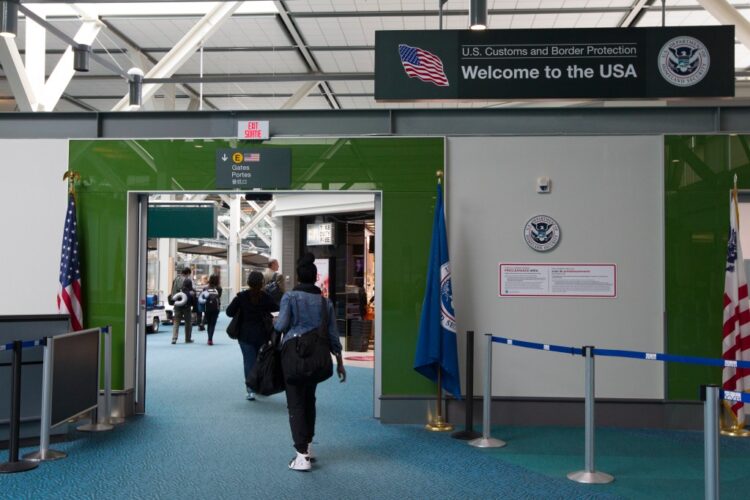
Article Summary:
The article discusses proposed changes by U.S. Customs and Border Protection (CBP) that may require travelers from top tourist-generating countries to provide additional information, including social media history, family members’ personal information, and biometric data. These changes are currently under a 60-day comment period before potential approval by the White House’s Office of Management and Budget. CBP has emphasized that these are not final rules but a “first step in…” the process.
Key Points:
- CBP is proposing new requirements for travelers from certain countries, including the collection of social media history, family members’ personal information, and biometric data.
- The proposed changes are currently under a 60-day comment period and are not yet finalized.
- CBP has stated that these are initial steps in a process that could lead to more stringent border security measures.
- The article highlights the evolving nature of travel security and the increasing use of biometric data in border control.
Actionable Takeaways:
- Enhanced Border Security Measures: The proposed changes indicate a trend towards more robust border security measures. Travel companies and service providers should prepare for potential increases in documentation requirements for international travelers. This may involve integrating new data collection and verification systems to comply with future regulations.
- Data Privacy and Security Considerations: With the introduction of biometric data and social media history as part of the travel documentation process, there is a heightened focus on data privacy and security. Companies handling traveler data must ensure compliance with data protection regulations and invest in secure data storage and processing technologies to protect sensitive information.
- Industry Adaptation and Innovation: The evolving landscape of travel security necessitates innovation in travel tech. Startups and established companies in the travel industry should explore technologies that facilitate secure, efficient, and user-friendly data collection and verification processes. This could include leveraging AI and machine learning for biometric data analysis, blockchain for secure data storage, and user-friendly interfaces for managing travel documentation.
Contextual Insights:
The proposed changes by CBP reflect a broader trend in the travel industry towards enhanced security measures, driven by global security concerns and the increasing use of biometric technologies. This aligns with the growing emphasis on data-driven decision-making in the travel sector. As the industry continues to adapt to these changes, there is a growing focus on balancing security with traveler convenience and privacy. Thought leaders in the travel industry are likely to emphasize the importance of ethical data practices, transparency, and compliance with international standards in the development and implementation of new security protocols. The potential impact on travel startups and fintech innovations is significant, as companies may need to innovate in areas such as secure payment processing, identity verification, and customer data management to meet the new regulatory requirements and maintain competitive advantage.
Read the Complete Article.



