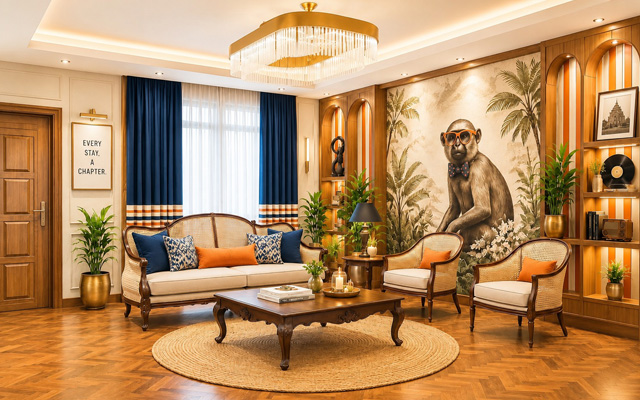
Polo Hotels Group launches boutique brand Chapter Hotels & Resorts
THE NEWS: Polo Hotels Group has launched Chapter Hotels & Resorts, an upscale boutique brand aimed at younger, experience‑led travellers in North‑east...
Read moreDetailsEvery alert that matters — when it happens.

The AI-native edge: What travel can learn from AI-driven companies
PART 1: THE SUMMARY
After two years of funding contraction, travel startups in 2025 face a new landscape where AI is no longer a promise but a core practice. This shift presents a dual opportunity and risk: AI lowers barriers to entry, enabling new, leaner startups to innovate rapidly, but it also floods the market with competitors, forcing established companies to retrofit their legacy platforms.
This new dynamic is changing investor strategy. According to Phocuswright’s “The AI-Native Edge: Travel Startups 2025” report—which draws on a database of over 8,000 companies and a survey of 150 founders—investors are now prioritizing distribution and customer access over purely technical advantages. Chris Hemmeter of Thayer Investment Partners described a “construct and convict” strategy: making small initial investments to get a “seat at the table” before committing larger “conviction checks” to the proven winners.
This environment has popularized “seed-strapping,” where founders use AI to scale quickly to profitability or an exit on a single funding round. While founder optimism remains high (27% expect over 100% growth in 2026), their exit expectations are realistic, with 37% aiming for acquisition by a travel industry company and 24% targeting a $10-$50 million exit. This trend may be ideal for founders and acquirers but presents a challenge for VCs seeking massive, billion-dollar outcomes.
PART 2: ‘KEY DATA & INSIGHTS’ SECTION
Key Data & Insights
Key Quantifiable Data
$10-$50 million exit.$100-$500 million exit.more than $1 billion.three to five years.Key Strategic Insights
Read the Complete Article
THE NEWS: Polo Hotels Group has launched Chapter Hotels & Resorts, an upscale boutique brand aimed at younger, experience‑led travellers in North‑east...
Read moreDetails
Experience the magic of the Nile aboard Kenzy Dahabeya, a luxury boutique sailing cruise that offers an unforgettable journey between...
Read moreDetails