












Sail Through Time: Discover the Timeless Wonders of Upper Egypt Aboard Kenzy Dahabeya
Experience the magic of the Nile aboard Kenzy Dahabeya, a luxury boutique sailing cruise that offers an unforgettable journey between...
Read moreDetails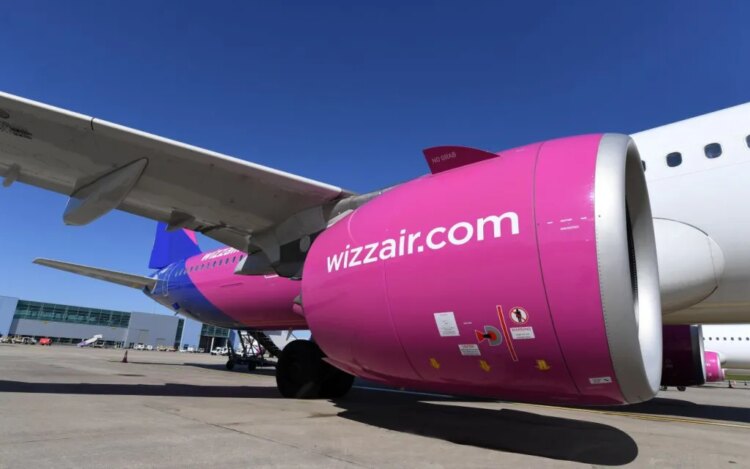
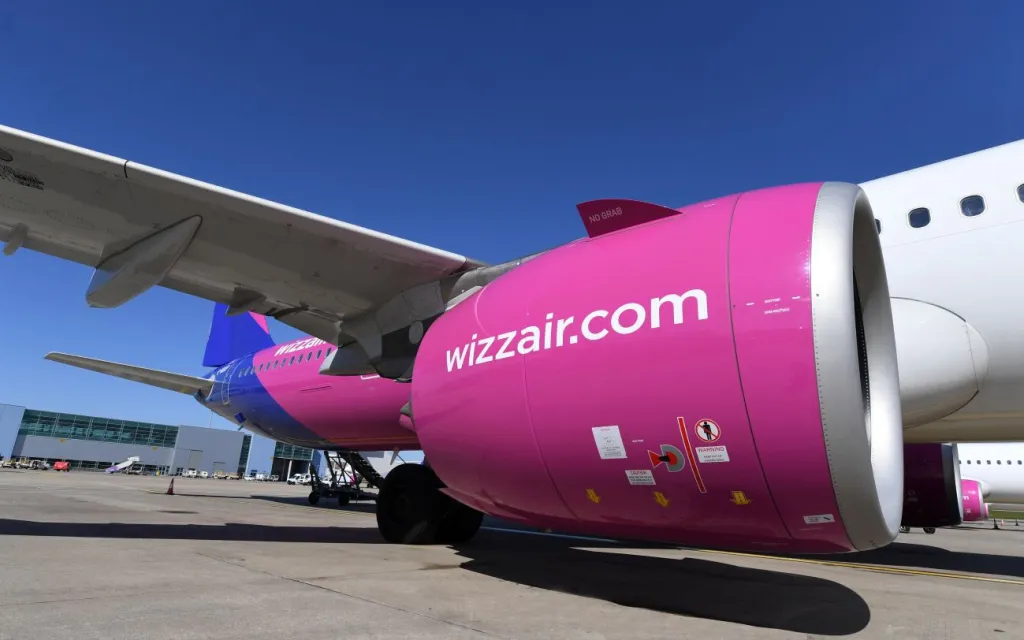
Photo Credit: A Wizz Air Airbus A321neo aircraft. Wizz Air
Comprehensive Summarization:
Wizz Air, the European ultra-low-cost carrier, has sparked speculation about potential scheduled transatlantic flights, although CFO Ian Malin has explicitly ruled out such plans. Instead, the company has opened the door to “opportunistic charter” operations to support the World Cup tournament this summer. Malin addressed rumors by confirming that Wizz Air’s UK unit did not apply for a U.S. Department of Transportation service, emphasizing the company’s current strategic focus.
Key Points:
Actionable Takeaways:
Opportunistic Charter Model: Wizz Air’s consideration of charter operations for the World Cup suggests a flexible approach to market entry, potentially allowing the airline to capitalize on high-demand periods without the long-term commitment of scheduled service. This model could be particularly relevant for airlines looking to test new markets or respond to event-driven demand spikes.
Strategic Focus on Summer Demand: By ruling out scheduled transatlantic flights, Wizz Air is likely focusing its resources on periods of high demand, such as the World Cup. This strategic shift could enhance operational efficiency and financial performance by aligning flight schedules with peak travel periods, a trend increasingly adopted by airlines to optimize resource utilization.
Contextual Insights:
The article reflects the ongoing trend in the travel industry towards flexible and demand-responsive operations, particularly in response to global events like the World Cup. Wizz Air’s strategic decision to avoid scheduled transatlantic flights while exploring charter options highlights a broader industry shift towards agility and responsiveness. This approach aligns with current travel trends, where airlines are increasingly leveraging data analytics and agile scheduling to meet fluctuating demand patterns. Furthermore, the context of the World Cup tournament underscores the importance of event-driven marketing and operational planning in the travel sector, offering insights into how airlines can leverage major events to drive revenue and customer engagement.
Read the Complete Article.
Experience the magic of the Nile aboard Kenzy Dahabeya, a luxury boutique sailing cruise that offers an unforgettable journey between...
Read moreDetails



