













Sail Through Time: Discover the Timeless Wonders of Upper Egypt Aboard Kenzy Dahabeya
Experience the magic of the Nile aboard Kenzy Dahabeya, a luxury boutique sailing cruise that offers an unforgettable journey between...
Read moreDetails
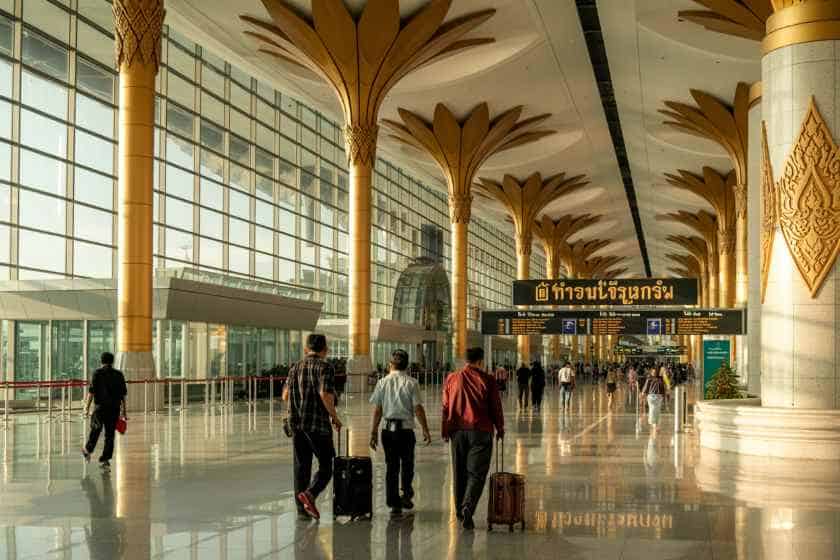
Asia Drives Early 2026 Global Travel Growth as Regional Patterns Shift and Emerging Destinations Gai...
Comprehensive Summarization:
The article highlights the dynamic recovery of global travel in early 2026, with Asia emerging as the primary driver of international tourism growth. This shift is attributed to changes in traveler behavior, enhanced air connectivity, and the increasing appeal of alternative destinations. Established markets are adjusting seasonally, while new regions are gaining momentum. The article underscores the evolving travel landscape, driven by both traditional and emerging destinations, reflecting a broader trend of adaptation and innovation in the travel industry.
Key Points:
Actionable Takeaways:
Contextual Insights:
The article reflects the ongoing recovery of the global travel industry, with Asia playing a pivotal role in this resurgence. The shift in traveler behavior towards seeking new experiences and destinations highlights a broader trend of diversification in travel preferences. The emphasis on air connectivity underscores the importance of efficient and accessible travel options in driving tourism growth. Furthermore, the rise of alternative destinations signals a departure from traditional travel patterns, encouraging innovation in travel planning and marketing strategies. These insights are crucial for stakeholders in the travel industry to adapt their approaches and capitalize on emerging opportunities, ensuring sustained growth and relevance in a rapidly evolving market.
Read the Complete Article.
Experience the magic of the Nile aboard Kenzy Dahabeya, a luxury boutique sailing cruise that offers an unforgettable journey between...
Read moreDetails



