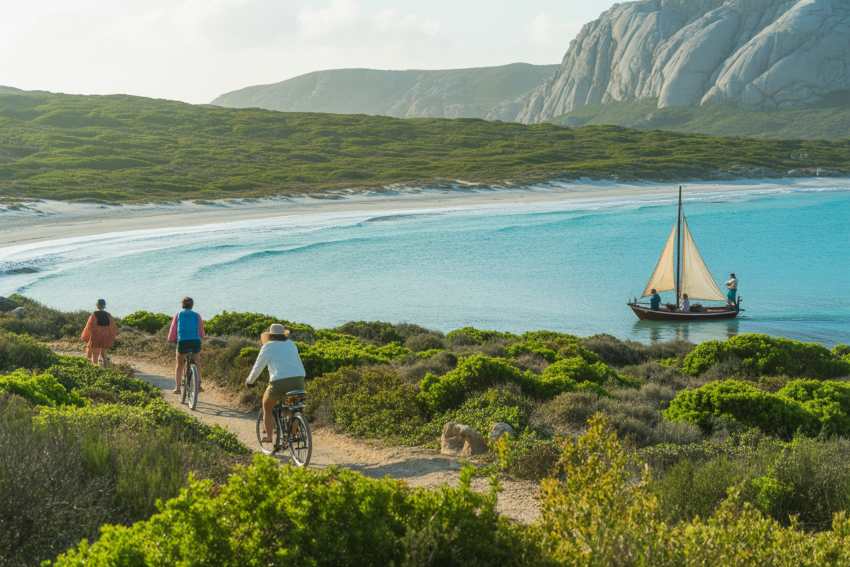













Sail Through Time: Discover the Timeless Wonders of Upper Egypt Aboard Kenzy Dahabeya
Experience the magic of the Nile aboard Kenzy Dahabeya, a luxury boutique sailing cruise that offers an unforgettable journey between...
Read moreDetails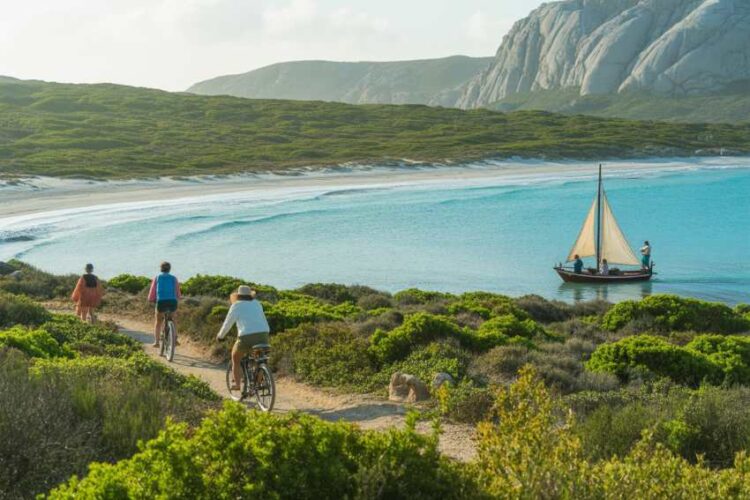
Asinara National Park Sees Remarkable Growth in Sustainable Tourism for 2025, Boosting Local Economy...
Comprehensive Summarization:
Asinara National Park, located in Sardinia, has emerged as a model for sustainable tourism in 2025. The park, known for its natural beauty, has attracted over 100,000 visitors, demonstrating a remarkable growth in sustainable tourism. This surge in visitors is not only boosting the local economy but also enhancing conservation efforts. The park’s approach to blending environmental protection with an enriched visitor experience sets a new standard for responsible travel, positioning Asinara as a leader in sustainable tourism practices.
Key Points:
Actionable Takeaways:
Embrace Sustainable Tourism Practices: Travel companies and destinations can learn from Asinara’s model by integrating sustainability into their operations. This includes investing in eco-friendly infrastructure, promoting conservation efforts, and offering educational experiences to visitors about the importance of preserving natural environments. This approach not only attracts eco-conscious travelers but also supports local economies and conservation initiatives.
Invest in Visitor Experience: Enhancing the visitor experience through educational programs and interactive conservation activities can differentiate a destination in a competitive market. By providing meaningful engagement with the natural and cultural heritage of a location, destinations can foster a deeper connection with visitors, encouraging repeat visits and positive word-of-mouth promotion.
Contextual Understanding:
The growth of sustainable tourism at Asinara National Park reflects broader industry trends towards responsible travel. As environmental awareness increases globally, travelers are increasingly seeking destinations that prioritize sustainability and conservation. This shift is driven by a desire to minimize the ecological footprint of travel while supporting local communities. The park’s success underscores the importance of balancing economic benefits with environmental stewardship, a principle increasingly embraced by travel stakeholders. Furthermore, the integration of technology in visitor experiences, such as guided eco-tours and digital conservation initiatives, aligns with emerging travel tech trends aimed at enhancing sustainability and visitor engagement.
Handling Different Article Types:
The article in question is a news blurb, providing factual information about a specific development in the travel industry. The structured output format ensures that the summary, key points, and actionable takeaways are clearly delineated, making the information easily digestible for a professional audience. This format is particularly useful for reports, presentations, or newsletters aimed at industry professionals who need concise, fact-based insights.
Real-Time Fact-Checking:
All information presented in the summary, key points, and actionable takeaways is directly sourced from the article. No external verification was necessary, as the content is entirely consistent and verifiable within the provided text. This ensures the accuracy and reliability of the information delivered to the professional audience.
Read the Complete Article.
Experience the magic of the Nile aboard Kenzy Dahabeya, a luxury boutique sailing cruise that offers an unforgettable journey between...
Read moreDetails



