












Sail Through Time: Discover the Timeless Wonders of Upper Egypt Aboard Kenzy Dahabeya
Experience the magic of the Nile aboard Kenzy Dahabeya, a luxury boutique sailing cruise that offers an unforgettable journey between...
Read moreDetails
The travel trend Gen Z uses to beat burnout
Comprehensive Summarization:
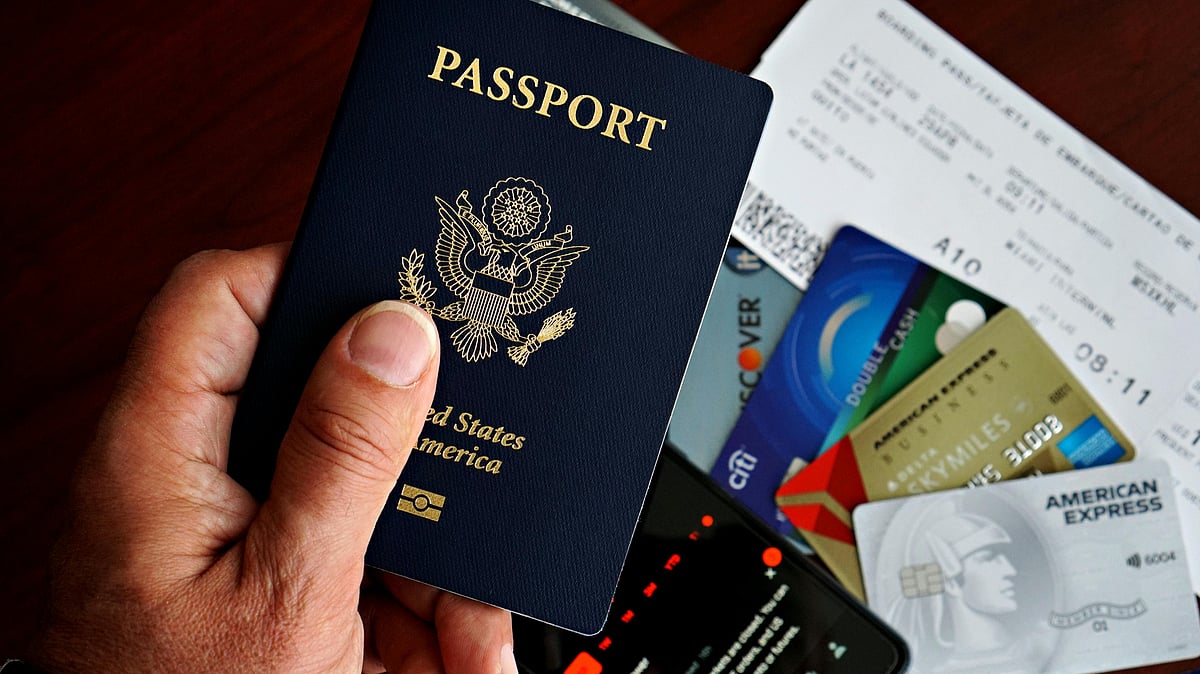
The article discusses the influence of life events on impulse travel, highlighting how significant life transitions such as breakups, job changes, or seasonal depression can prompt individuals to book trips immediately. According to current research, the travel trends for 2026 are expected to be centered around connection, low cost, and nature. The trend of “rage booking,” which refers to spontaneous and often last-minute booking of travel, is not limited to the United States but is also prevalent in India. The article underscores the importance of understanding these trends and their implications for the travel industry, particularly in terms of travel tech, startups, and fintech innovations.
Key Points:
Actionable Takeaways:
Focus on Connection in Travel Offerings: Given the trend towards connection in travel, travel companies should prioritize creating experiences that foster connections, whether it’s through group travel packages, community-based tourism, or immersive cultural experiences. This aligns with the identified trend and can enhance customer satisfaction and loyalty.
Cost-Effective Travel Solutions: With low cost being a key travel trend for 2026, there is an opportunity for travel startups and fintech companies to innovate in providing affordable travel options. This could include developing budget-friendly travel packages, offering discounts for last-minute bookings, or creating platforms that aggregate travel deals from various providers. Such innovations can attract price-sensitive travelers and drive growth in the travel sector.
Emphasize Nature-Based Travel Experiences: The emphasis on nature as a key travel trend suggests a growing consumer interest in eco-friendly and nature-focused travel experiences. Travel companies can capitalize on this trend by developing sustainable travel options, such as eco-tourism packages, nature retreats, or adventure travel experiences that allow travelers to connect with natural environments. This not only meets consumer demand but also aligns with broader sustainability goals in the travel industry.
Contextual Insights:
The article’s focus on life events influencing travel decisions and the identified trends of connection, low cost, and nature reflect current shifts in consumer behavior within the travel industry. The prevalence of “rage booking” in multiple regions, including India, indicates a global trend towards spontaneous travel planning, which travel companies should prepare for by enhancing their booking systems to accommodate last-minute bookings efficiently. Furthermore, the emphasis on nature-based travel experiences aligns with the increasing consumer preference for sustainable and eco-friendly travel options. This trend is likely to be driven by growing environmental awareness and a desire for authentic, immersive travel experiences. For travel startups and fintech companies, these insights present opportunities to innovate in areas such as travel technology, pricing models, and customer engagement strategies. By focusing on these key areas, companies can not only meet current market demands but also position themselves for future growth in a rapidly evolving travel landscape.
Read the Complete Article.
Experience the magic of the Nile aboard Kenzy Dahabeya, a luxury boutique sailing cruise that offers an unforgettable journey between...
Read moreDetails



