












Comprehensive Summarization:
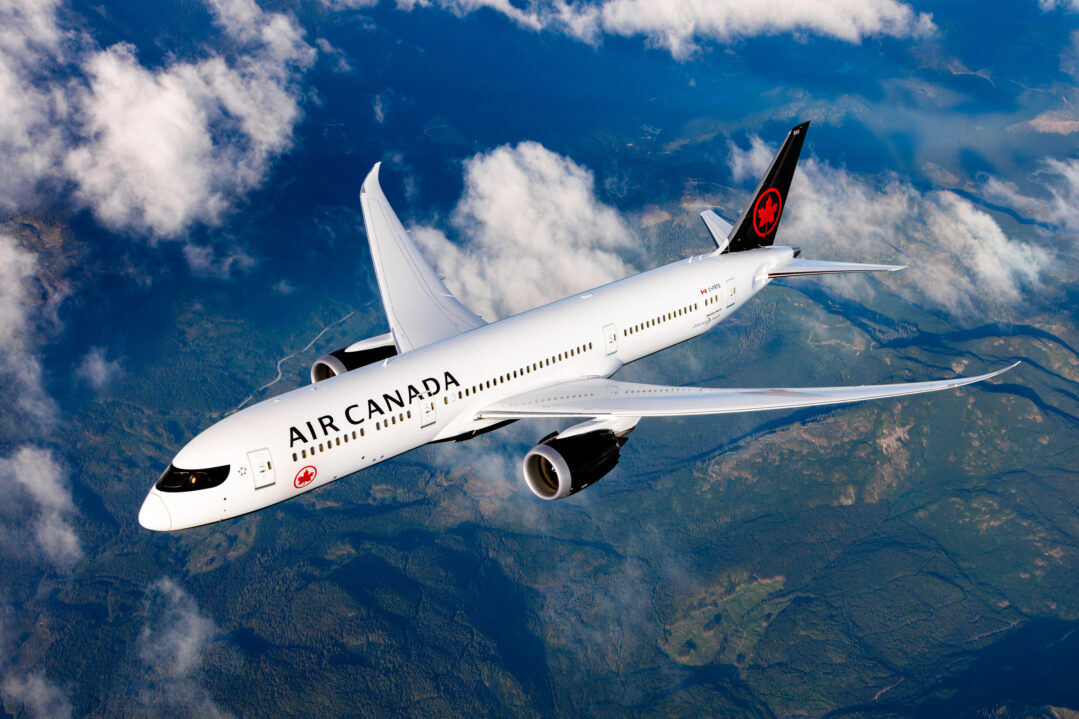
Air Canada has announced the cancellation of its planned summer nonstop flights between Canada and the United States, following similar decisions by other carriers such as WestJet and Air Transat. This shift highlights a significant reduction in air service between the two countries, primarily due to a decline in demand for travel to the U.S. The cancellation of the Montréal–Trudeau International Airport (YUL) to Seattle-Tacoma International Airport (SEA) route, which was set to commence on May 1, has effectively removed this service from Air Canada’s offerings. This development underscores broader industry trends of reduced air travel between North America, influenced by fluctuating travel demands and possibly exacerbated by external factors such as economic conditions or geopolitical events.
Key Points:
- Air Canada has canceled its planned summer nonstop flights between Canada and the U.S., impacting routes like Montréal–Trudeau (YUL) to Seattle-Tacoma (SEA).
- Similar decisions by other carriers, including WestJet and Air Transat, indicate a broader industry trend of reduced air service between the two countries.
- The cancellation is attributed to a waning demand for travel to the U.S., reflecting broader industry challenges.
Actionable Takeaways:
-
Reassess Travel Plans: Travelers should consider alternative routes or modes of transportation, as the cancellation of these nonstop flights may disrupt travel itineraries. This could lead to increased demand for connecting flights or longer travel times, prompting airlines to innovate in terms of route optimization and service offerings.
-
Monitor Industry Trends: The trend of reduced air service between North America suggests a need for airlines to adapt quickly to changing consumer demands. This could involve investing in technology to enhance customer experience, exploring new market segments, or partnering with other carriers to maintain service levels.
-
Focus on Value-Added Services: Given the reduced air service, airlines may need to differentiate themselves through enhanced in-flight services, loyalty programs, or exclusive travel benefits. This could help retain customers and attract new ones in a competitive market.
Contextual Understanding:
The cancellation of these flights is part of a larger industry trend where airlines are adjusting their routes and schedules in response to fluctuating travel demands. Recent events, such as economic uncertainties or changes in travel policies, can significantly impact consumer travel behavior. Technological advancements in travel planning and booking platforms have also empowered consumers to make more informed decisions, often opting for alternative routes or modes of transport when direct flights are unavailable. Thought leaders in the travel industry emphasize the importance of agility and innovation in navigating such disruptions, suggesting that airlines must continuously adapt their strategies to meet evolving consumer needs and preferences.
Handling Different Article Types:
The article in question is a news blurb, providing factual information about a specific development within the air travel industry. The structured approach outlined above is tailored to such articles, ensuring that the summary, key points, and actionable takeaways are concise, fact-based, and directly relevant to the professional audience. For opinion pieces or feature articles, the analysis might delve deeper into the underlying causes, expert opinions, or potential future implications, but the core methodology of extracting key points and actionable insights remains consistent.
Read the Complete Article.



