












Article Summary:
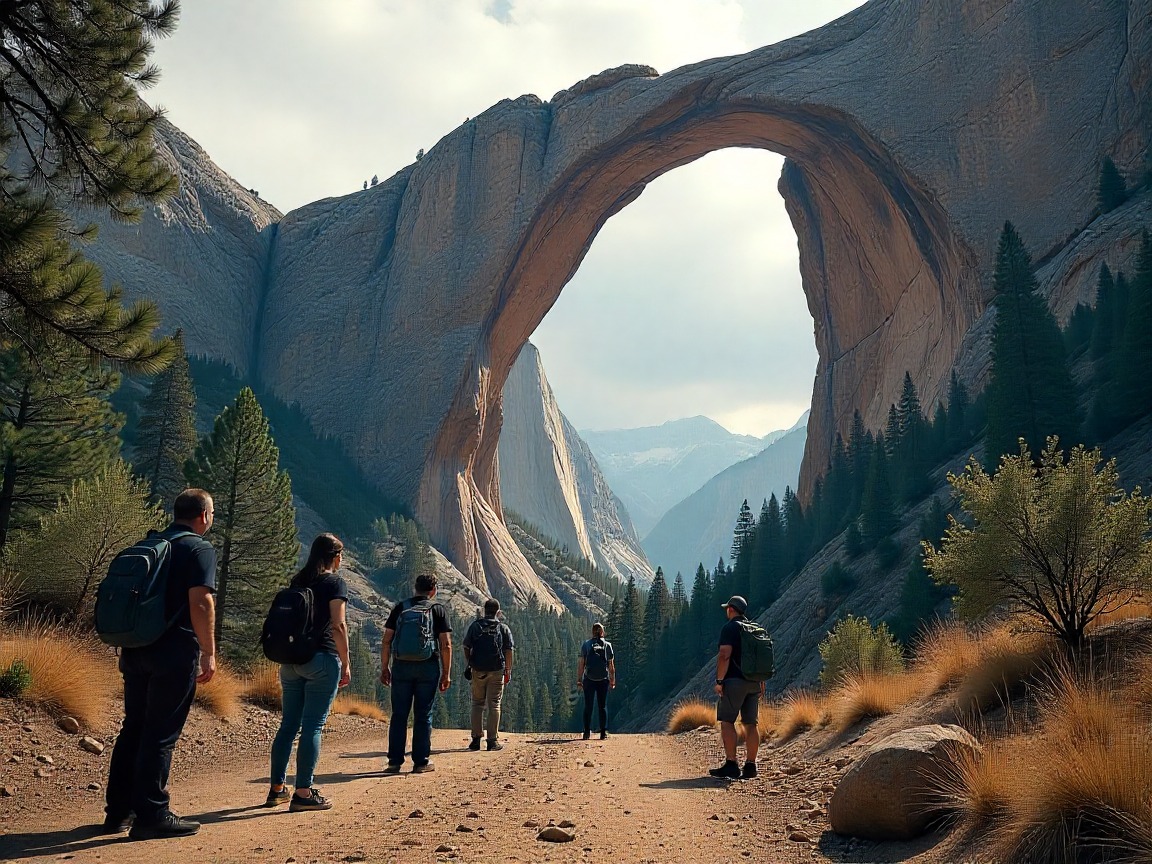
Yosemite National Park’s iconic Royal Arches have developed a rapidly expanding crack, raising global travel concerns. This geological event has prompted Air Canada and U.S. airlines to brace for a potential decline in international visitors, as the uncertainty surrounding the park’s safety impacts hotel bookings and tourism infrastructure. The situation underscores the vulnerability of natural attractions to geological changes and highlights the ripple effects these changes can have on the travel industry, particularly in terms of visitor numbers and associated revenue streams.
Key Points:
- The Royal Arches formation in Yosemite National Park has developed a widening crack, first noticed in 2023, which has rapidly expanded.
- Park officials have closed several popular trails and climbing routes due to safety concerns.
- Air Canada and U.S. airlines are preparing for a potential decline in international visitors to Yosemite due to the park’s safety risks.
- The uncertainty surrounding the park’s safety is causing uncertainty in hotel bookings and tourism infrastructure.
Actionable Takeaways:
- Risk Management in Tourism: Travel companies should develop contingency plans for natural attractions with geological risks. This includes flexible booking policies, insurance options for travelers, and real-time updates on park conditions to manage visitor expectations and minimize cancellations.
- Impact on Travel Startups: The article highlights the vulnerability of tourism infrastructure to natural events. Startups in the travel tech sector could focus on developing predictive analytics tools that monitor geological changes in real-time, helping travel companies adjust their offerings and pricing dynamically based on safety assessments.
- Fintech Innovations: With potential declines in visitor numbers, there’s an opportunity for fintech companies to innovate in the area of travel insurance. Developing insurance products that offer coverage for cancellations due to natural disasters or geological risks could help mitigate financial losses for both travelers and tourism businesses.
Contextual Insights:
The article reflects current industry trends where natural attractions are increasingly at risk due to geological changes, a trend exacerbated by climate change. This situation is not unique to Yosemite; similar concerns have been raised about other natural landmarks worldwide. Experts predict that as climate change progresses, more natural attractions will face similar risks, leading to a shift in travel preferences towards more stable, man-made attractions. Travel companies that adapt quickly to these changes, leveraging technology and innovative business models, will be better positioned to maintain their market share and profitability. The focus on risk management and the adoption of predictive technologies represent forward-looking strategies that could shape the future of the travel industry, particularly in regions heavily reliant on natural attractions.
Read the Complete Article.



