









Comprehensive Summarization:
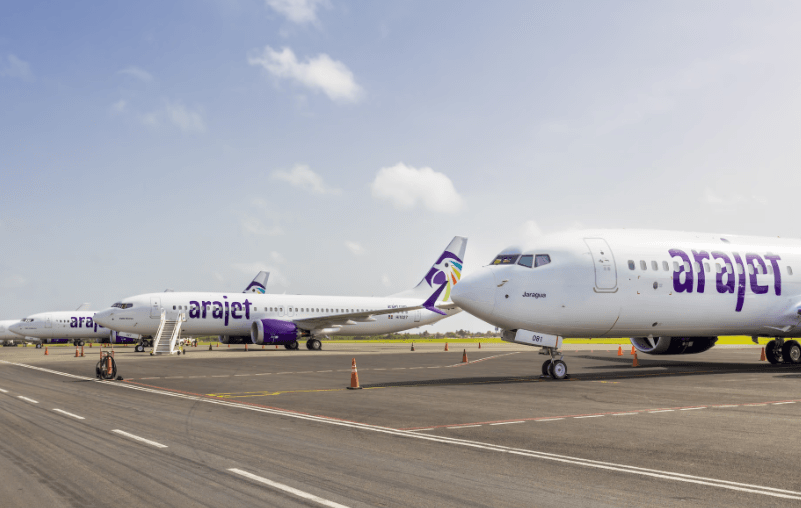
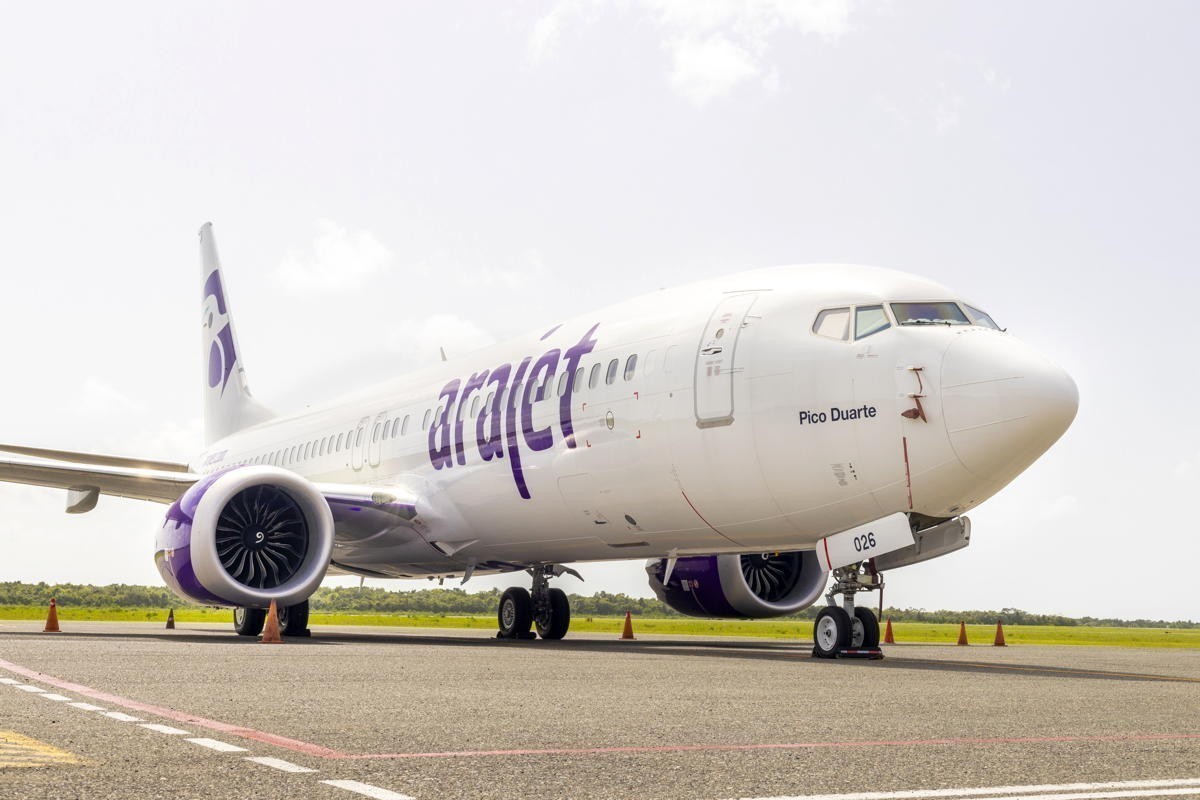
Boeing Global Services is set to host a one-hour webinar on April 21, 2026, titled “Miami Campus Experience: The Evolution from Task-Based to Competency-Based Pilot Training.” The webinar will feature a case study on Dominican Republic carrier Arajet’s transition to Competency-Based Training and Assessment (CBTA) methodology. The session will delve into three core topics: an overview of Boeing’s Miami Campus training facilities, simulators, and training ecosystem; the benefits and methodology of CBTA; and insights into Arajet’s successful transition. This event is expected to provide valuable insights into the evolving landscape of pilot training, highlighting the shift towards competency-based approaches and the role of advanced training facilities in modern aviation education.
Key Points:
- Boeing Global Services is hosting a webinar on April 21, 2026, focusing on the transition from task-based to competency-based pilot training.
- The webinar will feature a case study on Arajet’s shift to Competency-Based Training and Assessment (CBTA) methodology.
- The session will cover Boeing’s Miami Campus training facilities, simulators, and the broader training ecosystem.
- Key topics include the benefits of CBTA and insights into Arajet’s successful transition to this model.
Actionable Takeaways:
-
Adopt Competency-Based Training Models: Airlines and training institutions should consider transitioning to competency-based training models to enhance pilot skill development and ensure a more standardized and effective training process. This shift aligns with industry trends towards more efficient and outcome-focused training methodologies.
-
Invest in Advanced Training Facilities: The webinar highlights the importance of state-of-the-art training facilities, such as those at Boeing’s Miami Campus. Investing in advanced simulators and training ecosystems can significantly improve pilot readiness and operational safety, making it a strategic priority for aviation companies.
-
Leverage Case Studies for Best Practices: The case study on Arajet provides a practical example of successful CBTA implementation. Airlines can use such case studies to identify best practices and tailor their training programs to achieve similar outcomes, enhancing operational efficiency and pilot performance.
Contextual Insights:
The webinar reflects a broader industry trend towards competency-based training, driven by the need for more efficient, outcome-focused education in aviation. As the travel industry continues to evolve, with a focus on safety, efficiency, and skill enhancement, adopting such models becomes increasingly relevant. The emphasis on Boeing’s Miami Campus facilities underscores the growing importance of technological integration in training, suggesting that innovation in training infrastructure will be a key driver of future advancements in aviation education. Furthermore, the focus on Arajet’s transition highlights the potential for airlines to learn from real-world case studies, providing actionable insights for operational improvements and competitive advantage. Overall, the webinar serves as a timely resource for professionals in the travel industry, offering forward-looking perspectives on the future of pilot training and its alignment with broader industry trends.
Read the Complete Article.






