
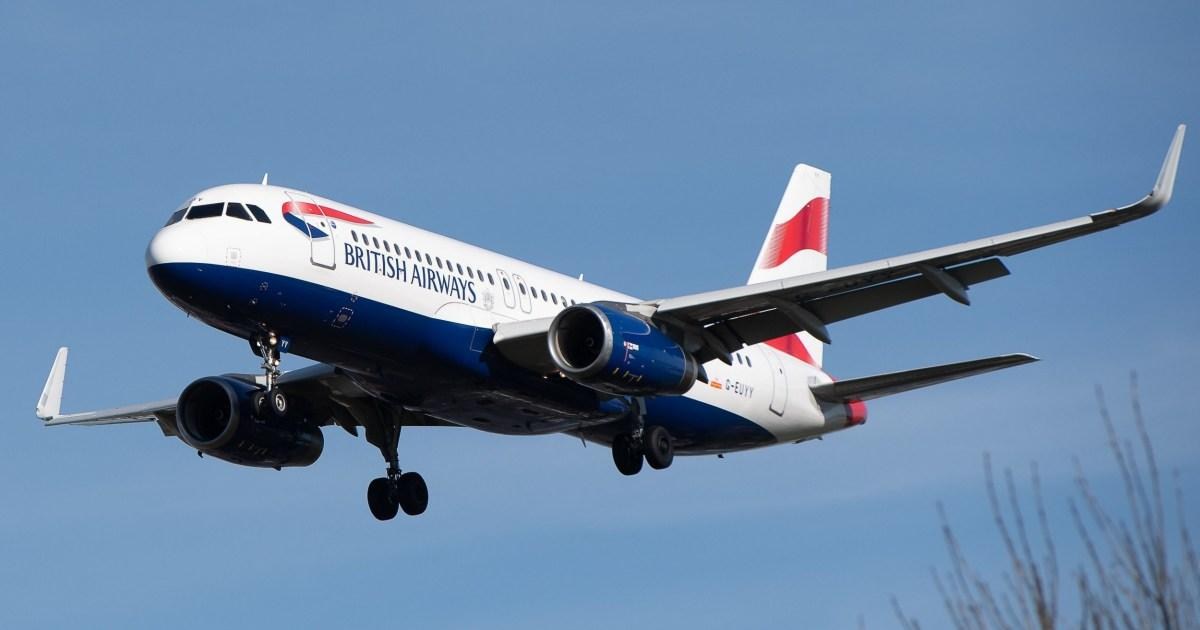
British Airways reports seconds-from-disaster flight mayday over London
THE NEWS: A British Airways Airbus A320 on flight BA919 dropped 800 ft during a second approach over London on July 6, coming...
Read moreDetails
British Airways bans viola - Slippedisc
British Airways has recently implemented a significant policy change, effectively banning violas from its aircraft, regardless of size or case. This development, reported by Slippedisc.com, has sent ripples through the classical music community, raising questions about accessibility and the future of air travel for musicians. Previously, while restrictions existed, violas were generally permitted as carry-on items, often within specific dimensions or with special arrangements. The new blanket ban, however, presents a substantial challenge for performers and ensembles relying on British Airways for their travel.
The airline’s rationale, as understood from industry discussions, appears to stem from evolving cabin baggage regulations and a desire for standardization. The intricate dimensions and often bulky nature of viola cases, even when compared to violins, may have led to a decision to simplify cabin management. This move, while potentially streamlining operations for the airline, could have a disproportionately negative impact on musicians who depend on these instruments for their livelihood and artistic expression.
This policy shift is not just an inconvenience; it represents a broader trend in air travel where specialized needs are increasingly being deprioritized in favor of mass passenger experience and operational efficiency. For many musicians, particularly those who don’t travel with major orchestras or on dedicated charter flights, navigating these evolving airline policies is becoming a critical concern. The cost and logistics of checking a valuable instrument like a viola, often requiring specialized crates and insurance, can be prohibitive and increase the risk of damage.
The implications of this ban extend beyond individual musicians. It could influence how ensembles plan tours, potentially leading to a preference for airlines with more accommodating policies for musical instruments. It also highlights a need for greater dialogue between the aviation industry and the arts sector to find mutually beneficial solutions. Without accessible and reliable air travel, the reach and diversity of classical music performances could be inadvertently curtailed.
This policy change serves as a stark reminder for travel professionals and musicians alike to stay informed about airline regulations and to actively seek out carriers and travel arrangements that cater to the unique requirements of transporting musical instruments. The ability to perform globally is intrinsically linked to the ability to travel with one’s instruments, and restrictions like this necessitate a proactive approach to travel planning.
Read the Complete Article.
THE NEWS: A British Airways Airbus A320 on flight BA919 dropped 800 ft during a second approach over London on July 6, coming...
Read moreDetails
Experience the magic of the Nile aboard Kenzy Dahabeya, a luxury boutique sailing cruise that offers an unforgettable journey between...
Read moreDetails





