
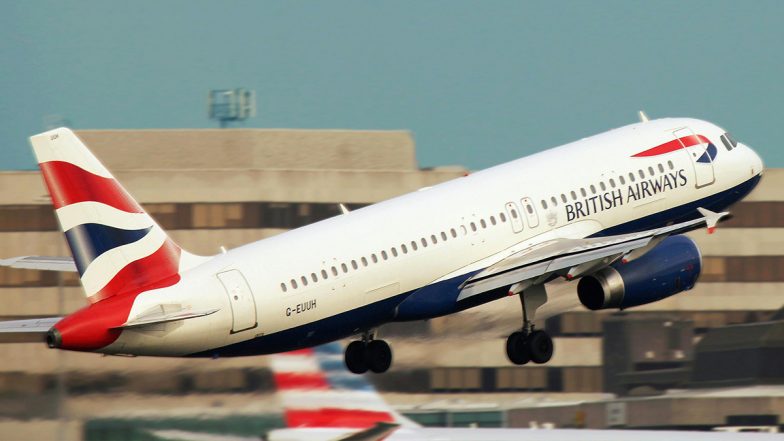
British Airways must refund INR 1.7 Lakh to Mohali passenger
THE NEWS: British Airways was ordered by the Mohali consumer commission to refund more than INR 1.7 lakh to a passenger who...
Read moreDetailsEvery alert that matters — when it happens.

A British Airways stewardess was sacked for being 'too anxious' to fly. Picture: Alamy
A recent incident involving a British Airways flight attendant’s dismissal has sparked debate about workplace support for mental health. The attendant, who claims to have been sacked due to anxiety, alleges a lack of adequate support from the airline during a period of personal distress. This situation raises critical questions for the travel industry regarding employee well-being and the practical application of mental health policies.
The core of the issue revolves around the employee’s alleged anxiety and the subsequent disciplinary action taken by British Airways. While the specifics of the case remain detailed, the narrative centers on the attendant’s struggle with their mental health and their perception of being unfairly dismissed. This highlights a broader challenge faced by many industries, including aviation, where demanding work environments can exacerbate pre-existing conditions or contribute to the development of mental health issues.
For airlines, the role of a flight attendant is multifaceted and requires a high degree of resilience. They are responsible for passenger safety and comfort, often in stressful and unpredictable situations. This necessitates a workforce that is not only physically fit but also mentally robust. The incident underscores the importance of robust support systems that can identify and assist employees experiencing mental health difficulties before they reach a crisis point.
Experts in occupational health often emphasize the need for proactive measures. This can include regular mental health check-ins, access to counseling services, and clear pathways for employees to report and manage mental health concerns without fear of reprisal. For employers, investing in such programs is not just about compliance; it’s about fostering a healthy and productive work environment, reducing absenteeism, and improving overall employee retention.
The aviation sector, with its unique pressures – long hours, irregular schedules, time away from home, and the responsibility for large numbers of people – presents a particularly challenging context for mental well-being. Incidents like this serve as a stark reminder that the human element is as crucial as operational efficiency. Airlines need to continuously evaluate and enhance their mental health support frameworks to ensure they are effectively meeting the needs of their staff.
This case, while specific to one individual, has wider implications for how organizations in the travel industry approach mental health. It prompts a re-evaluation of disciplinary procedures in light of mental health challenges and encourages a more compassionate and understanding approach. Ultimately, a focus on employee well-being is not just a moral imperative but a strategic necessity for sustainable success in the competitive travel landscape.
The article does not provide specific revenue numbers, KPI’s, or detailed data points related to British Airways’ financial performance or operational metrics. It focuses on an individual employee’s dismissal and their claims of anxiety. Therefore, no quantifiable figures or key performance indicators can be extracted from the provided content to list in this section.
Read the Complete Article.
THE NEWS: British Airways was ordered by the Mohali consumer commission to refund more than INR 1.7 lakh to a passenger who...
Read moreDetails

Experience the magic of the Nile aboard Kenzy Dahabeya, a luxury boutique sailing cruise that offers an unforgettable journey between...
Read moreDetails





