













Sail Through Time: Discover the Timeless Wonders of Upper Egypt Aboard Kenzy Dahabeya
Experience the magic of the Nile aboard Kenzy Dahabeya, a luxury boutique sailing cruise that offers an unforgettable journey between...
Read moreDetails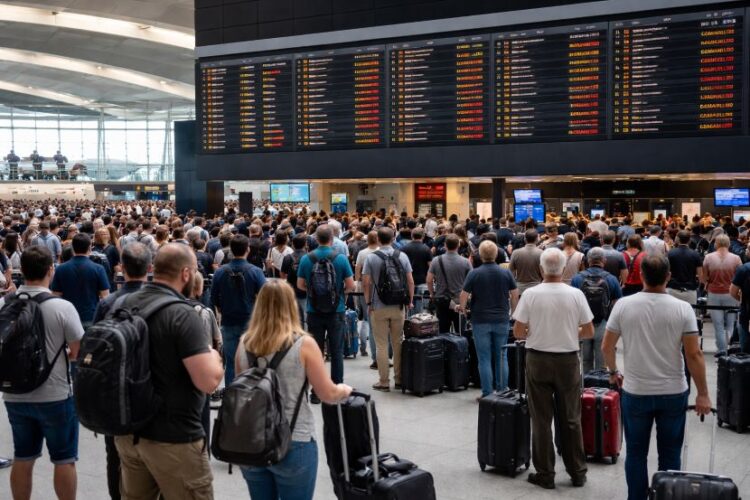
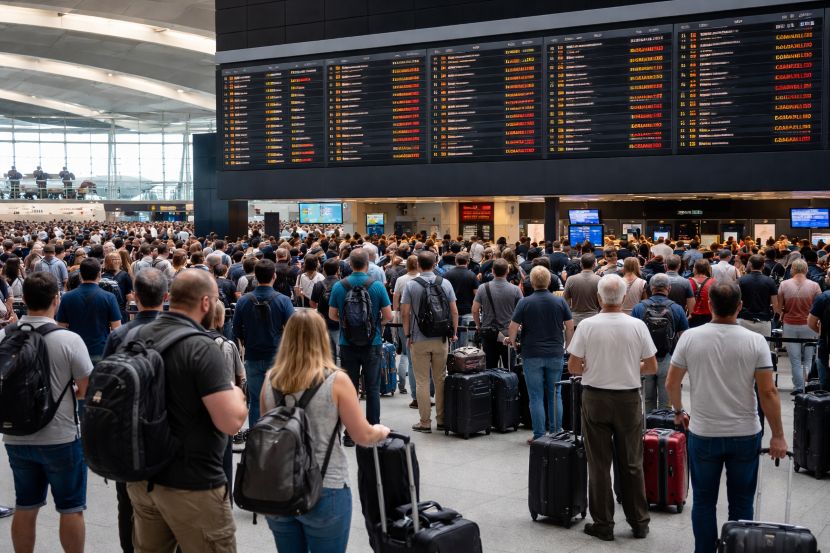
Travel distruptions at London Heathrow as Gulf Air, Virgin Atlantic, British Airways, and More Face1...
Comprehensive Summarization:
The article reports significant travel disruptions at London Heathrow Airport on March 16, 2026, due to 126 delayed flights and 17 cancellations. The disruptions primarily affected Gulf Air, Virgin Atlantic, British Airways, and other airlines, impacting routes to New York, Dubai, Paris, and other US cities. The busy nature of London Heathrow, one of the world’s busiest airports, exacerbates the impact of these disruptions. The article underscores the challenges faced by airlines and travelers during peak travel periods and highlights the importance of efficient airport operations and contingency planning.
Key Points:
Actionable Takeaways:
Enhanced Airport Operations: Implementing advanced scheduling and real-time monitoring systems can help airlines better manage flight operations during peak periods, reducing the likelihood of delays and cancellations. This is crucial for maintaining passenger satisfaction and operational efficiency.
Improved Communication Strategies: Airlines should enhance communication with passengers regarding potential delays and cancellations. Proactive and transparent communication can mitigate passenger frustration and improve overall travel experience.
Investment in Technology: Investing in cutting-edge airport technology, such as AI-driven predictive analytics for flight scheduling and automated passenger information systems, can help airlines proactively address potential disruptions and improve operational resilience.
Contextual Insights:
The disruptions at London Heathrow underscore the vulnerabilities of major airports during peak travel seasons. The article reflects broader industry trends where technological advancements and operational efficiencies are critical to managing the complexities of global air travel. As the travel industry continues to evolve, the integration of innovative solutions—such as AI and real-time data analytics—will be essential for airlines to navigate challenges and maintain competitive advantage. Thought leaders emphasize the importance of agile operational strategies and customer-centric communication in mitigating the impact of travel disruptions, ensuring that the travel experience remains seamless and reliable for passengers.
Read the Complete Article.
Experience the magic of the Nile aboard Kenzy Dahabeya, a luxury boutique sailing cruise that offers an unforgettable journey between...
Read moreDetails



