









Sail Through Time: Discover the Timeless Wonders of Upper Egypt Aboard Kenzy Dahabeya
Experience the magic of the Nile aboard Kenzy Dahabeya, a luxury boutique sailing cruise that offers an unforgettable journey between...
Read moreDetails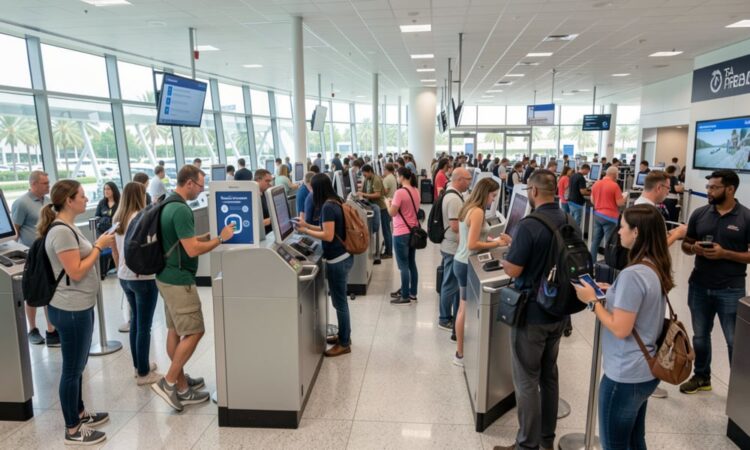
Delta Airlines Joins American, United, Southwest, JetBlue, and Alaska in Urgent High-Pressure Demand...
Comprehensive Summarization:
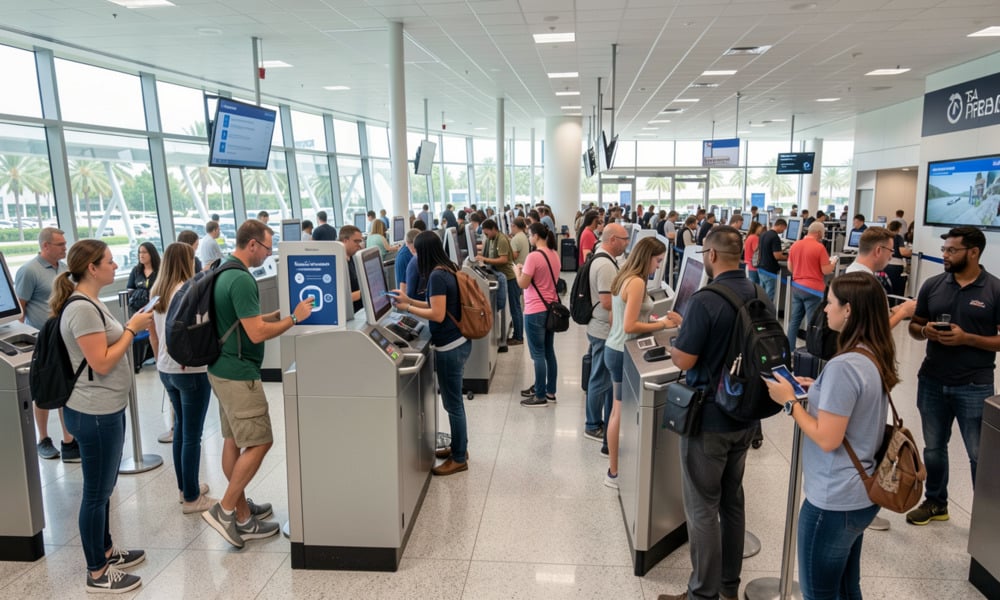
Delta Airlines, alongside American, United, Southwest, JetBlue, and Alaska Airlines, has collectively urged the urgent termination of the TSA shutdown. This demand is prompted by the significant disruptions caused by the ongoing shutdown, which is leading to widespread chaos and delays across U.S. airports. The article, published on March 16, 2026, highlights the unprecedented impact of the TSA shutdown on air travel, emphasizing the need for immediate resolution to restore normalcy in the travel industry.
Key Points:
Urgent Demand for TSA Shutdown Resolution: Delta Airlines, along with several other major airlines, has collectively demanded an immediate end to the TSA shutdown due to the severe disruptions it is causing across U.S. airports.
Impact on Air Travel: The ongoing shutdown is triggering nationwide air travel chaos, resulting in significant delays and disruptions for passengers and airlines alike.
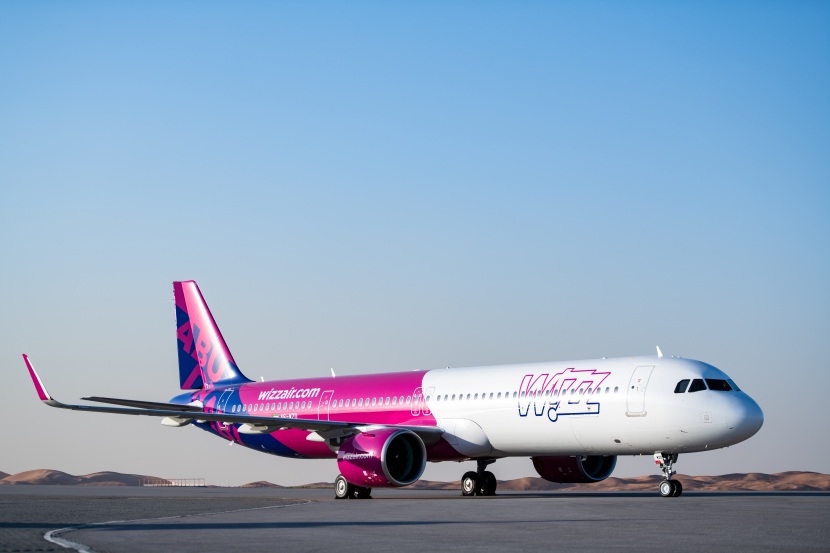
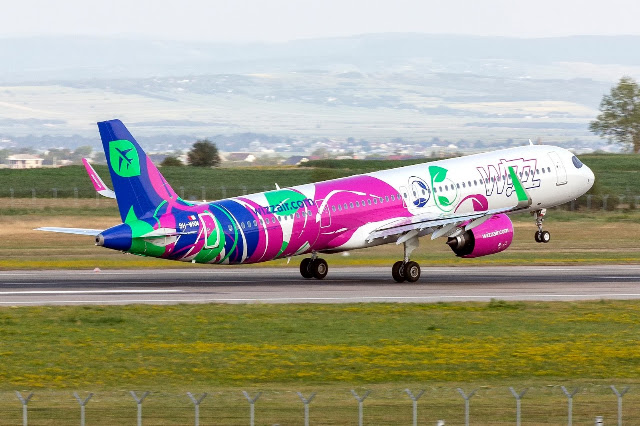
Affected Airlines: The airlines involved in the demand include Delta, American, United, Southwest, JetBlue, and Alaska Airlines, indicating a broad industry-wide concern over the TSA shutdown’s impact.
Actionable Takeaways:
Immediate Action Required: Airlines must take immediate steps to lobby for the resolution of the TSA shutdown. This could involve direct communication with government officials, public advocacy, and leveraging their collective influence to expedite the shutdown’s termination.
Enhanced Passenger Communication: Airlines should improve communication strategies to keep passengers informed about potential delays and disruptions caused by the TSA shutdown. Transparent communication can help manage passenger expectations and reduce frustration.
Collaborative Industry Response: The airlines should consider collaborating with other stakeholders, including travel tech companies and government agencies, to develop contingency plans and solutions that mitigate the impact of future shutdowns or disruptions.
Contextual Insights:
The article reflects the current state of the travel industry, where regulatory issues such as the TSA shutdown can have far-reaching consequences on air travel operations. The demand for resolution from multiple major airlines underscores the critical role of regulatory bodies in maintaining the smooth functioning of air travel. This situation also highlights the importance of proactive communication and collaboration within the industry to manage and mitigate the impacts of such disruptions. Looking forward, the article suggests that the travel industry must remain vigilant and adaptable to regulatory changes and potential future disruptions, emphasizing the need for robust contingency planning and enhanced stakeholder collaboration.
Read the Complete Article.
Experience the magic of the Nile aboard Kenzy Dahabeya, a luxury boutique sailing cruise that offers an unforgettable journey between...
Read moreDetails



