









Sail Through Time: Discover the Timeless Wonders of Upper Egypt Aboard Kenzy Dahabeya
Experience the magic of the Nile aboard Kenzy Dahabeya, a luxury boutique sailing cruise that offers an unforgettable journey between...
Read moreDetails
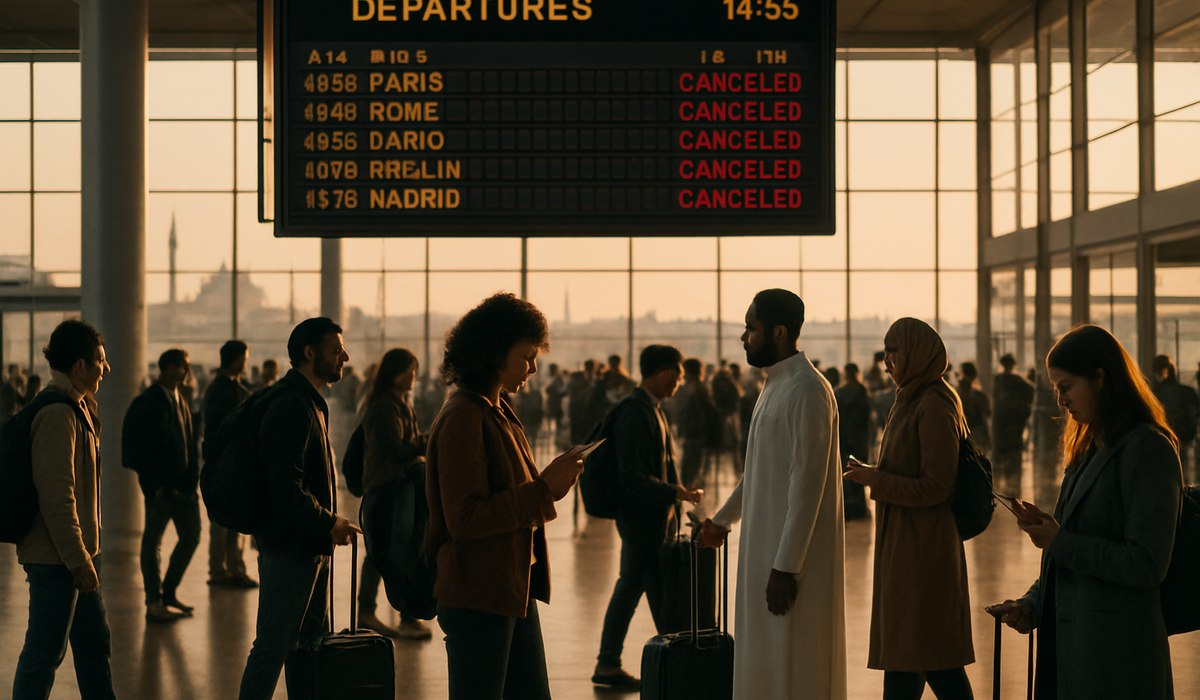
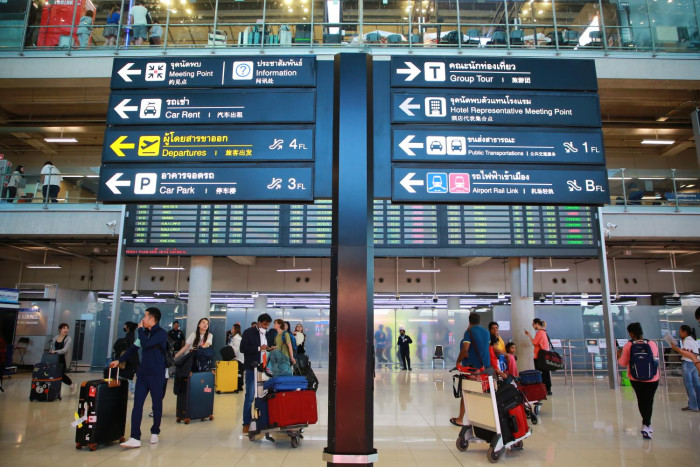
Istanbul Flight Cancellations Leave Hundreds Stranded Across Europe and Middle East
Comprehensive Summarization:
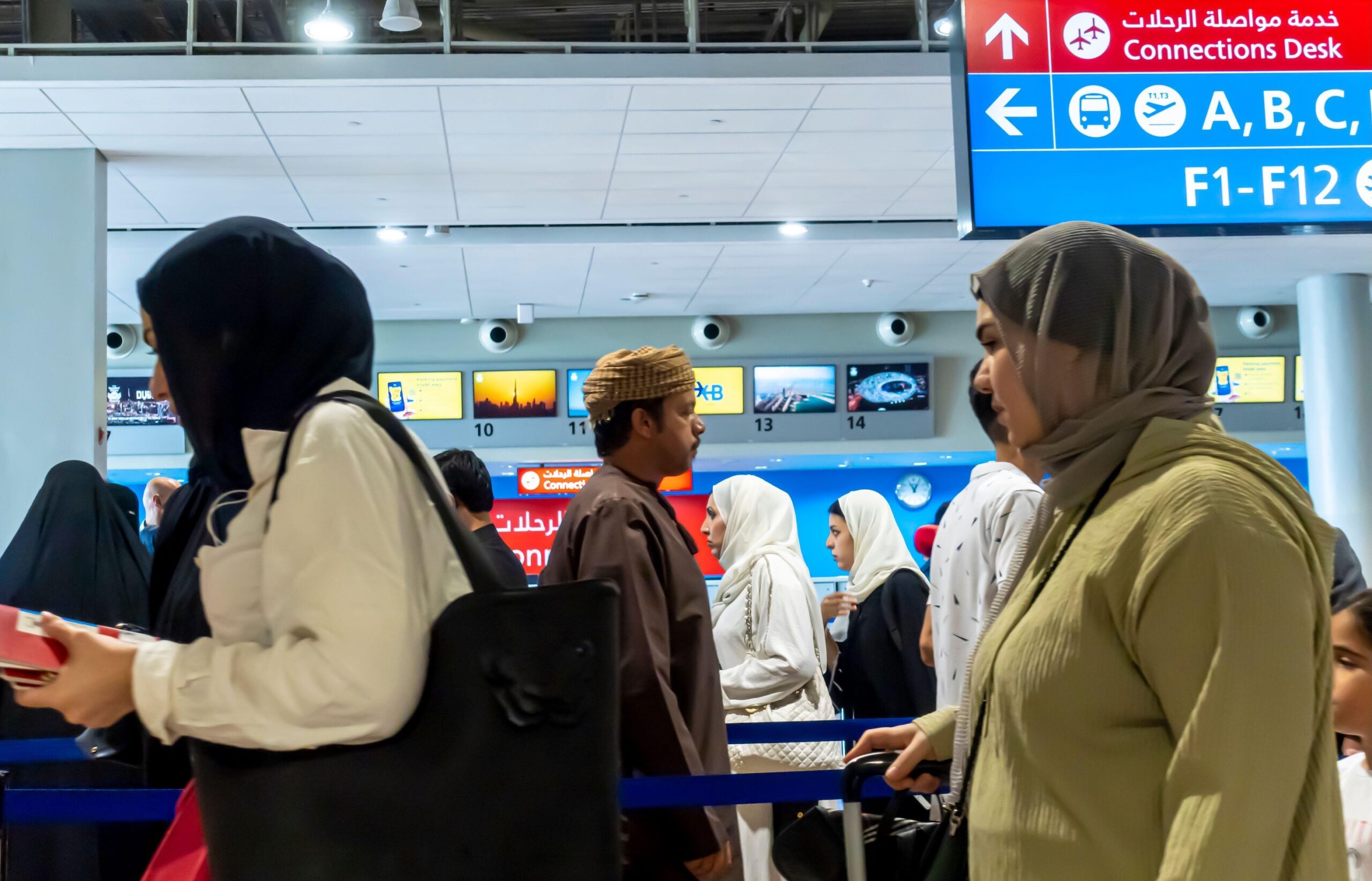
Istanbul Airport is currently experiencing operational disruptions due to the withdrawal of critical connecting flights by major carriers Flydubai and Air France. This has left hundreds of passengers stranded across Europe, the Middle East, and Asia, forcing them to navigate last-minute rebookings and extended layovers. The situation underscores the impact of regional airspace restrictions on travel operations. The article also touches on broader travel trends and insights from thought leaders, highlighting the challenges and potential opportunities in the travel industry amidst such disruptions.
Key Points:
Actionable Takeaways:
Implement Flexible Rebooking Policies: Airlines should develop flexible rebooking policies to minimize passenger inconvenience during operational disruptions. This can enhance customer satisfaction and loyalty, especially in the face of frequent cancellations.
Invest in Real-Time Tracking Systems: Utilizing real-time tracking systems can help airlines and passengers stay informed about flight statuses, enabling proactive rebooking and reducing the impact of cancellations on travel plans.
Enhance Communication Strategies: Airlines should improve communication strategies to promptly inform passengers about cancellations and provide clear guidance on rebooking options. Effective communication can mitigate frustration and maintain trust in the airline brand.
Contextual Insights:
The disruptions at Istanbul Airport underscore the vulnerabilities in the global travel ecosystem, particularly in regions with complex airspace restrictions. This situation highlights the importance of robust contingency planning and the role of technology in managing travel disruptions. As the travel industry continues to evolve, innovations in travel tech, such as AI-driven rebooking systems and enhanced communication platforms, will be crucial in navigating future challenges. Startups focusing on travel solutions, particularly those leveraging fintech innovations, are poised to play a significant role in adapting to these disruptions and improving the overall travel experience.
Read the Complete Article.
Experience the magic of the Nile aboard Kenzy Dahabeya, a luxury boutique sailing cruise that offers an unforgettable journey between...
Read moreDetails



