









Sail Through Time: Discover the Timeless Wonders of Upper Egypt Aboard Kenzy Dahabeya
Experience the magic of the Nile aboard Kenzy Dahabeya, a luxury boutique sailing cruise that offers an unforgettable journey between...
Read moreDetails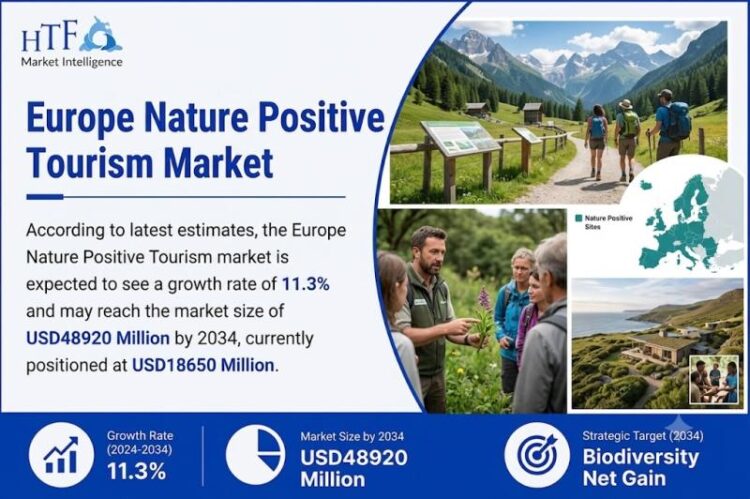
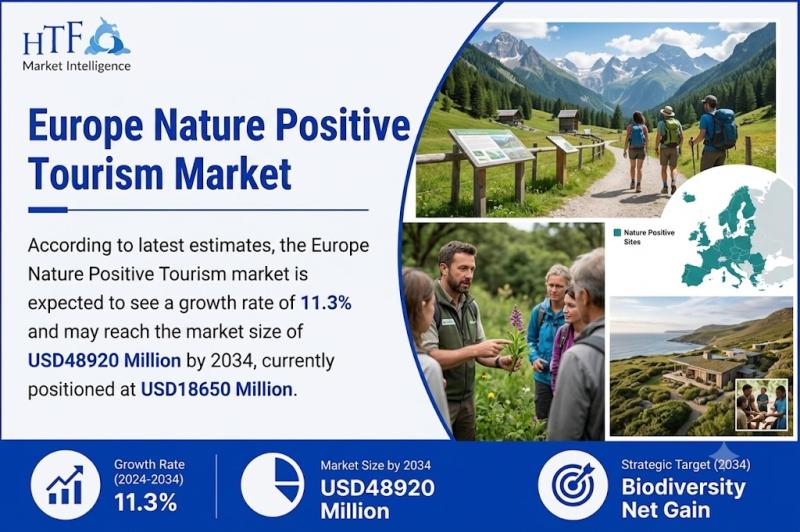
Europe Nature Positive Tourism Market: Trending Toward Regenerative Travel, Biodiversity Conservatio...
THE NEWS: The Europe Nature Positive Tourism Market is emerging as a transformative segment of the travel industry, with tourists, destination managers, hospitality providers and governments focusing on models that actively contribute to biodiversity conservation, ecosystem restoration, local community development and environmental resilience. Europe is highlighted as particularly well positioned for this transition.
DETAILS:
WHY IT MATTERS: It matters because it seeks to generate measurable ecological benefits while enhancing traveler experiences, representing a shift beyond merely reducing tourism’s environmental footprint.
FAQ
Read Original Article.
Experience the magic of the Nile aboard Kenzy Dahabeya, a luxury boutique sailing cruise that offers an unforgettable journey between...
Read moreDetails



