











Sail Through Time: Discover the Timeless Wonders of Upper Egypt Aboard Kenzy Dahabeya
Experience the magic of the Nile aboard Kenzy Dahabeya, a luxury boutique sailing cruise that offers an unforgettable journey between...
Read moreDetails
United, Delta, American, and JetBlue Airlines Affected by FAA Flight Reductions at Newark, JFK, and ...
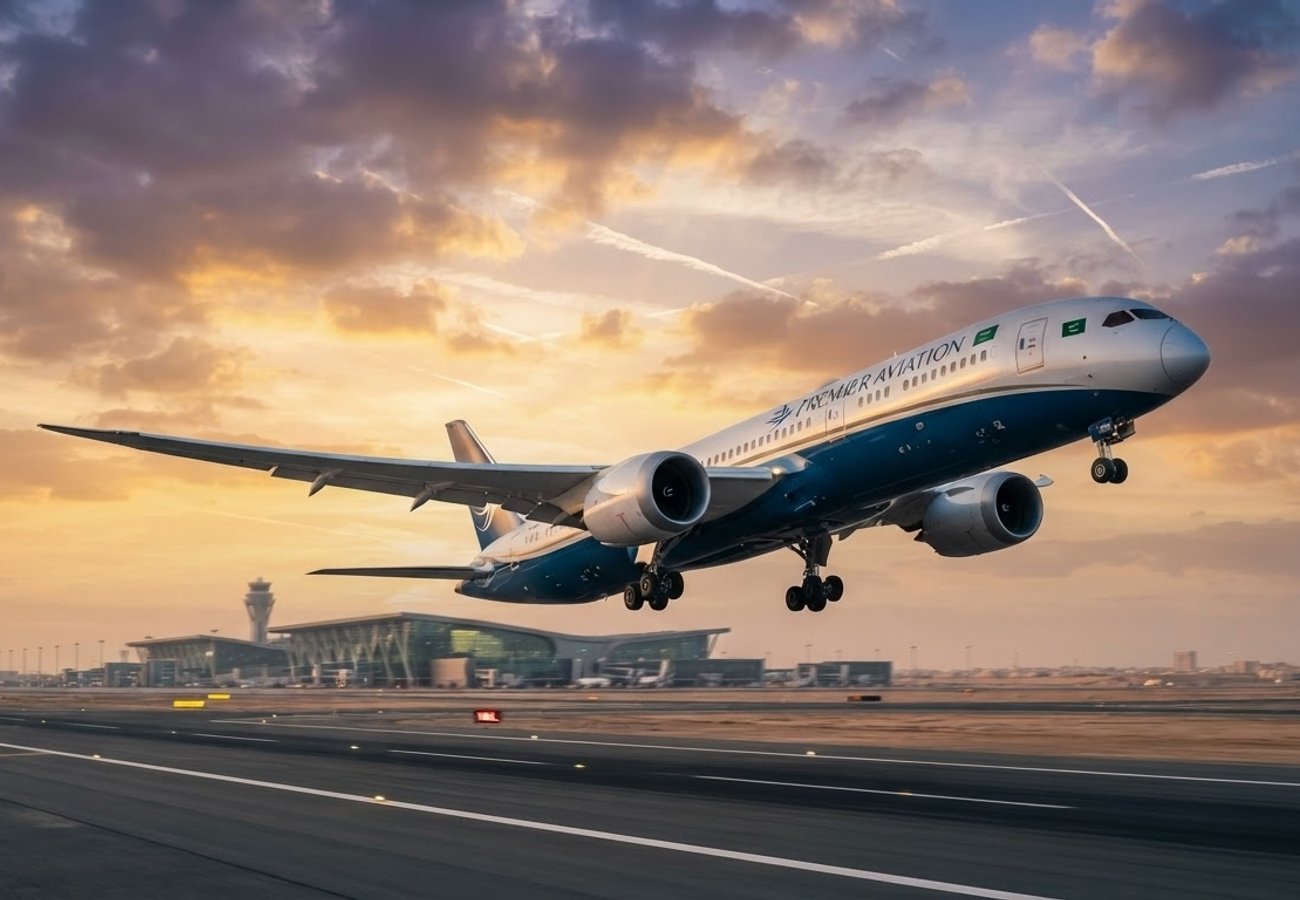
Travelers planning trips through New York City’s major airports are bracing for potential disruptions as the Federal Aviation Administration (FAA) implements flight reductions that will impact four of the nation’s leading airlines: United, Delta, American, and JetBlue. These measures, designed to address ongoing air traffic control staffing shortages and improve reliability, are set to continue through October 2026, creating a significant planning hurdle for both leisure and business travelers.
The FAA’s decision stems from persistent challenges in air traffic control staffing, which have led to increased flight delays and cancellations, particularly during peak travel periods. By proactively reducing the number of flights, the FAA aims to create more buffer time in the system, allowing air traffic controllers to manage existing operations more effectively and reduce the cascading effect of delays. This strategic move is intended to enhance overall punctuality and reduce the frequency of unforeseen disruptions that have plagued travelers in recent years.
United Airlines, with a significant presence at Newark Liberty International Airport (EWR), is expected to be heavily impacted. EWR, a major hub for United, will see a substantial reduction in its flight schedule. Similarly, Delta Air Lines and American Airlines, both with substantial operations at John F. Kennedy International Airport (JFK) and LaGuardia Airport (LGA) respectively, will need to adjust their capacity. JetBlue Airways, a dominant carrier at JFK, will also face a recalibration of its network.
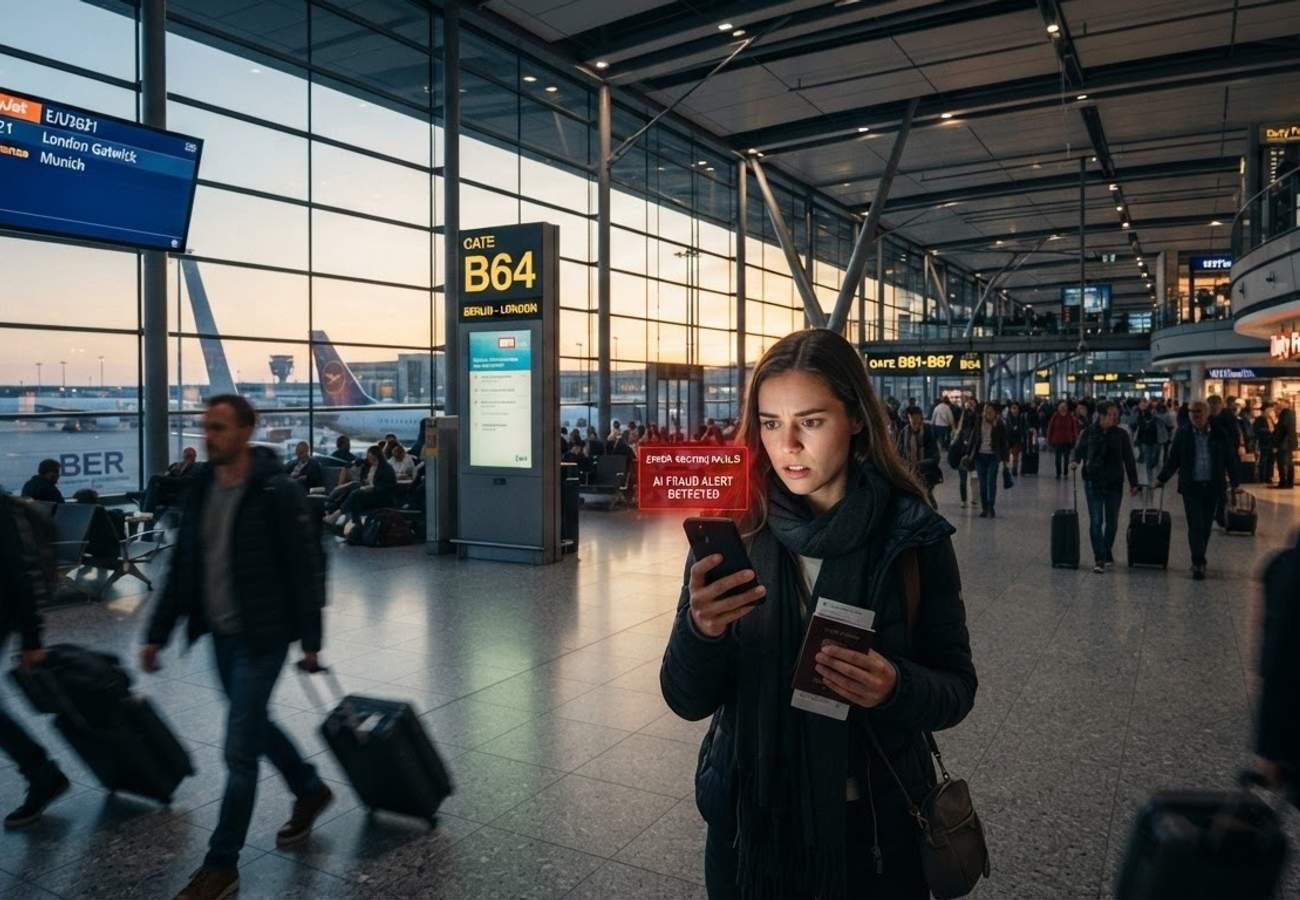
The implications for travelers are multifaceted. Passengers may experience fewer flight options, potentially leading to higher ticket prices and longer travel times as airlines reconfigure their schedules. It is crucial for travelers to stay informed about potential changes to their itineraries. Airlines are expected to communicate directly with affected passengers, offering rebooking options or refunds when necessary. However, early planning and flexibility will be key for those looking to travel to or from the New York metropolitan area during this extended period.
Experts advise travelers to book flights well in advance and to consider alternative airports in the region if possible, such as Stewart International Airport (SWF) or Tweed New Haven Airport (HNH), although these may not be feasible for all routes. Monitoring airline websites and travel advisories regularly will be essential for staying ahead of any schedule adjustments. The FAA’s proactive approach, while causing short-term inconvenience, aims to create a more stable and predictable air travel environment in the long run for these critical New York area airports.
Key Points
Read the Complete Article.
Experience the magic of the Nile aboard Kenzy Dahabeya, a luxury boutique sailing cruise that offers an unforgettable journey between...
Read moreDetails



