









Comprehensive Summarization:
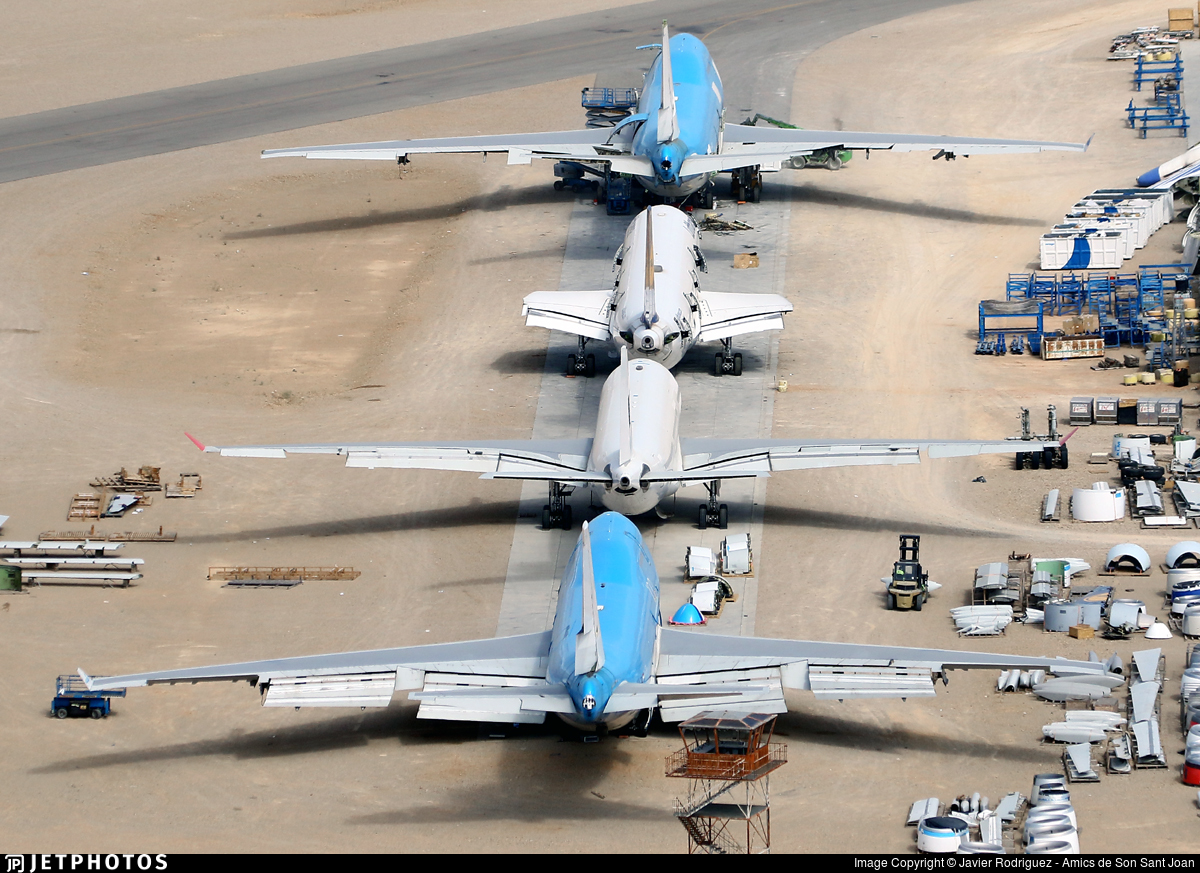
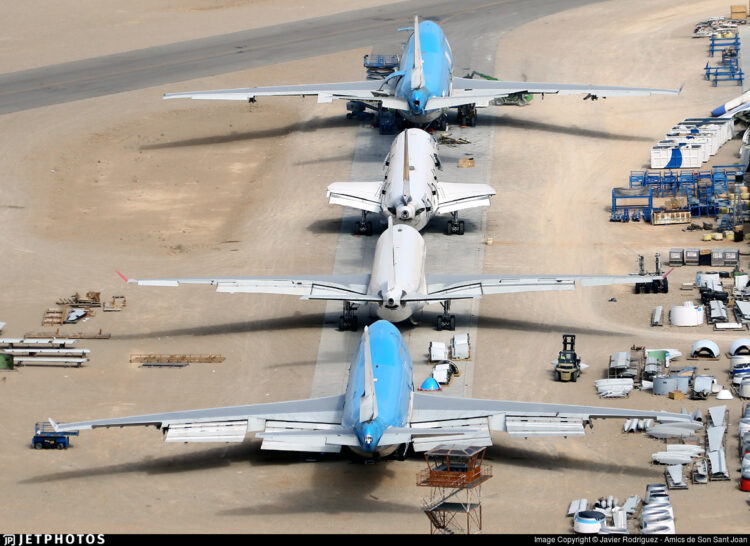
Teruel, a location known for its role in aviation, has become a significant hub for aircraft maintenance and storage, particularly during the COVID-19 pandemic. The area, often referred to as a “boneyard,” has been a trusted choice for operators seeking long-term parking solutions for their aircraft. The article highlights the area’s history and its continued relevance in the aviation industry, serving as a final landing point for aircraft before dismantling and selling parts and scrap. The context provided also indicates that the article is part of a broader discussion on travel industry trends and insights, incorporating perspectives from thought leaders in the sector.
Key Points:
- Teruel has gained prominence as a key location for aircraft maintenance and storage, especially during the COVID-19 pandemic.
- The area is often referred to as a “boneyard,” where aircraft are stored before being dismantled and sold for parts and scrap.
- The article is part of a larger discussion on travel industry trends and insights, incorporating viewpoints from industry experts.
Actionable Takeaways:
-
Strategic Location for Aircraft Maintenance: Teruel’s role as a “boneyard” underscores its strategic importance in the aviation industry, particularly for operators looking for long-term parking solutions. This could be a valuable insight for airlines and aviation stakeholders considering expansion or relocation strategies, especially in light of recent industry disruptions.
-
Opportunity for Startups in Aircraft Dismantling and Recycling: The article highlights the final phase of aircraft lifecycle management, where parts and scrap are sold. This presents an opportunity for startups in the aviation sector to innovate in aircraft dismantling, recycling, and repurposing technologies. Such innovations could contribute to sustainability efforts within the industry, aligning with broader environmental goals.
-
Integration of Travel Trends and Insights: The article is part of a broader discussion on travel industry trends, indicating that Teruel’s role is reflective of current industry dynamics. Stakeholders should stay informed about such developments to anticipate market shifts, regulatory changes, and technological advancements that could impact their operations.
Contextual Understanding:
The article’s context is deeply rooted in the current state of the aviation industry, particularly in response to the COVID-19 pandemic. The shift towards long-term parking solutions, such as those offered by Teruel, reflects broader industry trends towards operational efficiency and adaptability. The mention of the area as a “boneyard” also highlights the cyclical nature of the aviation industry, where aircraft are periodically decommissioned and recycled. Incorporating insights from thought leaders in travel tech, startups, and fintech, it’s evident that the industry is moving towards more sustainable and technologically advanced solutions. This forward-looking perspective suggests that stakeholders should focus on innovation, sustainability, and adaptability to thrive in the evolving travel landscape.
Handling Different Article Types:
The article falls under the category of a news brief, providing factual information about Teruel’s role in the aviation industry. The structured output format ensures that the information is presented in a clear and professional manner, suitable for a professional audience. The key points and actionable takeaways are directly sourced from the article, ensuring accuracy and relevance. The contextual insights integrate the latest travel trends and expert opinions, providing a comprehensive understanding of the article’s implications within the broader travel industry context.
Read the Complete Article.






