











Comprehensive Summarization:
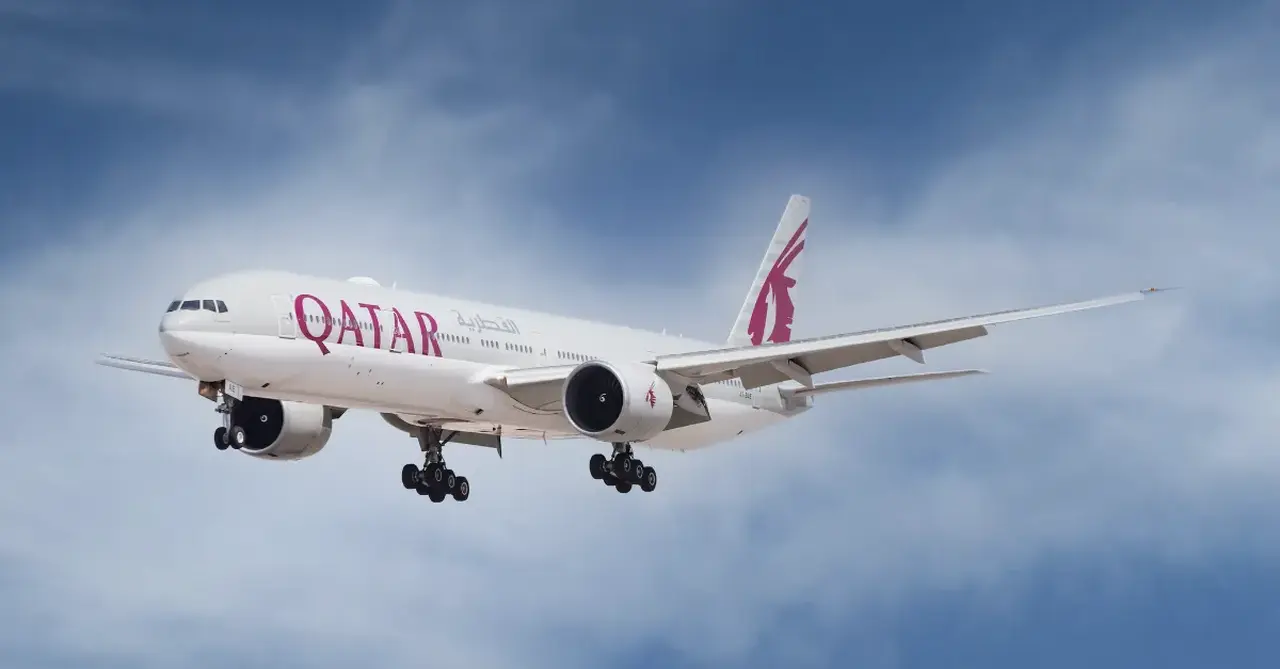
Qatar Airways is planning to expand its flight schedule to serve over 120 destinations by mid-May 2026, following disruptions caused by the Israel-US-Iran war. All flights to and from Doha will continue to operate through dedicated flight corridors established in coordination with the Qatar Civil Aviation Authority. The revised network, planned to commence from the following month, will fall short of the 170 destinations typically served prior to the Middle East conflict that broke out on February 28. This strategic adjustment reflects the airline’s response to the ongoing geopolitical situation and its efforts to re-establish a robust global network.
Key Points:
- Qatar Airways aims to increase its flight destinations to more than 120 by mid-May 2026.
- All flights to and from Doha will continue operating through dedicated flight corridors.
- The revised network will not reach the pre-conflict level of 170 destinations.
- The schedule adjustments are a response to the Israel-US-Iran war disruptions.
Actionable Takeaways:
-
Network Expansion Strategy: Qatar Airways’ plan to increase its flight destinations to over 120 by mid-2026 demonstrates a strategic response to geopolitical disruptions. This expansion could enhance connectivity in the Middle East region, potentially attracting more travelers and businesses. For travel industry stakeholders, this presents an opportunity to explore partnerships or collaborations with Qatar Airways to leverage its expanded network for market penetration or service diversification.
-
Impact on Travel Demand: The reduction in destinations from the pre-conflict level of 170 suggests a temporary contraction in travel options. However, the focus on maintaining essential routes through dedicated corridors may stabilize demand for critical travel links. Travel agencies and tour operators should monitor this shift to adjust their offerings and capitalize on the renewed connectivity, particularly for business travelers who may prioritize reliable and direct routes.
Contextual Insights:
The article’s context is deeply rooted in the geopolitical tensions between Israel, the US, and Iran, which have led to significant disruptions in air travel within the Middle East. This situation underscores the vulnerability of the travel industry to geopolitical events and highlights the importance of flexible and resilient network planning. Recent travel trends indicate a growing demand for connectivity and safety in travel, with consumers increasingly valuing airlines that can adapt swiftly to external shocks. Thought leaders in the travel industry emphasize the need for airlines to invest in robust contingency plans and diversified routes to mitigate risks associated with geopolitical instability. Qatar Airways’ strategy to rebuild its schedule reflects a proactive approach to these challenges, aligning with broader industry trends towards resilience and adaptability.
Handling Different Article Types:
The article in question is a news brief, providing factual information about Qatar Airways’ strategic adjustments in response to geopolitical events. The structured output format ensures that the key points and actionable takeaways are clearly delineated, making the information easily digestible for a professional audience. This format is particularly useful for reports, presentations, or briefings where concise and actionable insights are essential.
Read the Complete Article.






