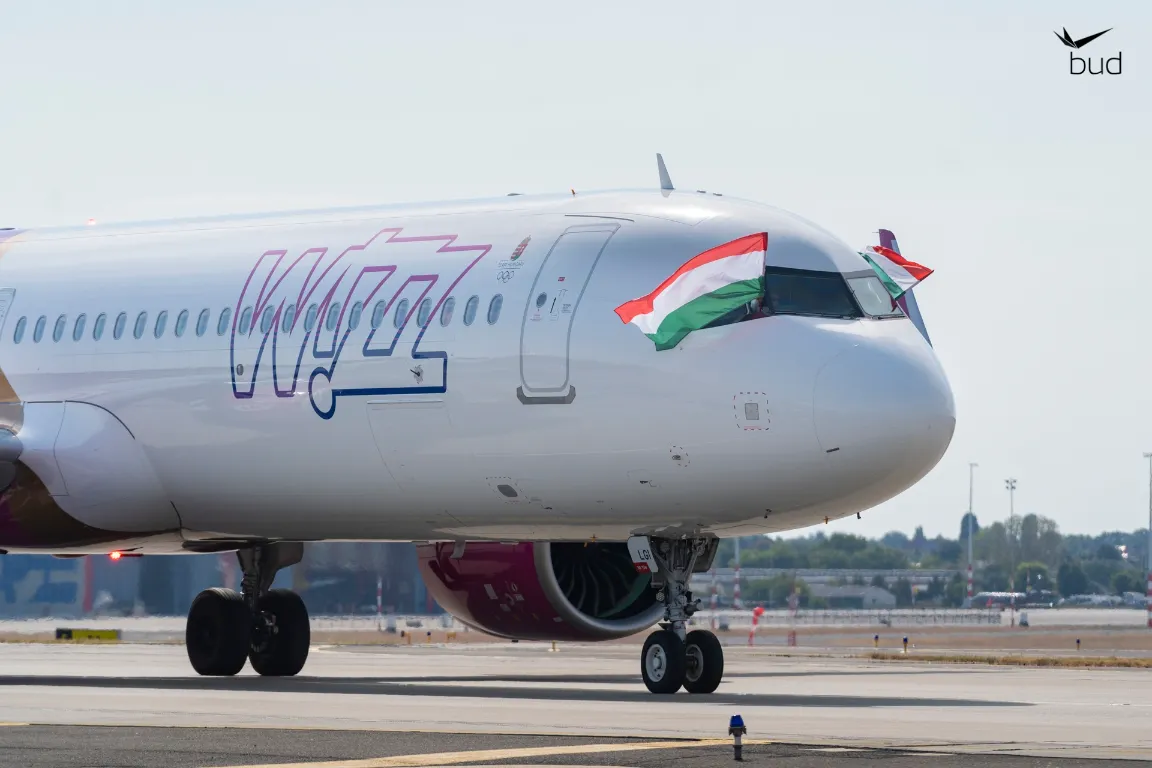
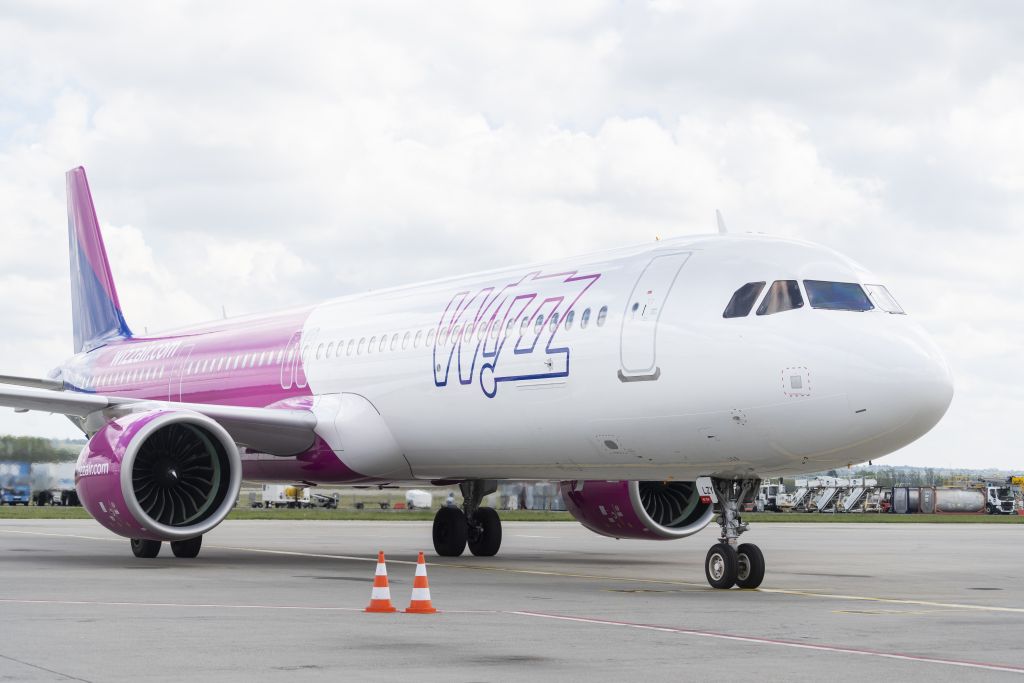
Wizz Air Holdings Non-Executive Deputy Chairman acquires 27% More Stock
THE NEWS: Non‑Executive Deputy Chairman Stephen Johnson bought UK£159,000 of Wizz Air Holdings Plc shares at UK£10.58 each, raising his...
Read moreDetails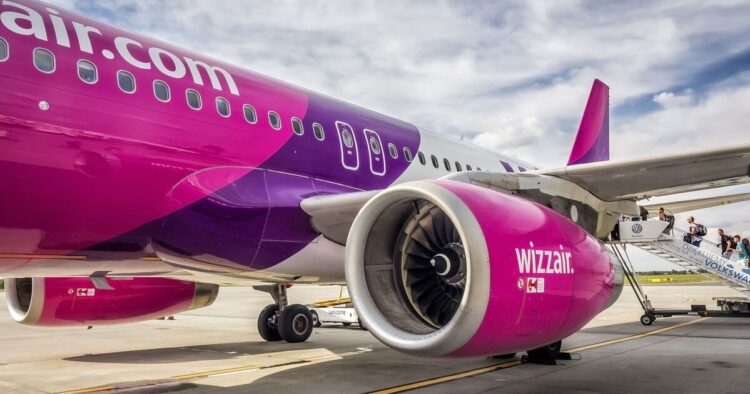
Wizz Air issues UK flights update to customers with bookings after rule change | UK | News
Comprehensive Summarization:
The article discusses a significant update from budget airline Wizz Air following a recent government rule change in the UK. This rule allows airlines to condense multiple flights to the same destination into a single service. The primary implication of this change is the potential for UK holidaymakers to experience flight cancellations this summer. Passengers who originally booked multiple flights to the same destination may be moved to a similar service to reduce fuel wastage from planes that would otherwise be unused. The article also touches on broader travel trends and insights from industry thought leaders, highlighting the ongoing evolution of travel technology and its impact on the sector.
Key Points:
Actionable Takeaways:
Impact on Travel Planning: Passengers should review their bookings with Wizz Air and other airlines that may implement similar policies. This could necessitate flexibility in travel plans and potential rebooking costs. Understanding these changes is crucial for effective travel planning and budgeting.
Innovation in Travel Tech: The government’s rule change reflects a broader trend in the travel industry towards optimizing resource usage through technological innovations. Airlines are increasingly adopting algorithms and data analytics to streamline operations and reduce costs, which can lead to more efficient travel experiences for consumers.
Market Adaptation: This development underscores the need for airlines and travel agencies to adapt quickly to regulatory changes. Companies that can effectively integrate such policies into their operations will likely gain a competitive edge, while those slow to adapt may face customer dissatisfaction and operational inefficiencies.
Contextual Insights:
The article’s context is deeply rooted in the ongoing evolution of the travel industry, particularly in how regulatory changes can significantly impact operational strategies and customer experiences. The UK government’s decision to allow airlines to condense flights is a strategic move aimed at reducing fuel consumption and operational costs. This aligns with a larger industry trend towards sustainability and efficiency, where technological advancements play a crucial role. Thought leaders in travel tech have been advocating for such innovations, emphasizing the importance of balancing environmental concerns with economic viability. As such, the article not only provides a snapshot of current industry practices but also serves as a forward-looking indicator of how similar regulatory changes could shape future travel policies and consumer expectations. The emphasis on adaptability and innovation in response to regulatory shifts is a recurring theme in current travel industry discussions, highlighting the sector’s dynamic nature.
Read the Complete Article.
THE NEWS: Non‑Executive Deputy Chairman Stephen Johnson bought UK£159,000 of Wizz Air Holdings Plc shares at UK£10.58 each, raising his...
Read moreDetailsExperience the magic of the Nile aboard Kenzy Dahabeya, a luxury boutique sailing cruise that offers an unforgettable journey between...
Read moreDetails