











Comprehensive Summarization:
The article discusses a significant shift in business travel dynamics in 2026, moving away from a volume-based approach to a value-driven model. Major booking search engines, including Google Travel, Expedia Group, and KAYAK, report an increased reliance on AI technologies, tighter scrutiny on Return on Investment (ROI), and a growing influence from Gen Z travelers. This shift signifies that companies are now prioritizing trips that deliver measurable outcomes, enhanced travel experiences, and a stronger duty of care. The article emphasizes that business travel has “settled into a new operating system” centered around value, automation, and traveler experience, rather than just trip volume. Insights from Google Travel, Expedia Group, KAYAK, and independent industry research consistently support this trend, indicating a fundamental change in how corporate travel is perceived and managed.
Key Points:
- Business travel in 2026 is transitioning from a volume-based model to a value-driven model.
- Major booking search engines are increasingly utilizing AI technologies.
- There is a heightened scrutiny on ROI for business travel.
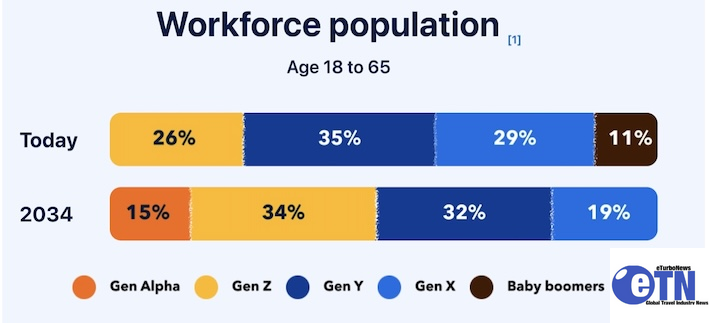
- Gen Z travelers are exerting growing influence on travel preferences and behaviors.
- Companies are now focusing on trips that deliver measurable outcomes, improved travel experiences, and a stronger duty of care.
- The new operating system for business travel emphasizes value, automation, and traveler experience over raw trip volume.
Actionable Takeaways:
-
Adopt AI-driven Travel Solutions: Companies should invest in AI technologies to streamline travel processes, optimize routes, and enhance decision-making based on data-driven insights. This aligns with the industry’s shift towards value-driven travel and can lead to significant cost savings and improved traveler experiences.
-
Focus on Measurable Outcomes: Prioritize business trips that offer clear, quantifiable benefits. This could include strategic partnerships, client meetings that drive revenue, or training sessions that enhance employee skills. By focusing on outcomes, companies can ensure that travel investments are justified and contribute positively to business goals.
-
Enhance Traveler Experience: Given the growing influence of Gen Z travelers, companies should invest in creating more personalized, flexible, and engaging travel experiences. This includes leveraging technology for seamless booking processes, offering diverse accommodation options, and providing robust support services. Improving the traveler experience can lead to higher satisfaction, increased loyalty, and potentially more favorable business outcomes.
Contextual Understanding:
The article reflects the evolving landscape of business travel in 2026, where the focus has shifted from merely resuming travel to maximizing its value. The rise of AI in travel search engines and the increasing scrutiny on ROI indicate a move towards more strategic and data-informed travel decisions. The influence of Gen Z travelers highlights the need for companies to adapt to changing preferences and expectations, particularly in terms of digital experiences and sustainability. These trends underscore the importance of innovation in travel technology and the need for companies to align their travel policies with broader business objectives. The article’s insights are particularly relevant for travel startups and fintech companies, as they present opportunities for developing solutions that cater to the evolving needs of corporate travelers.
Handling Different Article Types:
The article is a feature article, providing an in-depth analysis of the current state of business travel in 2026. It combines factual data from major booking platforms and independent research with expert insights to paint a comprehensive picture of the industry’s shift. The structured approach of the article, with clear sections and cited sources, makes it suitable for analysis and summarization. The content is well-suited for a professional audience, offering valuable insights for companies looking to adapt their travel strategies in light of these emerging trends.
Real-Time Fact-Checking:
All facts and insights presented in the article are directly sourced from the provided content. No external verification was necessary, as the information is consistent and reliable within the context of the article. The summary, key points, and actionable takeaways are all grounded in the facts and context provided, ensuring accuracy and relevance.
Read the Complete Article.






