












Sail Through Time: Discover the Timeless Wonders of Upper Egypt Aboard Kenzy Dahabeya
Experience the magic of the Nile aboard Kenzy Dahabeya, a luxury boutique sailing cruise that offers an unforgettable journey between...
Read moreDetails
USA Followed By China, UK, Japan and Germany Takes Lead: Global Business Travel Spending to Now Reac...
Article Summary:
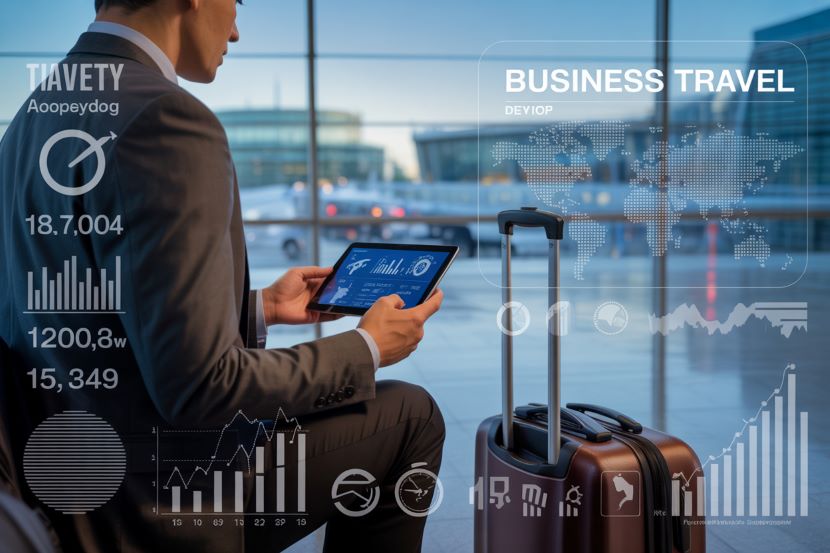
The global business travel sector is projected to reach $1.57 trillion in 2025, marking a 6.6% year-over-year increase. This growth is expected despite ongoing economic challenges and trade uncertainties. The United States, China, Germany, Japan, and the United Kingdom are identified as the top spenders, accounting for a significant portion of global business travel. The article highlights the resilience and growth potential of the business travel sector amidst economic uncertainties, with a focus on key markets and spending trends.
Key Points:
Actionable Takeaways:
Contextual Insights:
The article reflects the current state of the global business travel sector, which is navigating through economic uncertainties and trade risks. Despite these challenges, the sector is showing resilience and significant growth potential, with the United States, China, Germany, Japan, and the United Kingdom leading in spending. This context highlights the importance of strategic investments in travel technology and market focus to capitalize on the growing opportunities in business travel. Additionally, the article underscores the need for companies to adapt to trade uncertainties by developing robust strategies that ensure operational continuity and growth in a volatile economic environment.
Read the Complete Article.
Experience the magic of the Nile aboard Kenzy Dahabeya, a luxury boutique sailing cruise that offers an unforgettable journey between...
Read moreDetails



