











Sail Through Time: Discover the Timeless Wonders of Upper Egypt Aboard Kenzy Dahabeya
Experience the magic of the Nile aboard Kenzy Dahabeya, a luxury boutique sailing cruise that offers an unforgettable journey between...
Read moreDetails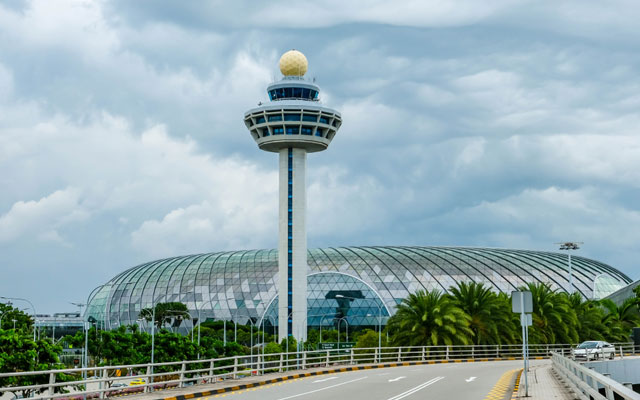
Passengers on flights departing Singapore will pay a new levy from October 2026 to support the nation’s goal of achieving net zero aviation emissions by 2050
Article Summary:
Singapore is set to introduce a Sustainable Aviation Fuel (SAF) Levy for all flights departing from the country starting October 1, 2026. The levy will apply to tickets and services sold from April 1, 2026, and will be based on flight distance, with rates varying by cabin class. The initiative aims to support Singapore’s goal of achieving a one percent SAF blend by 2026 and three to five percent by 2030, as part of broader efforts to reach net zero aviation emissions by 2050.
Key Points:
Actionable Takeaways:
Contextual Insights:
The introduction of the SAF Levy by Singapore aligns with global trends towards decarbonizing the aviation sector. As countries and industries worldwide strive to meet net-zero emissions targets, innovative financial mechanisms like the levy are becoming essential tools. This move reflects a broader industry shift towards sustainability, where regulatory measures are increasingly being used to drive environmental goals. For travel startups and fintech companies, this presents an opportunity to develop solutions that support the transition to sustainable aviation, such as financing models for SAF adoption or platforms that help airlines manage their carbon footprint. The levy also underscores the importance of consumer awareness and pricing transparency in shaping travel choices, suggesting that future innovations in travel tech could focus on providing tools for consumers to make informed, sustainable travel decisions.
Read the Complete Article.
Experience the magic of the Nile aboard Kenzy Dahabeya, a luxury boutique sailing cruise that offers an unforgettable journey between...
Read moreDetails



