












Comprehensive Summarization:
The article discusses a significant shift in the travel industry, as highlighted by the “Travel Dreams 2026” study conducted by Amadeus. This study, based on a sample of 6,000 international travelers, reveals a growing trend where travelers are prioritizing mental restoration and self-improvement over traditional leisure travel. Key findings include:
- 41% of travelers aim to return from trips with a calmer nervous system.
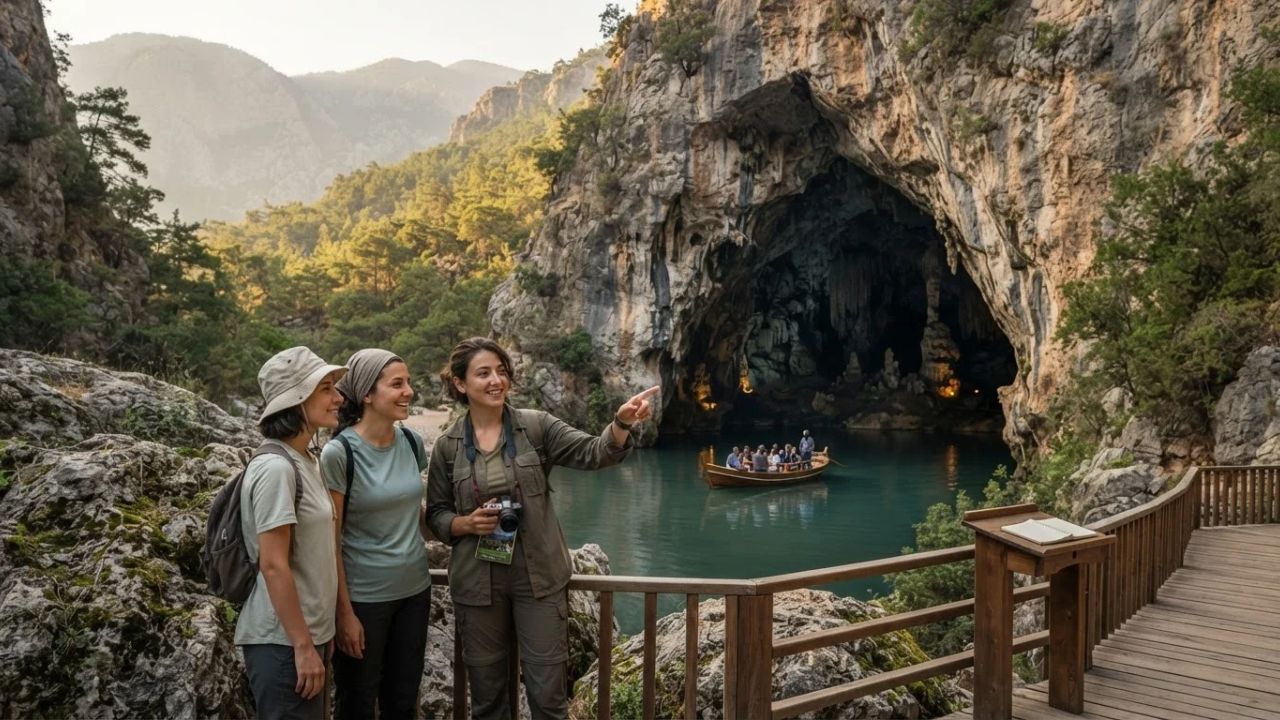
- One-third of travelers consider destinations that inspire digital disconnection as ideal, indicating a preference for environments that allow them to disconnect from the real world.
These insights suggest a broader transformation in the travel experience, moving beyond mere leisure to encompass mental well-being and personal growth. The implications for the hospitality industry are profound, with mental well-being now integrated into every aspect of the travel experience, from comfort to digital disconnection.
Key Points:
- The “Travel Dreams 2026” study by Amadeus indicates a shift in traveler priorities, with a focus on mental restoration and self-improvement.
- 41% of travelers seek to return from trips with a calmer nervous system, highlighting the importance of mental well-being in travel.
- One-third of travelers prefer destinations that inspire digital disconnection, reflecting a desire to escape the real world and rejuvenate mentally.
- The hospitality industry is adapting to this trend by integrating mental well-being into the travel experience, moving beyond traditional spa services.
Actionable Takeaways:
-
Focus on Mental Well-being in Hospitality: Travel businesses should prioritize mental well-being by offering services and environments that promote relaxation, stress reduction, and personal growth. This could include wellness retreats, digital detox zones, and mindfulness programs, directly aligning with the growing traveler demand for mental restoration.
-
Integration of Digital Disconnection: Given that one-third of travelers seek destinations that allow them to disconnect digitally, travel providers should consider creating environments that encourage digital disconnection. This could involve offering technology-free zones, promoting offline activities, and designing spaces that foster real-world experiences over digital engagement.
-
Innovate with Travel Tech: The trend towards mental restoration and digital disconnection presents an opportunity for travel tech startups to innovate. Developing apps or platforms that facilitate digital detox, mindfulness exercises, or virtual reality experiences for relaxation could meet the evolving needs of modern travelers and capture a new market segment.
Contextual Understanding:
The article reflects current industry trends where the focus is shifting from leisure travel to experiences that promote mental well-being and personal growth. This shift is supported by recent market conditions where travelers are increasingly seeking holistic travel experiences that contribute to their overall mental health and self-confidence. Technological advancements in travel tech are also playing a crucial role, enabling the creation of environments that cater to these new preferences. Thought leaders in the industry emphasize the importance of mental well-being in travel, aligning with the findings of the “Travel Dreams 2026” study. This context underscores the need for the travel industry to adapt and innovate to meet the changing expectations of travelers, ensuring they offer experiences that not only provide leisure but also contribute to mental restoration and self-improvement.
Read the Complete Article.






