



Sail Through Time: Discover the Timeless Wonders of Upper Egypt Aboard Kenzy Dahabeya
Experience the magic of the Nile aboard Kenzy Dahabeya, a luxury boutique sailing cruise that offers an unforgettable journey between...
Read moreDetails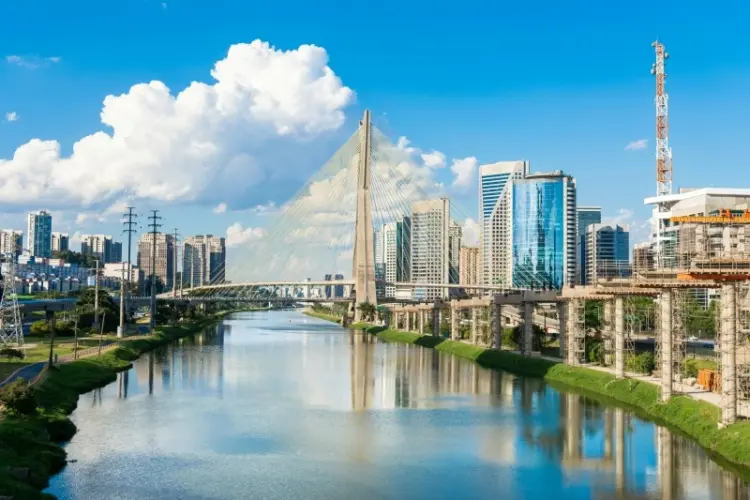
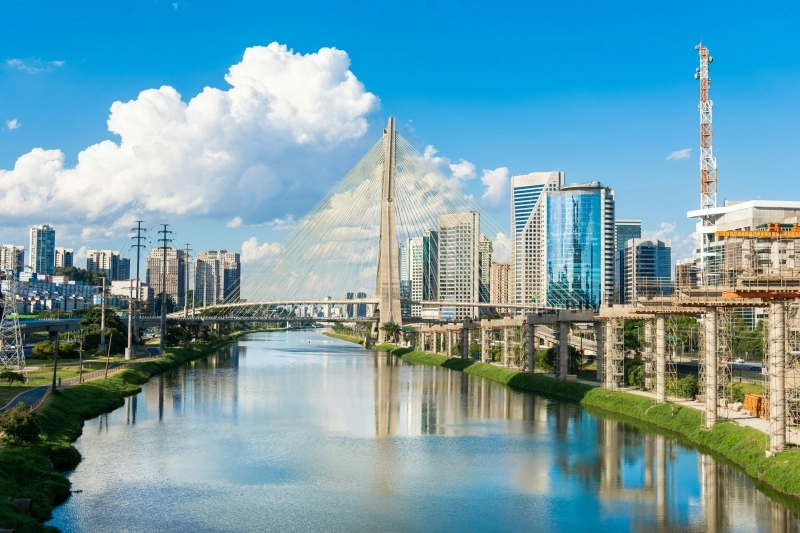
São Paulo Hotels Hit Record Highs Amid Formula 1 Grand Prix Surge
Article Summary:
In November 2025, São Paulo’s hotel industry witnessed unprecedented growth, driven by the Brazilian Grand Prix. This surge led to record-breaking metrics in average daily rate (ADR) and revenue per available room (RevPAR). The city’s hotel occupancy reached its highest level since 2011, highlighting the significant impact of major events on local hospitality.
Key Points:
Actionable Takeaways:
Contextual Insights:
The growth of São Paulo’s hotel industry, particularly during the Brazilian Grand Prix, reflects a broader trend in the travel industry where major events act as catalysts for increased tourism and hotel occupancy. This phenomenon is not unique to São Paulo; similar patterns have been observed in other global cities hosting significant sporting or cultural events. The insights from this article align with current industry trends, emphasizing the role of technology in enhancing guest experiences and operational efficiency. For instance, the use of data analytics to predict demand and optimize pricing strategies is becoming increasingly prevalent. Furthermore, the article highlights the potential for hotels to innovate by offering event-specific services, a trend that is gaining traction among travel startups and fintech companies looking to integrate travel experiences with financial services. This forward-looking perspective suggests that hotels that adapt quickly to these trends and leverage technology will be well-positioned to capitalize on future event-driven growth opportunities.
Read the Complete Article.
Experience the magic of the Nile aboard Kenzy Dahabeya, a luxury boutique sailing cruise that offers an unforgettable journey between...
Read moreDetails



