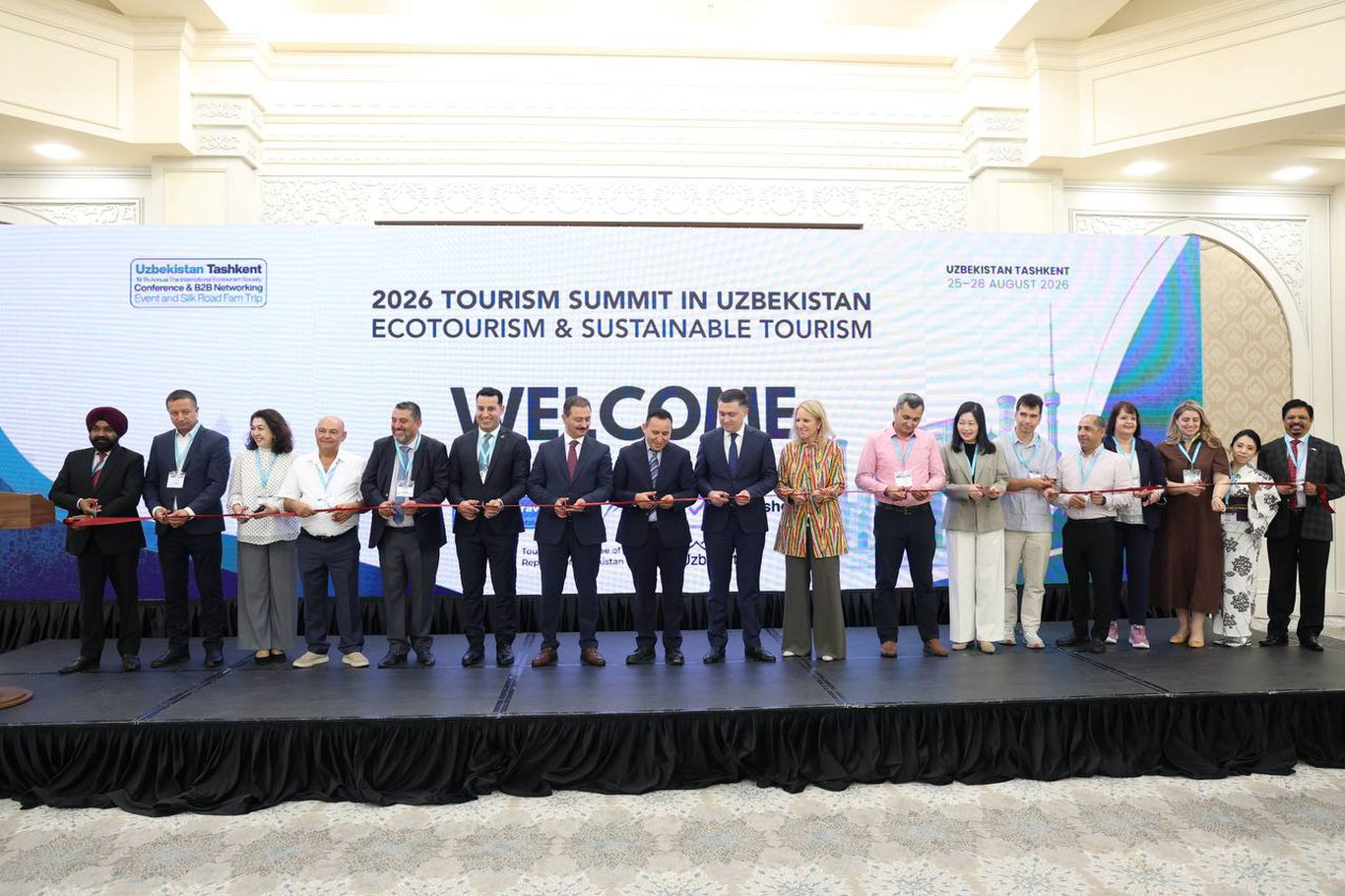
Ecotourism summit hosts representatives from over 20 nations in Tashkent
THE NEWS: On August 26, the Ecotourism and Sustainable Tourism Summit was held in Tashkent, Uzbekistan for the first time, drawing nearly 100...
Read moreDetails
Cales Coves is a hidden gem on the southern coast of Menorca. Credit: easyJet
Comprehensive Summarization:
This year’s Impact Report underscores the company’s progress and introduces a quantification of the broader impact of their holidays, achieved through a partnership with Oxford Economics. The report highlights significant strides in addressing food waste challenges within the hospitality sector. Hotels are increasingly partnering with specialist organizations like Winnow to tackle food waste, recognizing its dual impact as both an environmental concern and a financial loss. easyJet, a key player in this initiative, has partnered with Winnow to actively reduce food waste across hotels. The company has also expanded sustainable transport options, with over 11,000 customers utilizing electric transfers, covering an estimated 500,000 km and saving more than 86 tonnes of CO₂e. This initiative, which began in Rhodes, Greece, is set to expand to Antalya, Turkey. The article underscores the company’s commitment to sustainability and innovation in the travel industry, reflecting broader trends in travel tech and eco-friendly practices.
Key Points:
Actionable Takeaways:
Implement Food Waste Reduction Strategies: Hotels can partner with technology-driven solutions like Winnow to monitor and reduce food waste, addressing both environmental concerns and financial losses. This aligns with broader industry trends towards sustainability and operational efficiency.
Expand Sustainable Transport Options: The success of electric transfers in reducing carbon emissions demonstrates the potential for sustainable transport solutions in the travel industry. Expanding such initiatives can enhance a company’s eco-friendly credentials and appeal to environmentally conscious travelers.
Leverage Data for Impact Measurement: By partnering with organizations like Oxford Economics, companies can quantify their broader impact, providing valuable insights for stakeholders and investors. This data-driven approach can inform strategic decisions and enhance transparency in sustainability efforts.
Contextual Insights:
The article reflects current industry trends towards sustainability and technological innovation in the travel sector. The focus on food waste reduction and sustainable transport options aligns with global efforts to combat climate change and reduce operational costs. The partnership with Oxford Economics to quantify the wider contribution of holidays underscores the growing importance of data-driven sustainability reporting. As the travel industry continues to evolve, embracing such innovations will be crucial for maintaining competitive advantage and meeting consumer expectations for eco-friendly travel experiences. The expansion of electric transfers to new destinations signals a broader industry shift towards greener travel solutions, potentially setting a precedent for other travel companies to follow.
Read the Complete Article.
THE NEWS: On August 26, the Ecotourism and Sustainable Tourism Summit was held in Tashkent, Uzbekistan for the first time, drawing nearly 100...
Read moreDetails
Experience the magic of the Nile aboard Kenzy Dahabeya, a luxury boutique sailing cruise that offers an unforgettable journey between...
Read moreDetails