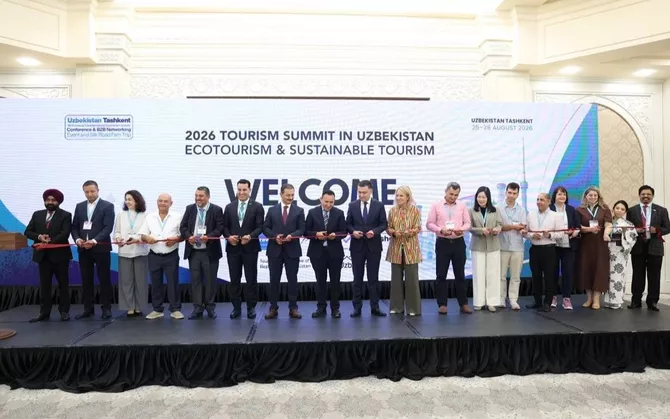
Uzbekistan Hosts First International Ecotourism Summit in History
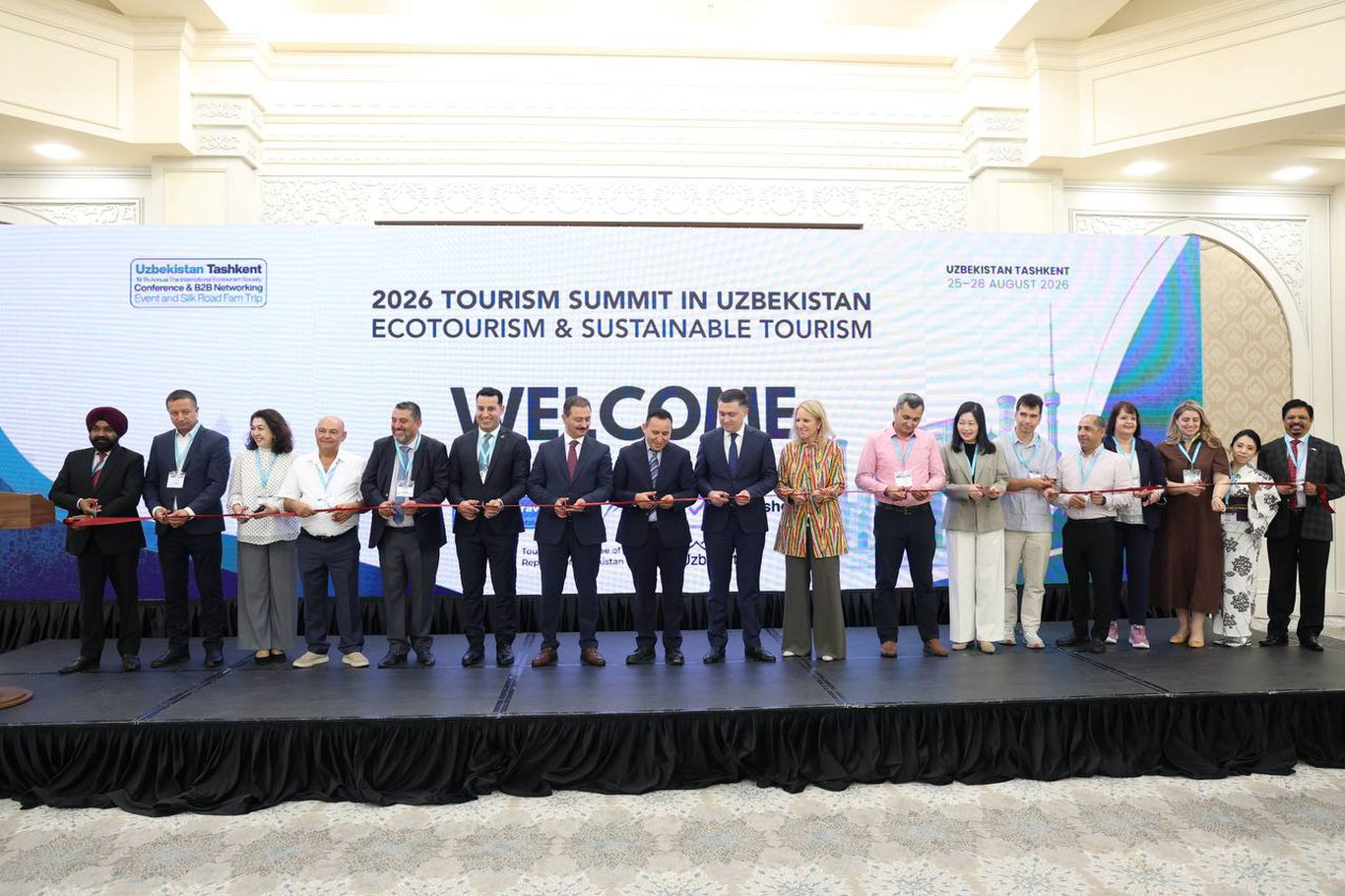
THE NEWS: Uzbekistan hosted its first international summit on ecotourism and sustainable tourism, organized by the Uzbekistan Tourism Committee, the...
Read moreDetailsEvery alert that matters — when it happens.
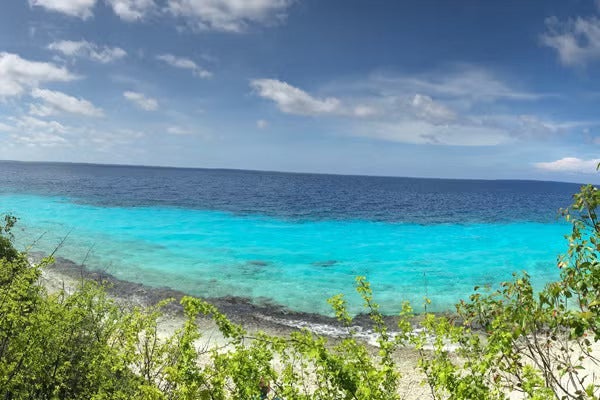
Sustainable Tourism in Bonaire: Balancing Growth and Conservation
Comprehensive Summarization:
Bonaire, a Caribbean island known for its pristine blue waters and commitment to environmental protection, is highlighted in the article as a “Blue Destination.” With a population of approximately 20,000 people on 112 square miles, Bonaire has established a protected marine park since the 1970s and has implemented desalination processes to ensure a sustainable water supply. The island’s dedication to conservation is deeply integrated into its culture and daily life, making it a model for other Caribbean destinations. Commissioner Elvis Tjin emphasizes Bonaire’s role as a leader in marine conservation and sustainable tourism.
Key Points:
Actionable Takeaways:
Invest in Sustainable Tourism Infrastructure: Bonaire’s success in marine conservation and sustainable water supply can serve as a blueprint for other Caribbean destinations looking to develop eco-friendly tourism infrastructure. This investment can enhance the appeal of these destinations to environmentally conscious travelers.
Leverage Protected Areas for Tourism: Bonaire’s model of integrating protected marine parks into its tourism strategy demonstrates the potential for protected areas to attract eco-tourism, providing both environmental benefits and economic opportunities. Travel companies can explore similar strategies to promote sustainable tourism.
Adopt Innovative Water Management Solutions: Bonaire’s desalination process showcases the importance of innovative water management in maintaining sustainable tourism. Travel destinations can explore similar technologies to ensure a reliable water supply, especially in regions facing water scarcity.
Contextual Insights:
Bonaire’s approach to sustainable tourism and environmental protection reflects a broader trend in the travel industry towards eco-friendly practices. As travelers become more environmentally conscious, destinations that prioritize sustainability are likely to see increased interest and patronage. The article’s emphasis on Bonaire’s commitment to conservation aligns with current industry trends, where destinations are increasingly adopting practices that minimize environmental impact. Furthermore, Bonaire’s success highlights the potential for travel startups and fintech innovations to support sustainable tourism initiatives, such as eco-friendly accommodations and carbon offset programs. By adopting these practices, travel companies can not only enhance their brand image but also contribute to the long-term preservation of natural resources.
Read the Complete Article.
THE NEWS: Uzbekistan hosted its first international summit on ecotourism and sustainable tourism, organized by the Uzbekistan Tourism Committee, the...
Read moreDetails
Experience the magic of the Nile aboard Kenzy Dahabeya, a luxury boutique sailing cruise that offers an unforgettable journey between...
Read moreDetails