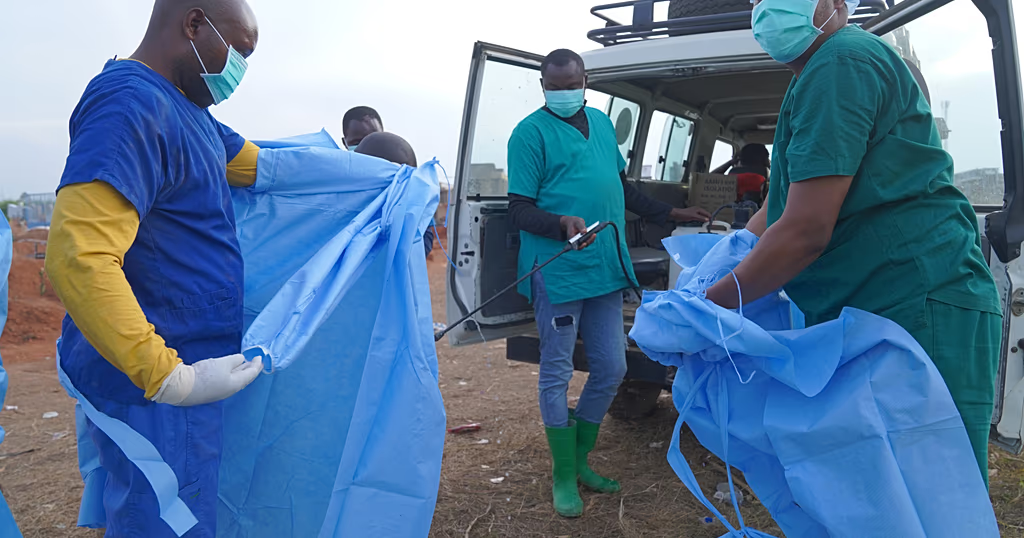
UN chief urges $1.1 billion to fight Ebola outbreak
THE NEWS: United Nations Secretary‑General António Guterres said an additional $1.1 billion is urgently needed to fight the Ebola outbreak, as the...
Read moreDetailsEvery alert that matters — when it happens.
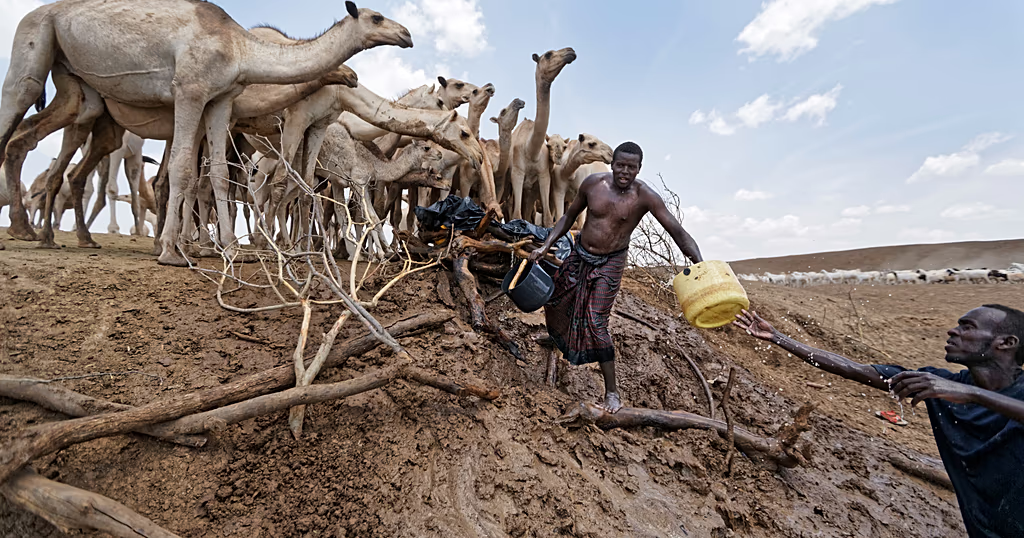
Drought in Kenya spreads beyond arid north
Comprehensive Summarization:
The article discusses the severe impact of one of the driest rainy seasons on record in Kenya during the end of 2025. This drought is spreading beyond the usual northern regions, affecting areas that are typically less prone to droughts. The World Health Organization (WHO) reported that the short rains between October and December delivered only “30 to 60 percent of the long-term average in most areas,” leading to the driest season since 1981 in parts of eastern Kenya. This drought situation has significant implications for the travel industry, particularly in regions that are now experiencing unprecedented water scarcity and related challenges.
Key Points:
Actionable Takeaways:
Impact on Travel Destinations: The severe drought in Kenya, particularly in eastern regions, poses a significant challenge for travel destinations in the area. Travel agencies and tour operators should reassess itineraries and consider alternative destinations or adjust travel packages to mitigate the impact of water scarcity on tourist activities.
Water Management Strategies: Travel companies operating in drought-affected regions should invest in water management strategies, such as sourcing water from sustainable sources or implementing water-saving technologies. This proactive approach can help maintain operations and ensure the safety and comfort of travelers.
Collaboration with Local Authorities: Travel businesses should collaborate closely with local authorities and environmental agencies to monitor the drought situation and adhere to any advisories or restrictions. This collaboration can help in planning safe and responsible travel experiences while supporting local efforts to manage water resources effectively.
Contextual Insights:
The article highlights a critical environmental challenge that has direct implications for the travel industry in Kenya. The prolonged drought, coupled with rainfall significantly below average, underscores the growing vulnerability of travel destinations to climate-related disruptions. This situation is emblematic of broader trends in the travel sector, where climate change is increasingly influencing destination viability and travel planning. As such, the industry must adapt by integrating climate resilience into its strategies, ensuring that travel experiences remain safe, sustainable, and appealing despite environmental challenges. Thought leaders in the travel sector are increasingly emphasizing the importance of sustainable tourism practices and climate adaptation measures, which are crucial for the long-term viability of travel businesses in regions facing such environmental stresses.
Read the Complete Article.
THE NEWS: United Nations Secretary‑General António Guterres said an additional $1.1 billion is urgently needed to fight the Ebola outbreak, as the...
Read moreDetails

Experience the magic of the Nile aboard Kenzy Dahabeya, a luxury boutique sailing cruise that offers an unforgettable journey between...
Read moreDetails